


Epidemiology and Clinical Impact of Vancomycin-Resistant Enterococcus at King Abdulaziz University Hospital (2015-2022): Prevalence, Risk Factors, and Mortality
- PMID: 40226799
- PMCID: PMC11992994
- DOI: 10.2147/IJGM.S508262
Epidemiology and Clinical Impact of Vancomycin-Resistant Enterococcus at King Abdulaziz University Hospital (2015-2022): Prevalence, Risk Factors, and Mortality
Abstract
Background: Enterococcus faecalis and Enterococcus faecium are part of the human microbiota but pose significant risks in clinical settings due to increasing antimicrobial resistance. Vancomycin-resistant enterococci (VRE) are a growing concern, linked to high morbidity and mortality in hospitalized patients.
Aim: This study is the first comprehensive investigation of VRE prevalence and associated risk factors at King Abdulaziz University Hospital (KAUH) from 2015 to 2022.
Methods: Clinical samples were collected, and VRE isolates were identified using VRE Card GeneXpert, BioFire PCR, and the VITEK 2 system. Descriptive statistical analysis with Stata version 17 summarized patient characteristics, including demographics, comorbidities, hospital exposure, and laboratory findings. Categorical variables were reported as frequencies/percentages, while continuous variables were expressed as mean ± SD or median [IQR].
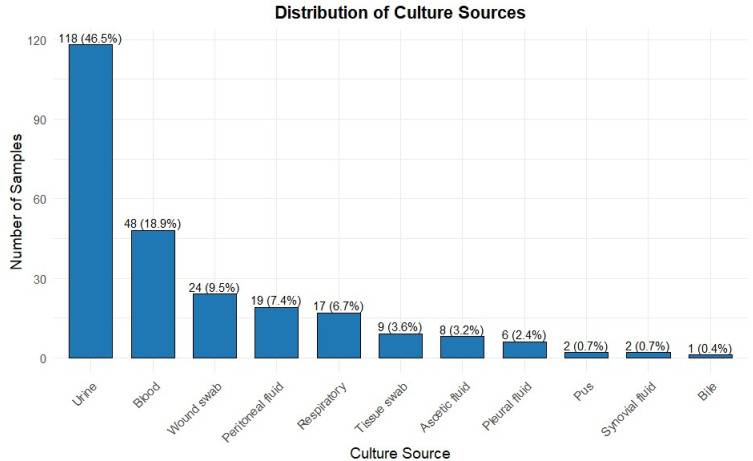
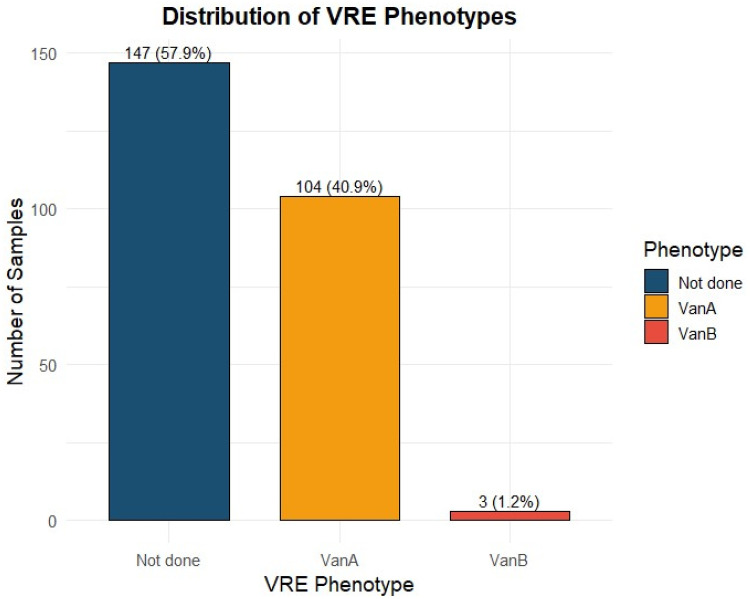
Results: Among 254 adult patients with VRE infections, the median age was 61 years. The most common comorbidities were diabetes, hypertension, and kidney disease. VRE infections peaked in 2021, with urine cultures being the most frequent source. Most patients had prior antibiotic exposure, particularly to vancomycin and carbapenems. Enterococcus faecium was the predominant species, with the VanA phenotype being most common. Alarmingly, 61.8% of VRE-infected patients died during the study period.
Conclusion: These findings underscore the critical need for enhanced infection control measures and antimicrobial stewardship to combat VRE and improve patient outcomes.
Keywords: AMR; hospital infections; mortality; risk factors; vancomycin-resistant enterococci.
© 2025 Mokhtar et al.
Conflict of interest statement
The authors declare that they have no conflict of interest related to this study. No financial or personal relationships with other people or organizations could have influenced the work described in this manuscript.
Figures
References
-
- Ohri S, Singh K, Sidhu SK, Oberoi L, Malhotra S, Kaur R. Vancomycin resistance among enterococci: further limiting our therapeutic options. International Journal of Contemporary Medical Research [IJCMR]. 2020;7(3):98–101. doi:10.21276/ijcmr.2020.7.3.21 - DOI
-
- Kalode V, Patil P. Enterococcus species: a systemic review. J Pure Appl Microbiol. 2023;17(2):761–767.
LinkOut - more resources
Full Text Sources
