


Marginal and internal adaptation and absolute marginal discrepancy of 3D-printed, milled, and prefabricated crowns for primary molar teeth: an in vitro comparative study
- PMID: 40234877
- PMCID: PMC12001578
- DOI: 10.1186/s12903-025-05947-x
Marginal and internal adaptation and absolute marginal discrepancy of 3D-printed, milled, and prefabricated crowns for primary molar teeth: an in vitro comparative study
Abstract
Background: The quality of marginal and internal adaptation plays a crucial role in the clinical longevity of pediatric crowns. This study aimed to evaluate the effect of restoration type (3D-printed, milled, and prefabricated) on the marginal and internal adaptation and absolute marginal discrepancy (AMD) values of crowns for primary molar teeth.
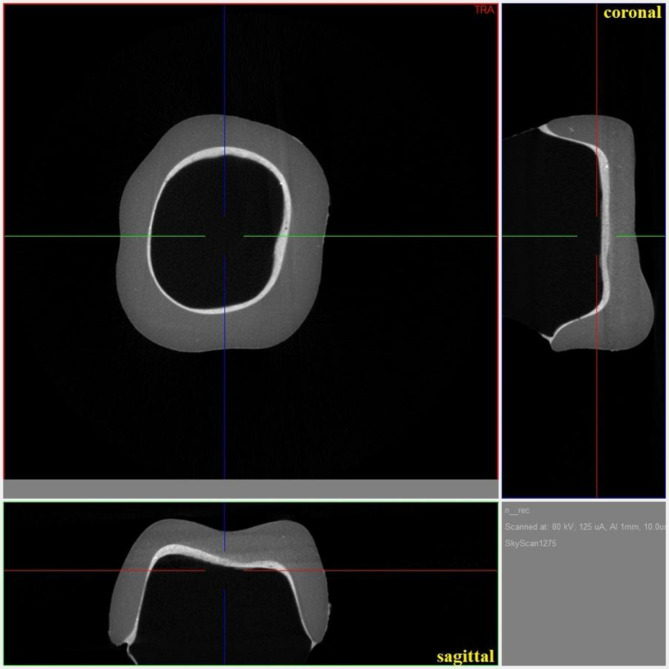
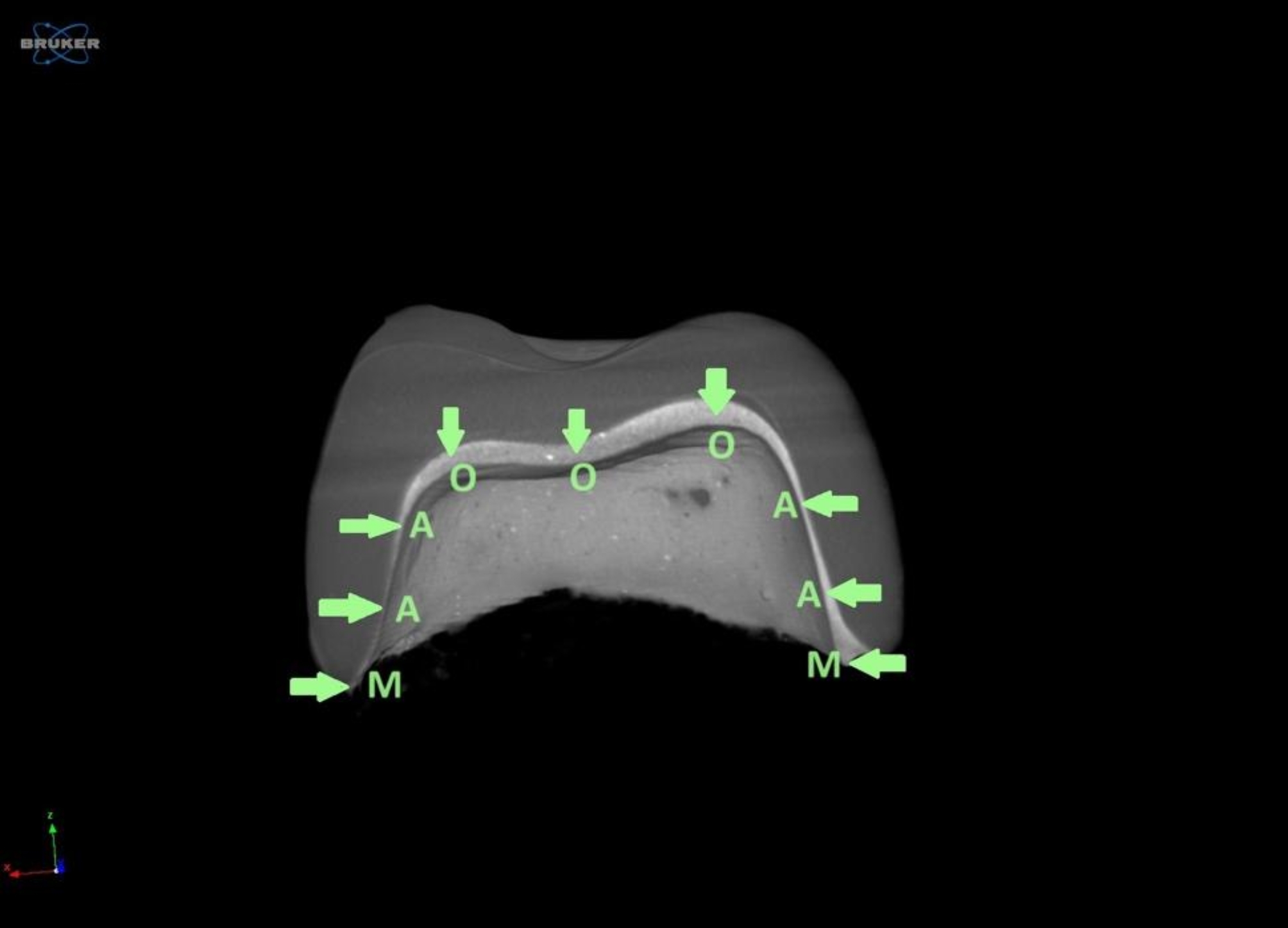
Methods: Three restoration groups were created: 3D-printed resin, milled resin-matrix ceramic, and prefabricated zirconia crowns (n = 10 per group). A typodont tooth was prepared according to the guidelines for prefabricated zirconia crowns and scanned to design restorations. 3D-printed and milled crowns were fabricated from the same design. All crowns were cemented on standardized 3D-printed resin dies with self-adhesive resin cement. Marginal and internal adaptation and AMD values were evaluated using micro-computed tomography (micro-CT) at multiple measurement points. Data were analyzed using one-way analysis of variance (ANOVA) and Tukey HSD tests, with statistical significance set at P < 0.05.
Results: The restoration type significantly influenced the marginal and internal gap and AMD values (P < 0.05). The prefabricated crown group exhibited the highest marginal gap (233.5 ± 33.4 μm) and internal gap (538.6 ± 47.4 μm). The 3D-printed group showed the highest AMD value (299.5 ± 70.2 μm). The milled group demonstrated the lowest gap values, which remained within clinically acceptable limits.
Conclusions: Prefabricated zirconia crowns displayed the highest marginal and internal gaps, whereas milled crowns exhibited the most favorable adaptation values within clinically acceptable limits. Given their superior adaptation, CAD-CAM-produced restorations may be a recommendable alternative for pediatric patients.
Keywords: 3D-printed crowns; Absolute marginal discrepancy; CAD-CAM restorations; Internal adaptation; Marginal adaptation; Micro-CT analysis; Pediatric dentistry; Prefabricated zirconia crowns; Primary teeth.
© 2025. The Author(s).
Conflict of interest statement
Declarations. Ethics approval and consent to participate: It is not necessary. Competing interests: The authors declare no competing interests. Consent for publication: Not applicable. Clinical Trial Number: Not applicable.
Figures
References
-
- American Academy of Pediatric Dentistry. Pediatric restorative dentistry. The reference manual of pediatric dentistry. Chicago, Ill.: American Academy of Pediatric Dentistry; 2023. pp. 443–56.
-
- MacLean JK, Champagne CE, Waggoner WF, Ditmyer MM, Casamassimo P. Clinical outcomes for primary anterior teeth treated with preveneered stainless steel crowns. Pediatr Dent. 2007;29:377–81. - PubMed
-
- Waggoner WF. Restoring primary anterior teeth: updated for 2014. Pediatr Dent. 2015;37:163–70. - PubMed
-
- Gill A, Garcia M, Won An S, Scott J, Seminario AL. Clinical comparison of three esthetic Full-Coverage restorations in primary maxillary incisors at 12 months. Pediatr Dent. 2020;42:367–72. - PubMed
Publication types
MeSH terms
Substances
Grants and funding
- Project Number: TKB-2023-8664/Gazi University Scientific Research Projects Coordination Unit
- Project Number: TKB-2023-8664/Gazi University Scientific Research Projects Coordination Unit
- Project Number: TKB-2023-8664/Gazi University Scientific Research Projects Coordination Unit
- Project Number: TKB-2023-8664/Gazi University Scientific Research Projects Coordination Unit
- Project Number: TKB-2023-8664/Gazi University Scientific Research Projects Coordination Unit
LinkOut - more resources
Full Text Sources
Miscellaneous
