


Exploring the Microbiome and Functional Metabolism of Fermented Camel Milk (Shubat) Using Metagenomics
- PMID: 40238218
- PMCID: PMC11989172
- DOI: 10.3390/foods14071102
Exploring the Microbiome and Functional Metabolism of Fermented Camel Milk (Shubat) Using Metagenomics
Abstract
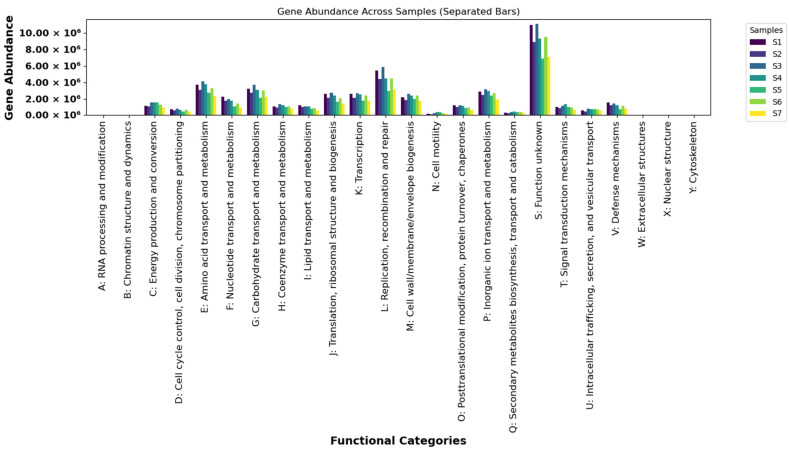
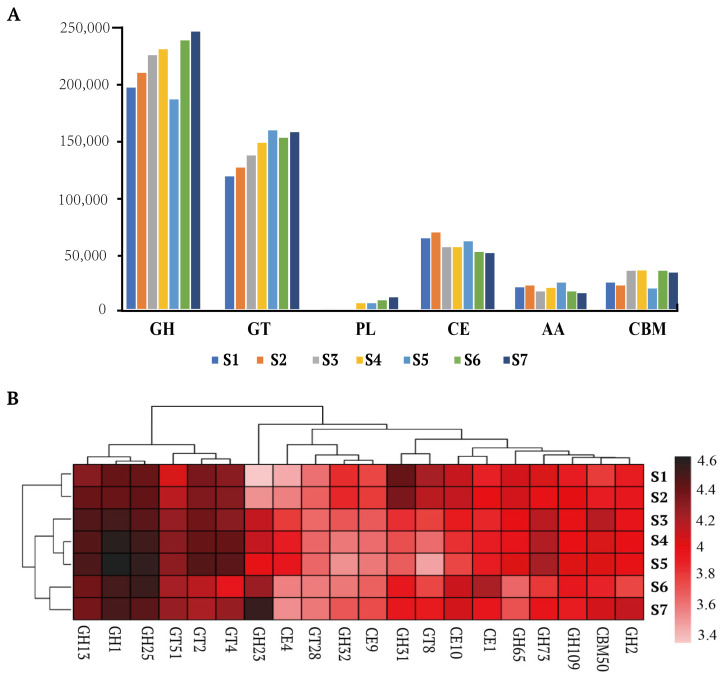
Shubat is a traditional fermented camel milk drink that originated in Central Asia, with especially deep cultural roots in Kazakhstan. However, systematic studies on the microbial ecology and functional genes of Shubat remain scarce. As a distinctive fer-mented food, its microbial diversity and functional properties have not been fully ex-plored. This study investigates the microbial diversity and functional potential of Shubat by using advanced metagenomic techniques. Its microbial community is mainly composed of bacteria (96.6%), with Lactobacillus, Lactococcus, and Streptococcus being the dominant genera. Functional annotations through EggNOG, KEGG, and CAZy databases highlighted the metabolic versatility of Shubat's microbiota. Key pathways included amino acid and carbohydrate metabolism, vitamin biosynthesis, and central carbon metabolism, emphasizing their roles in fermentation and nutritional enhancement. The identification of various enzymes related to chemical synthesis further emphasizes the contribution of the microbiota to Shubat's unique flavor and texture. This study not only provides an important basis for the scientific understanding of Shubat but also expands the application possibilities of fermented food in the field of health and nutrition and confers modern value and significance to traditional food. This integration of science and tradition has not only facilitated the development of food microbiology but also paved new pathways for the global dissemination of traditional foods and the development of functional foods.
Keywords: Shubat; fermented camel milk; functional annotation; functional metabolism; metagenomics; microbial diversity.
Conflict of interest statement
The authors declare no conflicts of interest.
Figures


References
-
- Izadi A., Khedmat L., Mojtahedi S.Y. Nutritional and Therapeutic Perspectives of Camel Milk and Its Protein Hydrolysates: A Review on Versatile Biofunctional Properties. J. Funct. Foods. 2019;60:103441.
-
- Salami M., Moosavi-Movahedi A.A., Moosavi-Movahedi F., Ehsani M.R., Yousefi R., Farhadi M., Niasari-Naslaji A., Saboury A.A., Chobert J.M., Haertlé T. Biological Activity of Camel Milk Casein Following Enzymatic Digestion. J. Dairy Res. 2011;78:471–478. doi: 10.1017/S0022029911000628. - DOI - PubMed
-
- Yadav A.N. Beneficial Plant-Microbe Interactions for Agricultural Sustainability. J. Appl. Biol. Biotechnol. 2021;9:i–iv.
-
- Thapa S., Li H., OHair J., Bhatti S., Chen F.-C., Nasr K.A., Johnson T., Zhou S. Biochemical Characteristics of Microbial Enzymes and Their Significance from Industrial Perspectives. Mol. Biotechnol. 2019;61:579–601. - PubMed
LinkOut - more resources
Full Text Sources
Research Materials
