


Cooking Increased the Postprandial Glycaemic Response but Enhanced the Preload Effect of Air-Dried Jujube
- PMID: 40238265
- PMCID: PMC11988649
- DOI: 10.3390/foods14071142
Cooking Increased the Postprandial Glycaemic Response but Enhanced the Preload Effect of Air-Dried Jujube
Abstract
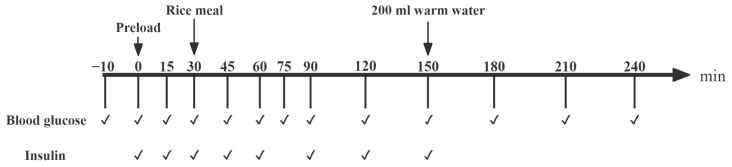
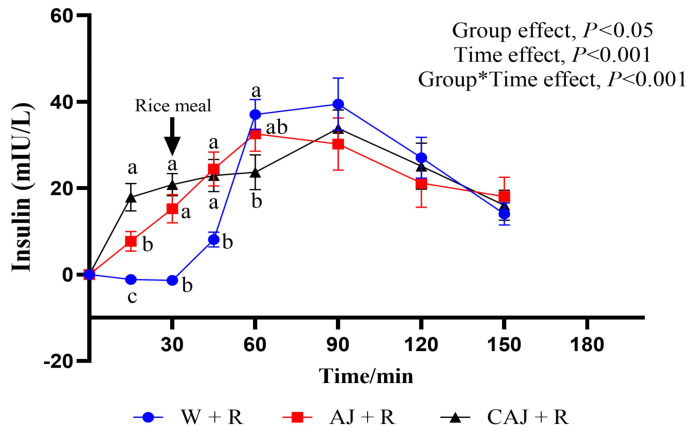
Randomised controlled trials involving healthy participants were conducted to investigate the impact of cooking and ingestion patterns on the physiological response and preloading effect of air-dried jujube (AJ). The participants' postprandial glycaemic and insulinemic responses were tested after ingestion of cooked or uncooked air-dried jujube containing 50 g (as a sole food source) or 15 g (as a preload food prior to a rice meal) of available carbohydrates. Compared with the uncooked AJ, the cooked air-dried jujube (CAJ) induced a 34.5% higher glycaemic peak, 57.1% greater glycaemic variability, and a 159.1% larger negative area under the glycaemic response curve when ingested as the only food in a meal. When eaten as a preload prior to a rice meal, the CAJ reduced the postprandial glycaemic peak by 25.17%. The CAJ preload enhanced insulin production in the 15 min after preloading but did not increase the total amount of postprandial insulin secretion. The result suggests that when taken as preload, the loose matrix of cooked fruits may exhibit glycaemic benefits by eliciting early insulin production and may therefore be conducive to the blood glucose management of a carbohydrate-laden meal.
Keywords: food matrix; glycaemic response; insulin; jujube; preload.
Conflict of interest statement
The authors declare no conflicts of interest.
Figures





References
LinkOut - more resources
Full Text Sources
