


Chronic Wounds and Employment: Assessing Occupation-Related Burden of Patients With Chronic Wounds-Results of a Pilot Study
- PMID: 40240699
- PMCID: PMC12003096
- DOI: 10.1111/iwj.70372
Chronic Wounds and Employment: Assessing Occupation-Related Burden of Patients With Chronic Wounds-Results of a Pilot Study
Abstract
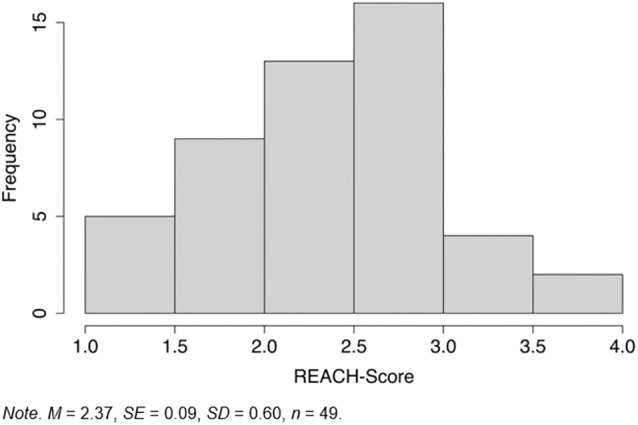
Chronic wounds can impact the quality of life of working-age individuals. However, the specific challenges and burdens these patients face in the workplace remain understudied. This study aimed to 1) investigate how chronic wounds affect work life and 2) develop a screening tool for identifying highly affected patients. In total, 51 patients with chronic wounds answered a questionnaire on demographics, employment status, wound-related limitations, workplace conditions, social welfare use and subjective burden of disease. To assess the subjective burden, we developed a specific research tool on employment and chronic wounds (REACH Score) to measure and quantify the impact of the chronic wound on working patients. The patients, who answered the questionnaire, were employed (78%), on sick leave (18%) or retired (4%). They spent an average of 5.3 h per week on wound-related activities. Regarding workplace stressors, we found that taking breaks when needed was correlated with less time off sick and better work-related quality of life. Patients reported career concerns and reduced productivity. The REACH score was significantly correlated with sick leave, work difficulties, time consumed by the wound and overall quality of life. According to our pilot-study, the impact of chronic wounds on patients of working age is most evident in the form of sick leave and reduced work performance and in a reduced quality of life. It is crucial to identify the key factors contributing to stress in the work environment in a larger sample in order to improve the working conditions of patients and detrimental socioeconomic effects on the workforce. The REACH score is a novel tool to screen employed patients with chronic wounds for reduced work capacity and quality of life.
Keywords: chronic wounds; employment; quality of life; work; wound healing.
© 2025 The Author(s). International Wound Journal published by Medicalhelplines.com Inc and John Wiley & Sons Ltd.
Conflict of interest statement
The authors declare no conflicts of interest.
Figures

References
-
- Platsidaki E., Kouris A., and Christodoulou C., “Psychosocial Aspects in Patients With Chronic Leg Ulcers,” Wounds: a Compendium of Clinical Research and Practice 29 (2017): 306–310. - PubMed
-
- Brown A., “Chronic Leg Ulcers, Part 2: Do They Affect a patient's Social Life?,” British Journal of Nursing 14 (2005): 986–989. - PubMed
MeSH terms
LinkOut - more resources
Full Text Sources
Medical
