


The Role of Gut Microbiome on Glioblastoma Oncogenesis and Malignant Evolution
- PMID: 40243570
- PMCID: PMC11989184
- DOI: 10.3390/ijms26072935
The Role of Gut Microbiome on Glioblastoma Oncogenesis and Malignant Evolution
Abstract
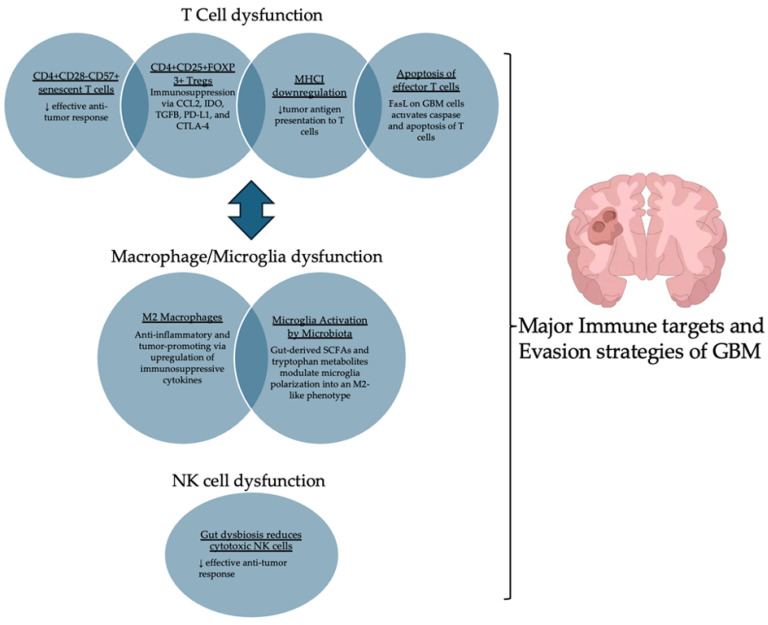
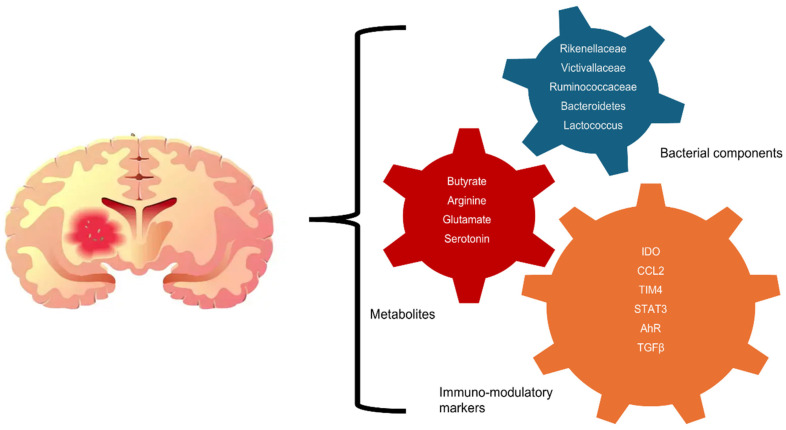
Glioblastoma (GBM) remains the most aggressive primary brain tumor, with poor survival outcomes and treatment limited to maximal safe surgical resection, chemotherapy with temozolomide, and radiotherapy. While immunotherapy and targeted treatments show promise, therapeutic resistance and disease progression remain major challenges. This is partly due to GBM's classification as a "cold tumor" with low mutational burden and a lack of distinct molecular targets for drug delivery that selectively spare healthy tissue. Emerging evidence highlights the gut microbiota as a key player in cancer biology, influencing both glioma development and treatment response. This review explores the intersectionality between the gut microbiome and GBM, beginning with an overview of microbiota composition and its broader implications in cancer pathophysiology. We then examine how specific microbial populations contribute to glioma oncogenesis, modulating immune responses, inflammation, and metabolic pathways that drive tumor initiation and progression. Additionally, we discuss the gut microbiome's role in glioma therapeutic resistance, including its impact on chemotherapy, radiotherapy, and immunotherapy efficacy. Given its influence on treatment outcomes, we evaluate emerging strategies to modulate gut flora, such as probiotics, dietary interventions, and microbiota-based therapeutics, to enhance therapy response in GBM patients. Finally, we address key challenges and future directions, emphasizing the need for standardized methodologies, mechanistic studies, and clinical trials to validate microbiota-targeted interventions in neuro-oncology. By integrating gut microbiome research into GBM treatment paradigms, we may unlock novel therapeutic avenues to improve patient survival and outcomes.
Keywords: glioblastoma; gut microbiome; gut–brain axis; therapeutic resistance.
Conflict of interest statement
The authors declare no conflicts of interest.
Figures
References
Publication types
MeSH terms
Grants and funding
LinkOut - more resources
Full Text Sources
Medical
