


Potential Role of Malassezia restricta in Pterygium Development
- PMID: 40243577
- PMCID: PMC11989039
- DOI: 10.3390/ijms26072976
Potential Role of Malassezia restricta in Pterygium Development
Abstract
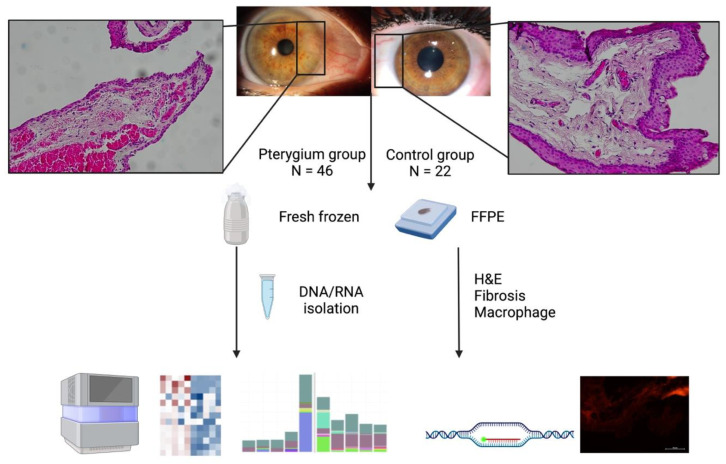
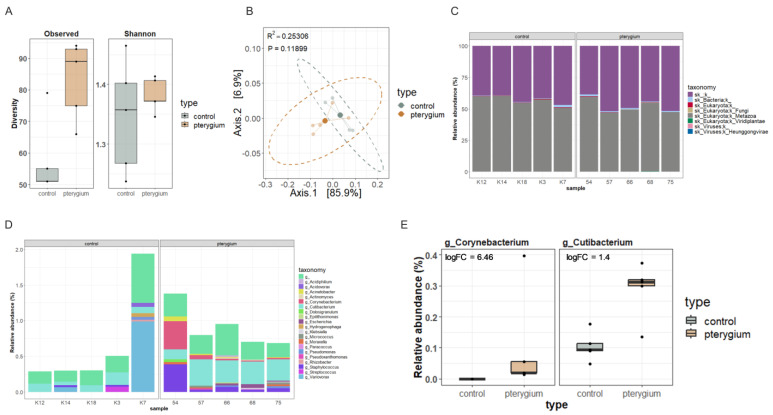
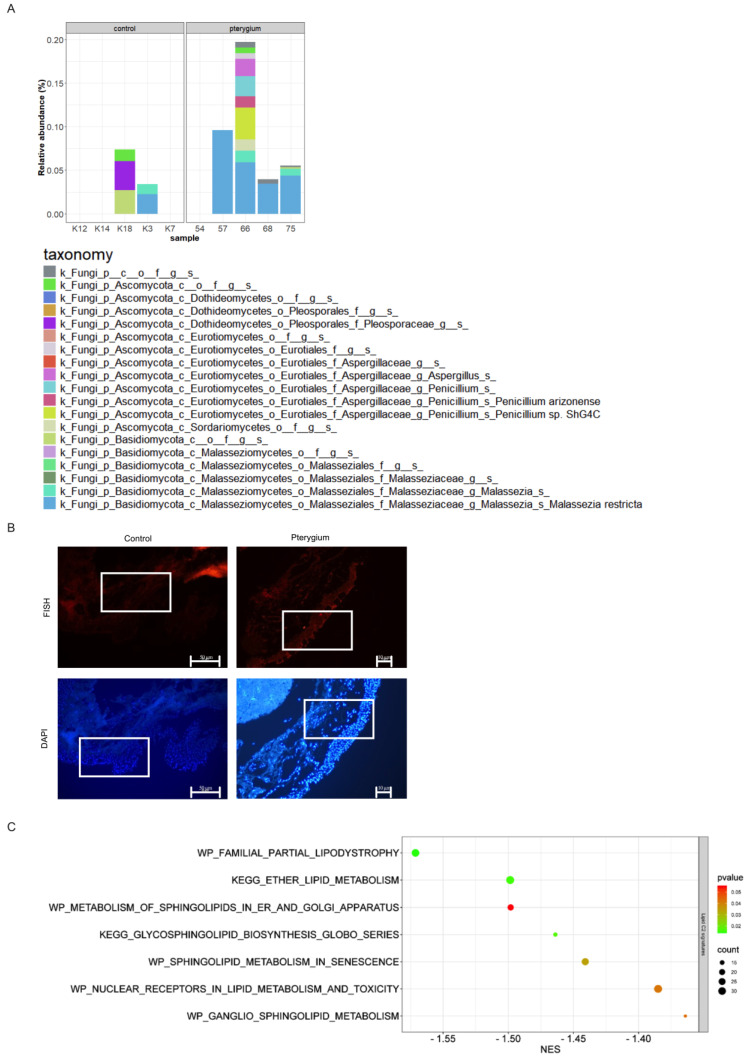
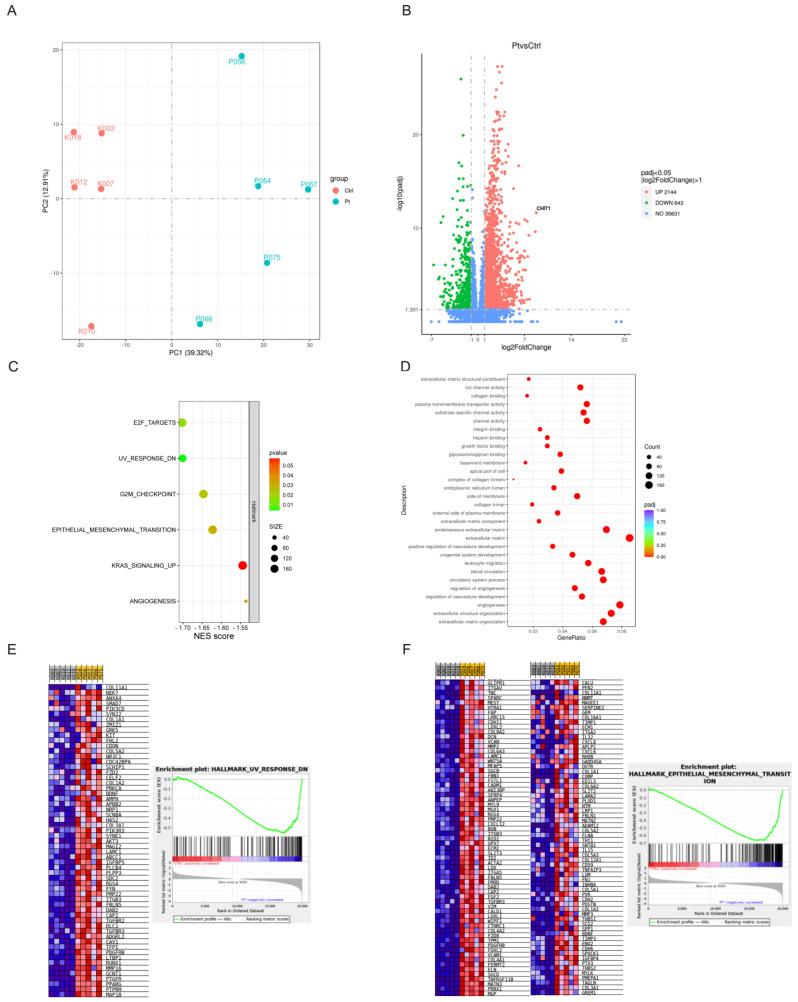
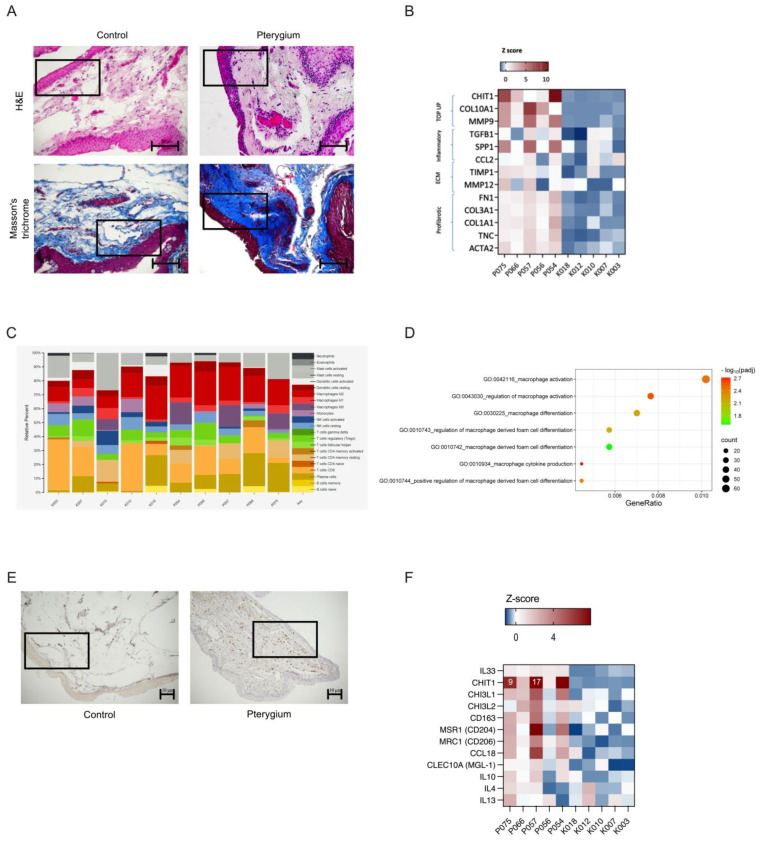
Pterygium is a condition affecting the ocular surface, marked by a triangular-shaped growth of fibrotic tissue extending from the nasal conjunctiva toward the corneal center, potentially causing visual impairment. While ultraviolet (UV )light exposure is the primary risk factor for pterygium, its underlying cause remains unclear. In order to better understand the true genesis of pterygium development, we investigated pterygium tissue and compared it with healthy conjunctiva controls. Given the eye's direct environmental exposure, we analyzed the microbiota composition using metagenomic sequencing of pterygium tissue to identify microbes potentially associated with this condition. Metagenomic sequencing revealed a higher prevalence of the fungus Malassezia restricta in five pterygium samples, confirmed by in situ hybridization. The CHIT1 gene, which plays a role in antifungal defenses, displayed the highest expression in five pterygium tissue samples compared to healthy conjunctiva controls, suggesting the potential involvement of Malassezia restricta in pterygium development. Gene expression profiling of pterygium highlighted an IL-33 and IL-4 gene expression signature, along with an increased presence of M2 macrophages, emphasizing their role in promoting fibrosis-a hallmark feature of pterygium. The detection of Malassezia restricta in the pterygium samples and associated molecular changes provides novel insights into the ocular microbiome and raises the possibility of Malassezia's involvement in pterygium pathology.
Keywords: CHIT1 gene; Malassezia restricta; ocular microbiome; pterygium.
Conflict of interest statement
The authors declare no conflicts of interest.
Figures
References
MeSH terms
Grants and funding
LinkOut - more resources
Full Text Sources
Miscellaneous
