


Apixaban Inhibits Progression of Experimental Diabetic Nephropathy by Blocking Advanced Glycation End Product-Receptor Axis
- PMID: 40243677
- PMCID: PMC11988465
- DOI: 10.3390/ijms26073007
Apixaban Inhibits Progression of Experimental Diabetic Nephropathy by Blocking Advanced Glycation End Product-Receptor Axis
Abstract
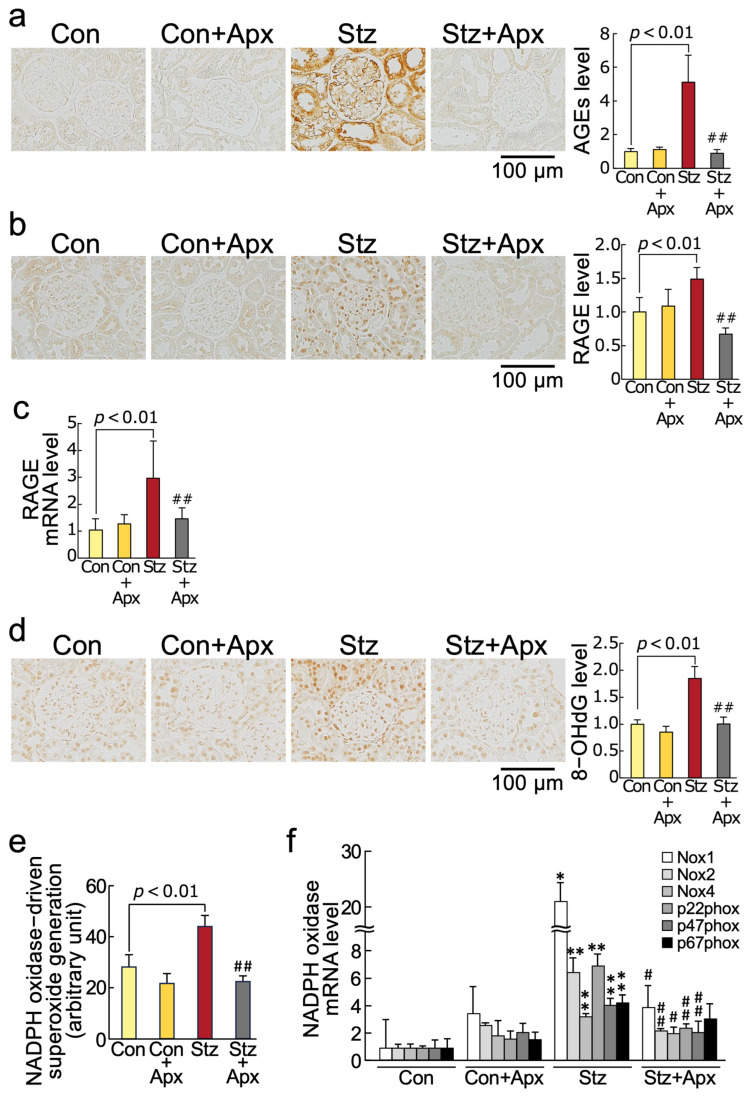
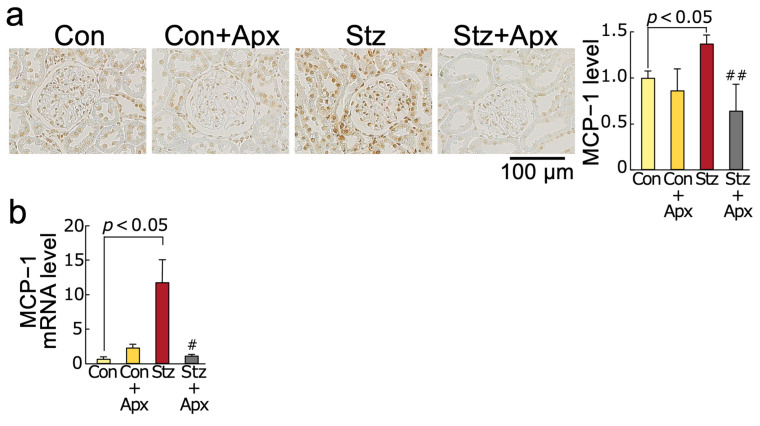
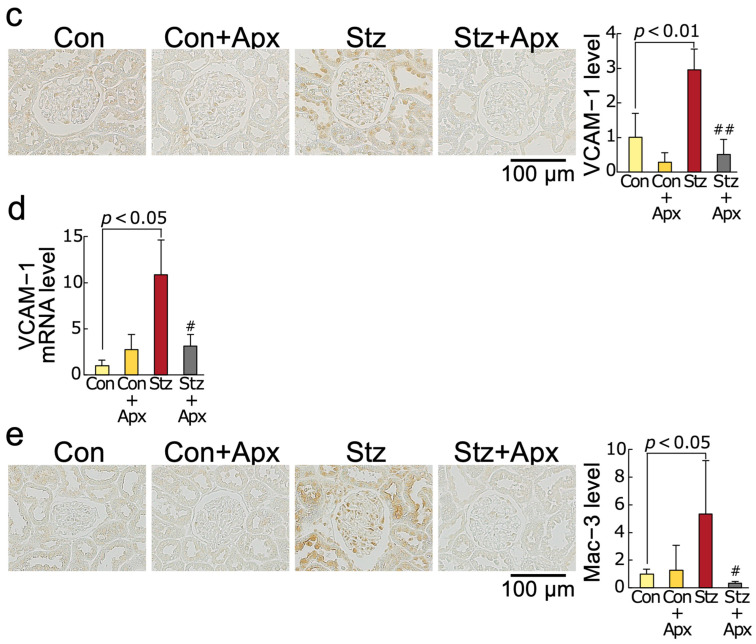
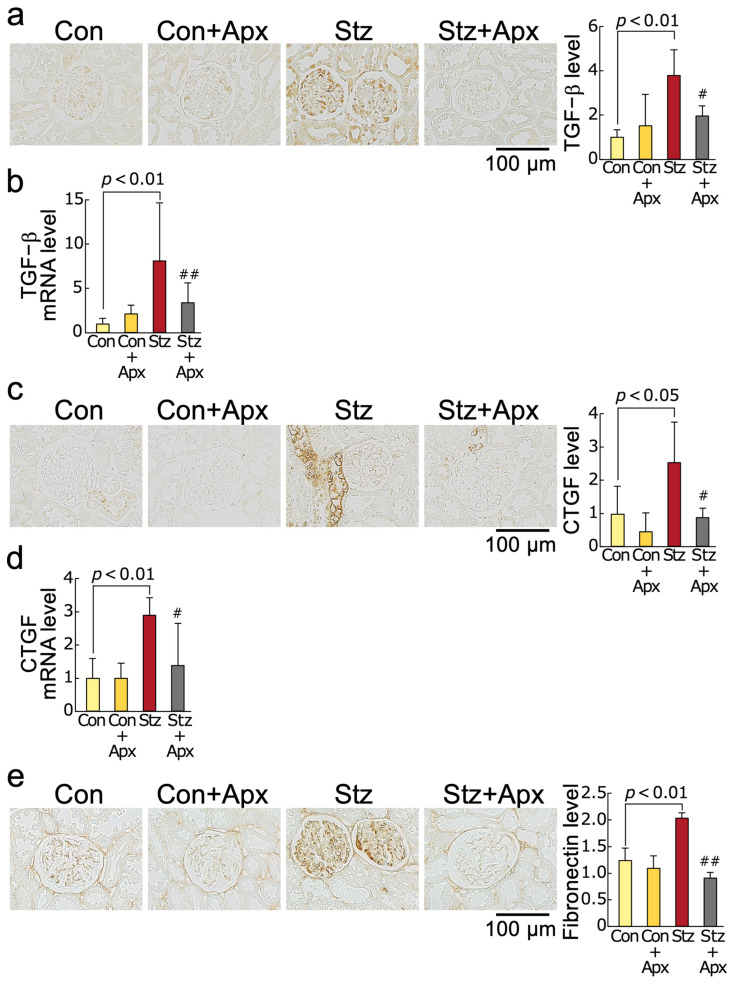
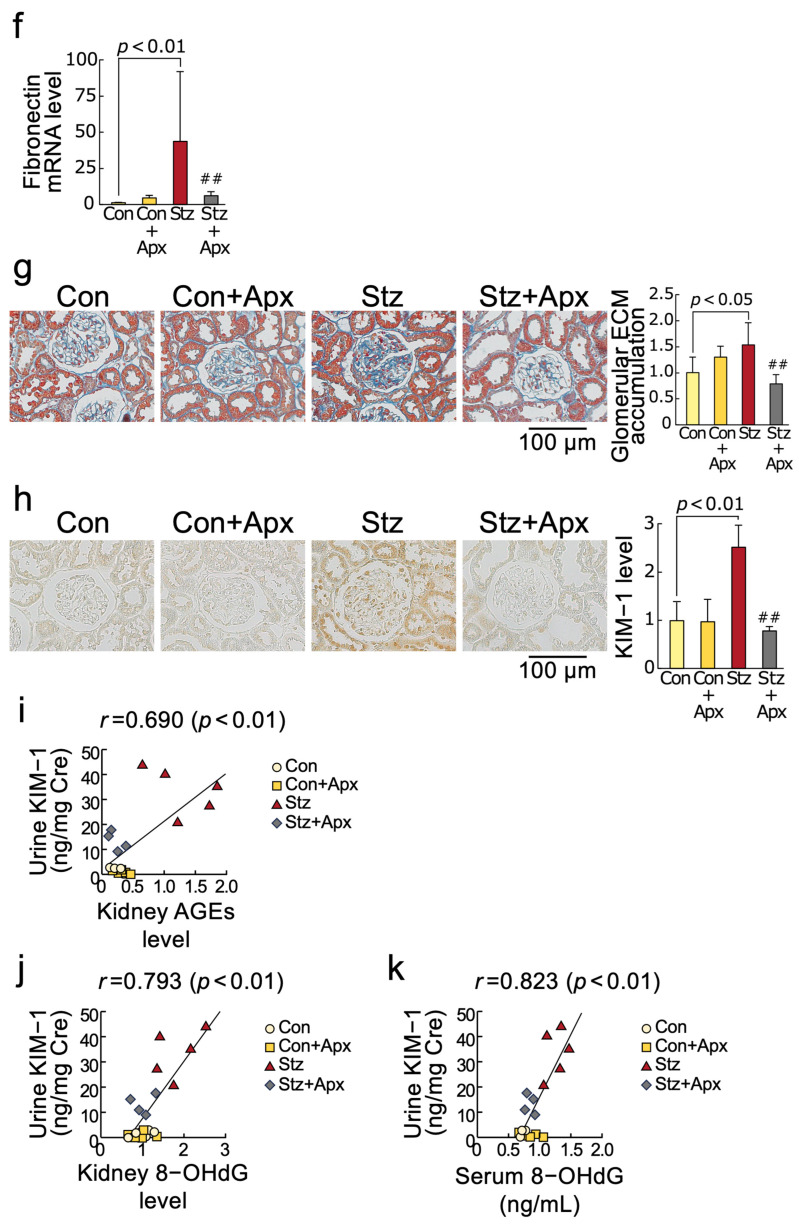
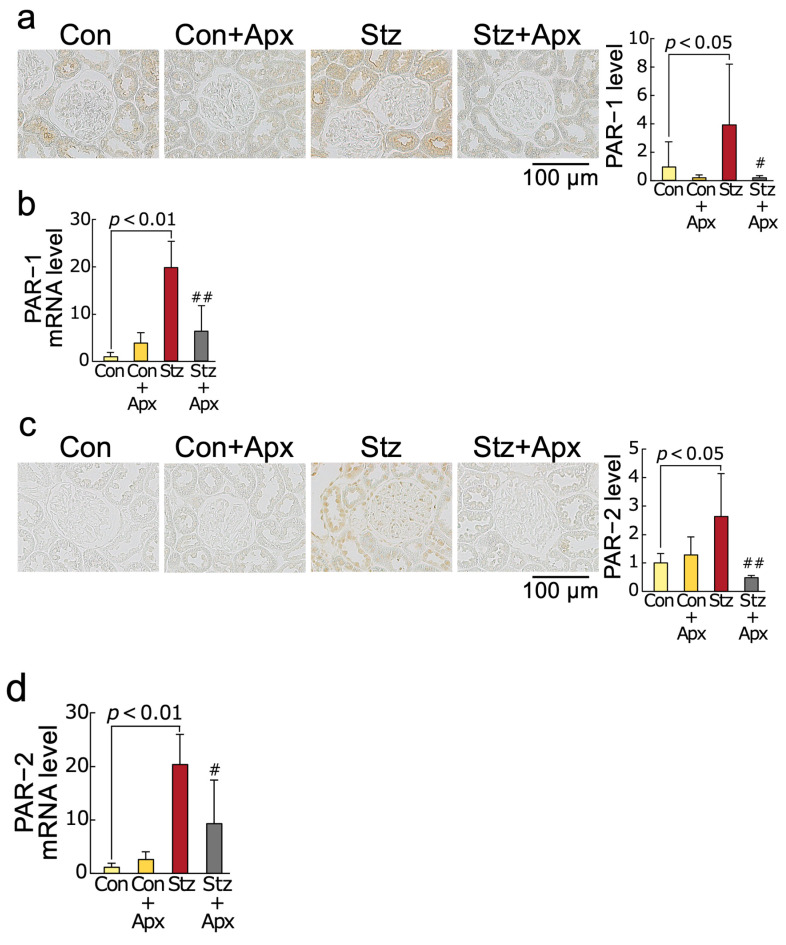
Diabetes is associated with an increased risk of thromboembolism. However, the effects of apixaban, a factor Xa inhibitor on diabetic nephropathy, remain unknown. Six-week-old Wistar rats received a single 60 mg/kg intraperitoneal injection of streptozotocin to produce a model of type 1 diabetes. Type 1 diabetic and non-diabetic control rats were treated with or without apixaban orally for 8 weeks, and blood and kidneys were obtained for biochemical, real-time reverse transcription-polymerase chain reaction (RT-PCR) and morphological analyses. Although apixaban treatment did not affect glycemic or lipid parameters, it significantly (p < 0.01) inhibited the increases in advanced glycation end products (AGEs), the receptor for AGEs (RAGE) mRNA and protein levels, 8-hydroxy-2'-deoxyguanosine (8-OHdG), and NADPH oxidase-driven superoxide generation in diabetic rats at 14 weeks old. Compared with non-diabetic rats, gene and protein expression levels of monocyte chemoattractant protein-1 (MCP-1), vascular cell adhesion molecule-1 (VCAM-1), transforming growth factor-β (TGF-β), connective tissue growth factor (CTGF), and fibronectin were increased in 14-week-old diabetic rats, which were associated with enhanced renal expression of kidney injury molecule-1 (KIM-1) and Mac-3, increased extracellular matrix accumulation in the kidneys, and elevated urinary excretion levels of protein and KIM-1, all of which were significantly inhibited by the treatment with apixaban. Urine KIM-1 levels were significantly (p < 0.01) and positively correlated with AGEs (r = 0.690) and 8-OHdG (r = 0.793) in the kidneys and serum 8-OHdG levels (r = 0.823). Our present findings suggest that apixaban could ameliorate renal injury in streptozotocin-induced type 1 diabetic rats partly by blocking the AGE-RAGE-oxidative stress axis in diabetic kidneys.
Keywords: AGEs; RAGE; apixaban; diabetic nephropathy.
Conflict of interest statement
The funder had no role in the design of the study; in the collection, analyses, or interpretation of data; in the writing of the manuscript; or in the decision to publish the results.
Figures
References
-
- Sanglard A., Castello Branco Miranda B., França Vieira A.L., Miranda Macedo M.V., Lara Santos R., Stenner Rodrigues Radicchi Campos A., Campos Piva A., Simões E., Silva A.C. The Role of Renin-Angiotensin System in Diabetic Nephropathy: An Update. Mini-Rev. Med. Chem. 2025;25:591–600. doi: 10.2174/0113895575344980250130062547. - DOI - PubMed
MeSH terms
Substances
Grants and funding
LinkOut - more resources
Full Text Sources
Medical
Research Materials
Miscellaneous
