


Small extracellular vesicles: the origins, current status, future prospects, and applications
- PMID: 40247402
- PMCID: PMC12004682
- DOI: 10.1186/s13287-025-04330-5
Small extracellular vesicles: the origins, current status, future prospects, and applications
Abstract
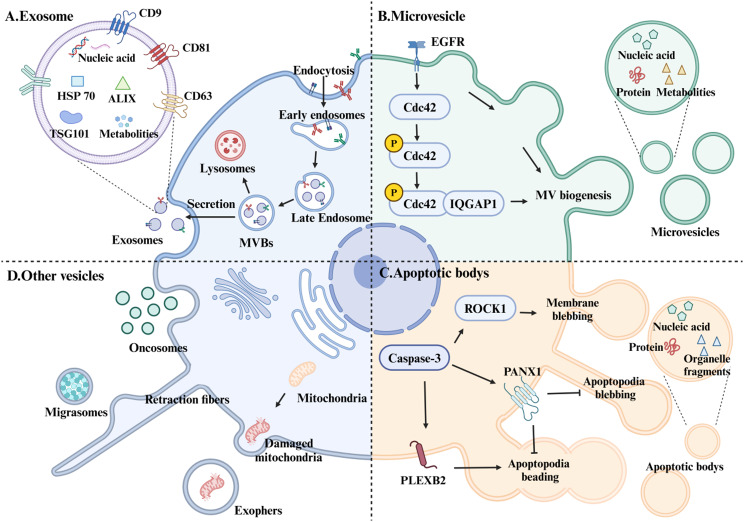
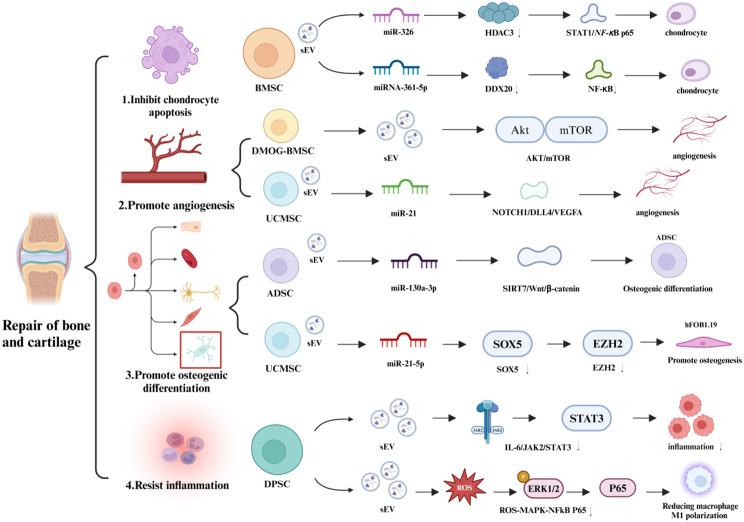
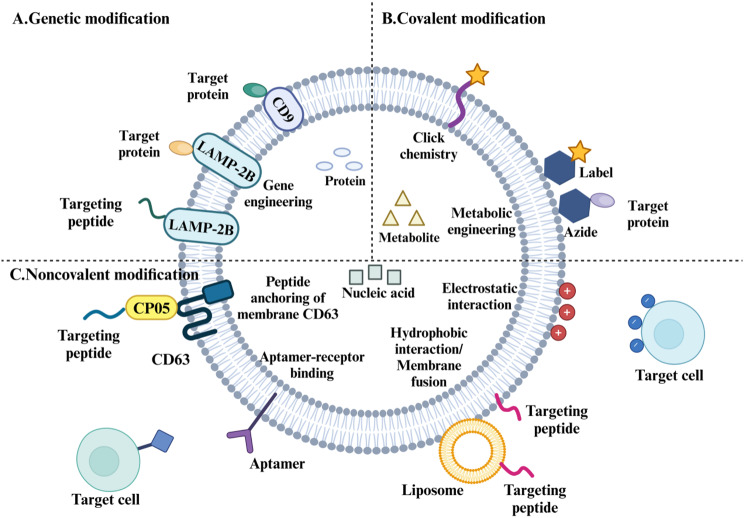
Small extracellular vesicles (sEVs) are membrane-bound vesicles with a size of less than 200 nm, released by cells. Due to their relatively small molecular weight and ability to participate in intercellular communication, sEVs can serve not only as carriers of biomarkers for disease diagnosis but also as effective drug delivery agents. Furthermore, these vesicles are involved in regulating the onset and progression of various diseases, reflecting the physiological and functional states of cells. This paper introduces the classification of extracellular vesicles, with a focus on the extraction and identification of sEVs and their significant role in repair, diagnosis, and intercellular communication. Additionally, the paper addresses the engineering modification of sEVs to provide a reference for enhanced understanding and application.
© 2025. The Author(s).
Conflict of interest statement
Declarations. Ethics approval and consent to participate: Not applicable. Consent for publication: Not applicable. Competing interests: The authors declare that they have no competing interests.
Figures


References
-
- Juan T, Fürthauer M. Biogenesis and function of ESCRT-dependent extracellular vesicles. Semin Cell Dev Biol. 2018;74:66–77. - PubMed
Publication types
MeSH terms
Substances
Grants and funding
- 82202618/National Natural Science Youth Foundation of China
- 82401900/National Natural Science Youth Foundation of China
- BJ2023104/Top Talent Support Program for young and middle-aged people of Wuxi Health Committee
- No.JDY2022017/Medical Education Collaborative Innovation Fund of Jiangsu University
- No. Q202342/Scientific Research Program of Wuxi Health Commission
LinkOut - more resources
Full Text Sources
