


Neutrophil infiltration and microglial shifts in sepsis induced preterm brain injury: pathological insights
- PMID: 40254577
- PMCID: PMC12010587
- DOI: 10.1186/s40478-025-02002-2
Neutrophil infiltration and microglial shifts in sepsis induced preterm brain injury: pathological insights
Abstract
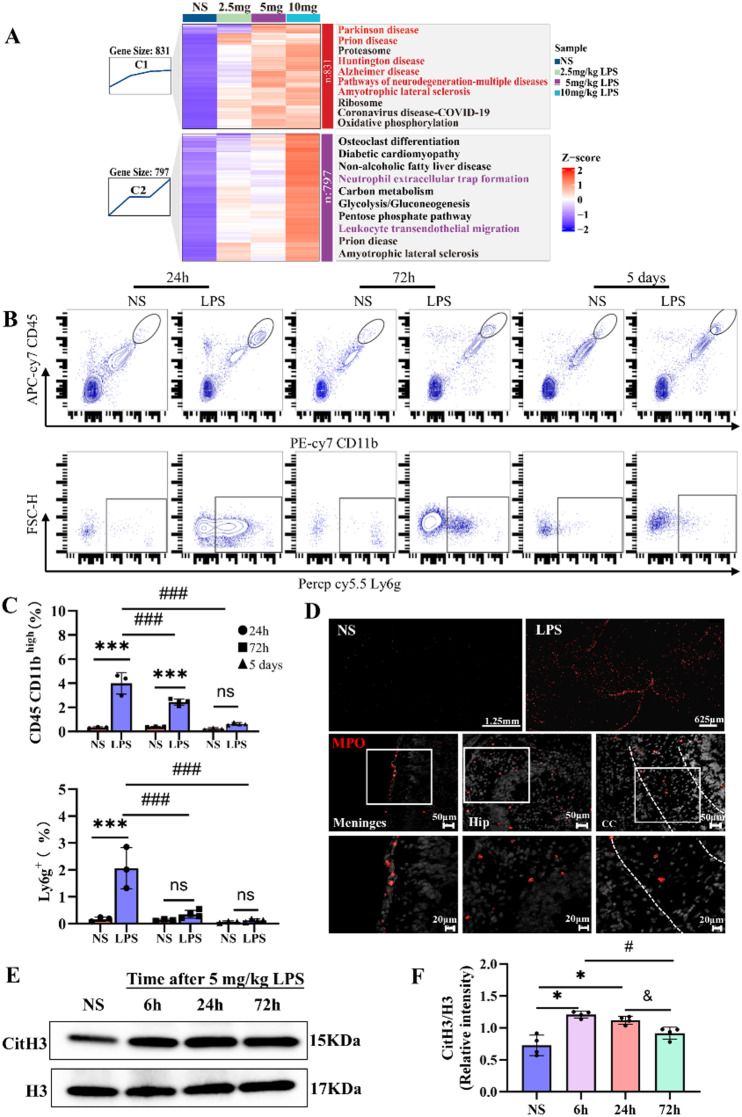
Preterm sepsis is a major contributor to brain injury and long-term neurodevelopmental impairments, but its molecular mechanisms remain poorly understood. This study integrated clinical and experimental approaches to investigate the pathological changes linking systemic inflammation to brain injury in preterm infants. Transcriptomic analysis of septic preterm infants' peripheral blood revealed upregulated immune, metabolic, and inflammatory pathways, suggesting a link between systemic and brain inflammation. Using P2 mice, we established a preterm white matter injury model through multiple doses of lipopolysaccharide, observing dose-dependent developmental delays, brain inflammation, and long-term behavioral deficits. Integrative analyses of peripheral blood and brain samples from both mice and preterm infants revealed consistent chemokine alterations and immune cell infiltration across peripheral and central compartments, highlighting the significant involvement of neutrophil extracellular traps in preterm brain injury. Furthermore, microglia exhibited significant transcriptional changes during the acute phase, accompanied by metabolic reprogramming from oxidative phosphorylation to glycolysis, with suggested involvement of Pgk1 and Pgam1. This shift intensified with escalating inflammation, along with PANoptosis-related gene upregulation, ultimately associated with microglial cell death. Collectively, these findings provide pathological insights into the immunometabolic alterations underlying sepsis-induced preterm brain injury and suggest potential targets for future therapeutic interventions to mitigate long-term neurodevelopmental deficits.
Keywords: Behavioral deficits; Microglial metabolic reprogramming; Neonatal sepsis; Neutrophil; PANoptosis; White matter injury.
© 2025. The Author(s).
Conflict of interest statement
Declarations. Ethical approval: Ethical approval for the preterm infants study was obtained from the Ethics Committees of The Third Affiliated Hospital of Zhengzhou University (ethical no: 2018-04). All procedures for the animal study followed the institutional animal care standards set by the Ethics Committee of Zhengzhou University [Ethics number 2022-(yu)121]. Competing interests: The authors declare no competing interests.
Figures




References
Publication types
MeSH terms
Substances
LinkOut - more resources
Full Text Sources
Medical
Miscellaneous
