


Association between physical activity levels and mild cognitive impairment in Chinese older adults: a cross-sectional study from the China health and retirement longitudinal study
- PMID: 40255385
- PMCID: PMC12006155
- DOI: 10.3389/fpubh.2025.1564544
Association between physical activity levels and mild cognitive impairment in Chinese older adults: a cross-sectional study from the China health and retirement longitudinal study
Abstract
Background: Research indicates that mild cognitive impairment (MCI) in older adults is linked to physical activity; however, the relationship between varying levels of physical activity (PAL) and the risk of MCI needs further exploration.
Objective: This study explores the association and dose-response relationship between different levels of physical activity and MCI in older adults.
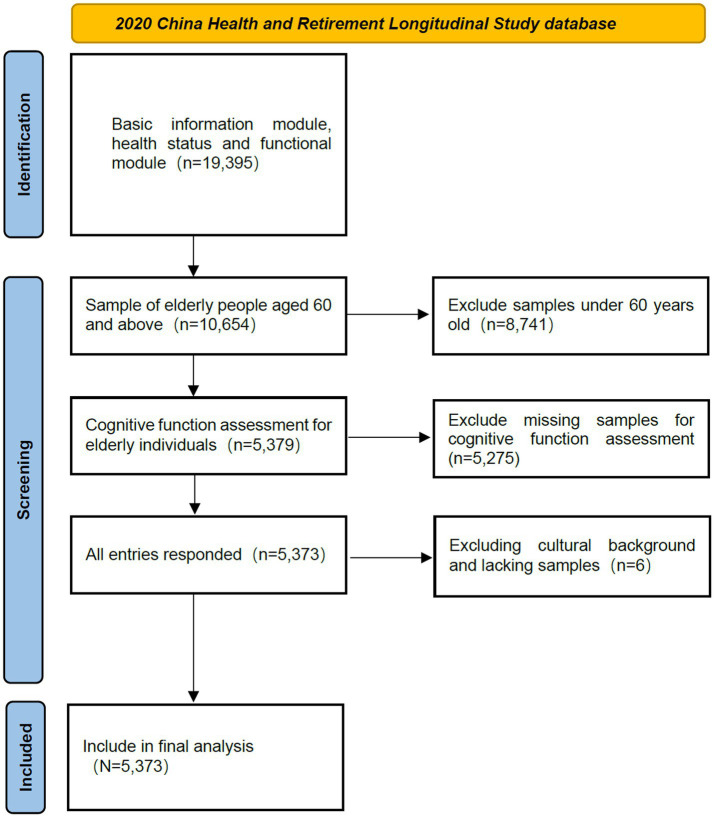
Methods: Using data from the 2020 China Health and Retirement Longitudinal Study (CHARLS), this cross-sectional analysis included 5,373 older adults aged 60 and above. Binary logistic regression models and restricted cubic spline (RCS) methods were employed to examine the association and dose-response relationship between different PAL levels and the risk of MCI in the overall population and subgroups. Sensitivity analyses were conducted to validate the robustness of the results.
Results: In the overall study population, compared to the lowest PAL quartile, participants in the second PAL quartile had a significantly reduced risk of MCI by 21.3% (p < 0.05). Given that the second PAL quartile had the lowest risk of MCI, a logistic regression model was constructed using the second quartile as the reference group. The results showed that, compared to the second PAL quartile, participants in the first and fourth PAL quartiles had significantly increased risks of MCI by 27.1% (p < 0.05) and 38.2% (p < 0.05), respectively. In subgroup analyses, compared to the second PAL quartile, female participants in the third and fourth PAL quartiles had significantly increased risks of MCI by 50.1% (p < 0.05) and 89.0% (p < 0.05), respectively; participants aged 60-74 in the first and fourth PAL quartiles had significantly increased risks of MCI by 29.4% (p < 0.05) and 42.2% (p < 0.05), respectively; and rural residents in the fourth PAL quartile had a significantly increased risk of MCI by 33.5% (p < 0.05). In the Chinese older adult population, a dose-response relationship was observed between physical activity and the risk of MCI. The RCS curve showed that as physical activity increased, the risk of MCI gradually decreased, reaching a beneficial point at 900 MET-min/week, with the lowest risk at approximately 1,600 MET-min/week. Beyond 1,600 MET-min/week, the risk of MCI began to rise, reaching a significant increase at 2,100 MET-min/week. Sensitivity analyses confirmed the robustness of the findings.
Conclusion: Physical activity levels between 900 and 2,100 MET-min/week are associated with a reduced risk of MCI in the Chinese older adult population. Using physical activity to predict the risk of MCI in this population is feasible, and moderate physical activity may be an effective strategy for preventing and managing MCI.
Keywords: CHARLS; China; mild cognitive impairment; older adults; physical activity.
Copyright © 2025 Zhang, Chen, Miao, Zou, Xiang, Wu and Zhou.
Conflict of interest statement
The authors declare that the research was conducted in the absence of any commercial or financial relationships that could be construed as a potential conflict of interest.
Figures

References
-
- Li JQ, Tan L, Wang HF, Tan MS, Tan L, Xu W, et al. Risk factors for predicting progression from mild cognitive impairment to Alzheimer's disease: a systematic review and meta-analysis of cohort studies. J Neurol Neurosurg Psychiatry. (2016) 87:476–84. doi: 10.1136/jnnp-2014-310095, PMID: - DOI - PubMed
MeSH terms
Supplementary concepts
LinkOut - more resources
Full Text Sources
Medical
Miscellaneous
