


Natural anticancer agents: prospection of medicinal and aromatic plants in modern chemoprevention and chemotherapy
- PMID: 40257645
- PMCID: PMC12011705
- DOI: 10.1007/s13659-025-00511-0
Natural anticancer agents: prospection of medicinal and aromatic plants in modern chemoprevention and chemotherapy
Abstract
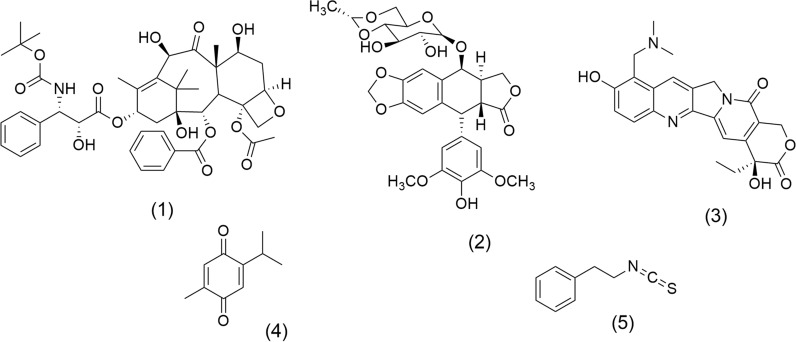
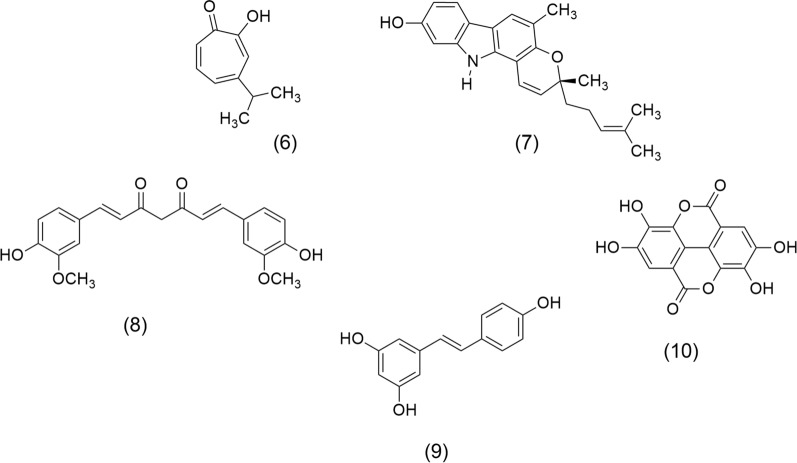
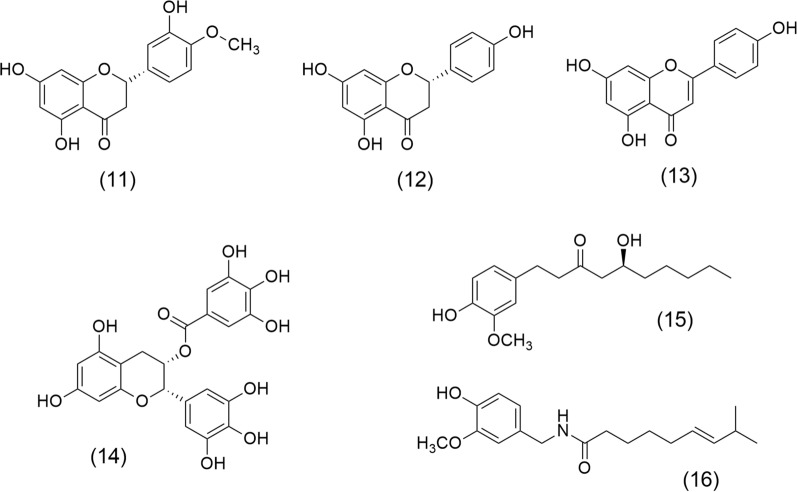
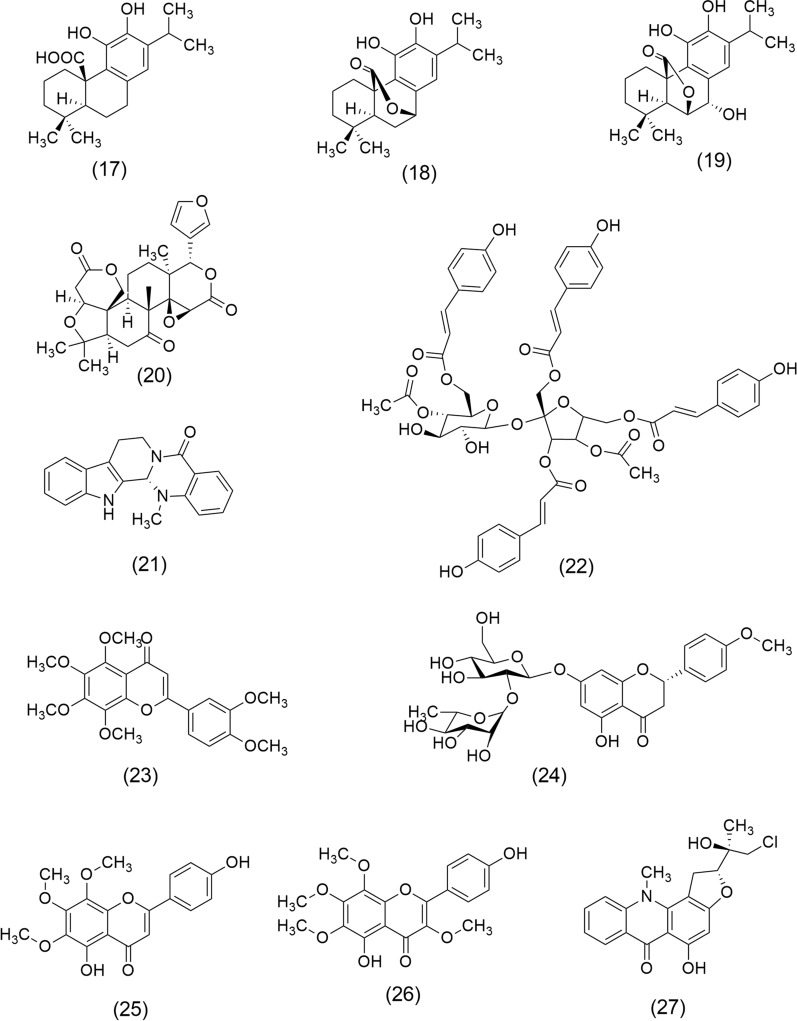
Natural products obtained from medicinal and aromatic plants are increasingly recognized as promising anticancer agents due to their structural richness, including terpene and flavonoid molecules, which induce apoptosis and modulate gene expression. These compounds offer an alternative to conventional treatments, often costly, which face challenges such as multidrug resistance. This review aims to provide a promising alternative approach to effectively control cancer by consolidating significant findings in identifying natural products and anticancer agent development from medicinal and aromatic plants. It synthesizes the findings of a comprehensive search of academic databases, such as PubMed and Springer, prioritizing articles published in recognized peer-reviewed journals that address the bioprospecting of medicinal and aromatic plants as anticancer agents. The review addresses the anticancer activities of plant extracts and essential oils, which were selected for their relevance to chemoprevention and chemotherapy. Compounds successfully used in cancer therapy include Docetaxel (an antimitotic agent), Etoposide VP-16 (an antimitotic agent and topoisomerase II inhibitor), Topotecan (a topoisomerase I inhibitor), Thymoquinone (a Reactive Oxygen Species-ROS inducer), and Phenethyl isothiocyanate (with multiple mechanisms). The review highlights natural products such as Hinokitiol, Mahanine, Hesperetin, Borneol, Carvacrol, Eugenol, Epigallocatechin gallate, and Capsaicin for their demonstrated efficacy against multiple cancer types, including breast, cervical, gastric, colorectal, pancreatic, lung, prostate, and skin cancer. Finally, it highlights the need for continued bioprospecting studies to identify novel natural products that can be successfully used in modern chemoprevention and chemotherapy.
Keywords: Cancer cell lines; Chemoprevention; Chemotherapy; Essential oils; Medicinal and aromatic plants; Natural volatiles; Vegetable extracts.
© 2025. The Author(s).
Conflict of interest statement
Declarations. Ethics approval and consent to participate: This article does not contain any studies involving animals performed by any authors. This article contains no studies involving human participants performed by any authors. Competing interests: The authors declare that there are no conflicts of interest.
Figures

References
-
- de Oliveira MS, Almeida MM, Salazar MLAR, Pires FCS, Bezerra FWF, Cunha VMB, Cordeiro R, Olivo G, Paiva M, Souza A, Holanda R, de Carvalho RN. Potential of medicinal use of essential oils from aromatic plants. In Potential of essential oils. IntechOpen; 2018:1–21.
-
- Kadosh E, Snir-Alkalay I, Venkatachalam A, May S, Lasry A, Elyada E, Zinger A, Shaham M, Vaalani G, Mernberger M, Stiewe T, Pikarsky E, Oren M, Ben-Neriah Y. The gut microbiome switches mutant p53 from tumour-suppressive to oncogenic. Nature. 2020;586(7827):133. 10.1038/s41586-020-2541-0. - DOI - PMC - PubMed
-
- Walter DM, Yates TJ, Ruiz-Torres M, Kim-Kiselak C, Gudiel AA, Deshpande C, Wang WZ, Cicchini M, Stokes KL, Tobias JW, Buza E, Feldser DM. RB constrains lineage fidelity and multiple stages of tumour progression and metastasis. Nature. 2019;569(7756):423. 10.1038/s41586-019-1172-9. - DOI - PMC - PubMed
Publication types
Grants and funding
LinkOut - more resources
Full Text Sources
