


The unique relationship between body mass index and metabolic syndrome in AIDS patients
- PMID: 40263359
- PMCID: PMC12015379
- DOI: 10.1038/s41598-025-97033-z
The unique relationship between body mass index and metabolic syndrome in AIDS patients
Abstract
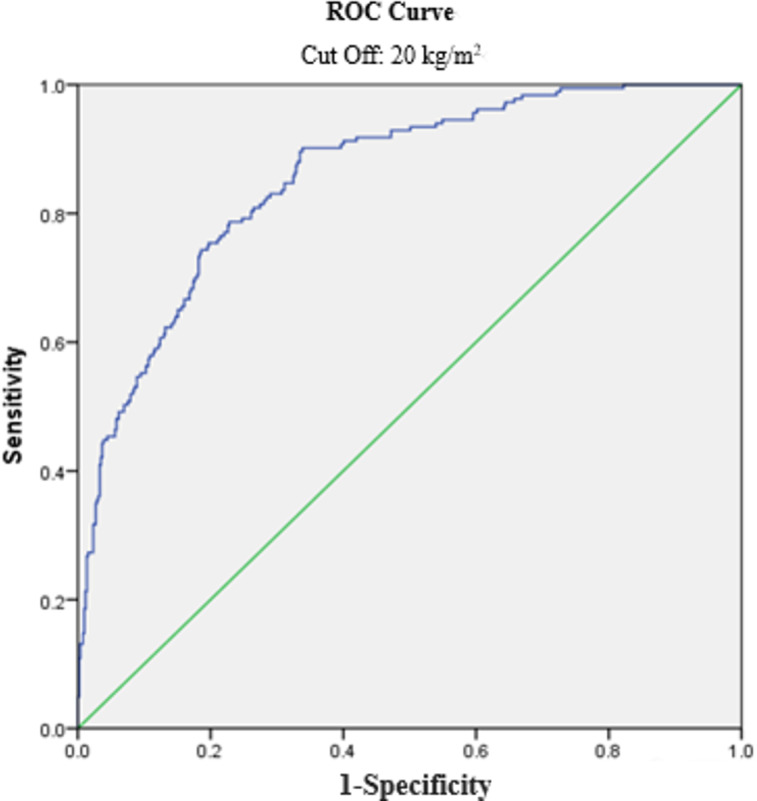
Metabolic syndrome (MS) poses substantial health risks for people living with HIV/AIDS (PLWHA). While body mass index (BMI) is a well-established predictor of MS in the general population, its association with MS in PLWHA remains poorly characterized, particularly in China. This study investigates the relationship between BMI and MS in Chinese AIDS patients, with emphasis on population-specific metabolic risk patterns and threshold deviations from general population benchmarks. We enrolled 482 hospitalized AIDS patients stratified by BMI categories: underweight (< 18.5 kg/m², n = 92), normal weight (18.5-23.9 kg/m², n = 311), and overweight/obese (≥ 24 kg/m², n = 79). MS diagnosis followed Chinese Diabetes Society (CDS) criteria. Comparative analyses of blood pressure, fasting glucose, and lipid profiles were conducted across groups. Statistical approaches included Spearman correlation for BMI-MS associations, multivariate logistic regression (adjusted for age, sex, and metabolic parameters), and ROC curve analysis to determine BMI thresholds predictive of MS. The overall MS prevalence was 8.92% (43/482), with striking disparities between groups: overweight/obese patients demonstrated 3.5-fold higher MS prevalence than normal-weight counterparts (24.1% vs. 6.8%, P < 0.001). Metabolic derangements were disproportionately elevated in the overweight/obese group, including hypertension (31.6% vs. 12.2%) and hypertriglyceridemia (44.3% vs. 21.5%, both P < 0.05). BMI showed strong positive correlations with MS diagnosis (r = 0.42, P < 0.001) and MS component burden (r = 0.38, P < 0.001). Multivariate analysis identified BMI as an independent MS predictor (adjusted OR = 1.15 per unit increase, 95% CI:1.06-1.25, P < 0.05). ROC analysis revealed a clinically relevant BMI cut-off of 20 kg/m² for MS prediction (AUC = 0.79), substantially lower than general population thresholds. This study identifies an accentuated BMI-MS relationship in Chinese PLWHA, with metabolic complications emerging at atypically low BMI values. The proposed BMI threshold of 20 kg/m² for MS risk stratification-25% below standard obesity criteria. Urgent adoption of HIV-specific metabolic screening is needed, prioritizing early BMI-guided interventions to reduce cardiovascular risks, even in non-obese individuals.
Keywords: Body mass index; China; Cut off point; HIV/AIDS; Metabolic syndrome.
© 2025. The Author(s).
Conflict of interest statement
Declarations. Competing interests: The authors declare no competing interests. Human ethics declaration: This study was conducted in accordance with the ethical standards of the institutional review board (IRB) of The Ethics Committee of Zhongnan Hospital of Wuhan University and with the 1964 Helsinki declaration and its later amendments or comparable ethical standards. The IRB approved the study protocol Consent to participate declaration: Informed consent was obtained from all individual participants included in the study. Participants were fully informed about the study’s purpose, procedures, potential risks, and benefits, and they were assured that their participation was voluntary and that they could withdraw from the study at any time without any consequences.
Figures
References
-
- Gandhi, R. T. et al. Antiretroviral drugs for treatment and prevention of HIV in adults: 2024 recommendations of the international antiviral Society-USA panel. JAMA325 (21), 21501319 (2024). - PubMed
MeSH terms
LinkOut - more resources
Full Text Sources
Medical
