


Epidemiology of surgical site infections post-cesarean section in Africa: a comprehensive systematic review and meta-analysis
- PMID: 40264037
- PMCID: PMC12016169
- DOI: 10.1186/s12884-025-07526-y
Epidemiology of surgical site infections post-cesarean section in Africa: a comprehensive systematic review and meta-analysis
Abstract
Background: Surgical site infections (SSIs) are among the most common postoperative complications following cesarean section, particularly in Africa. These infections pose maternal health risks, including prolonged hospitalization, increased healthcare costs, and mortality. This systematic review and meta-analysis aimed to evaluate the epidemiology, pooled prevalence, and risk factors for SSIs after cesarean section in Africa.
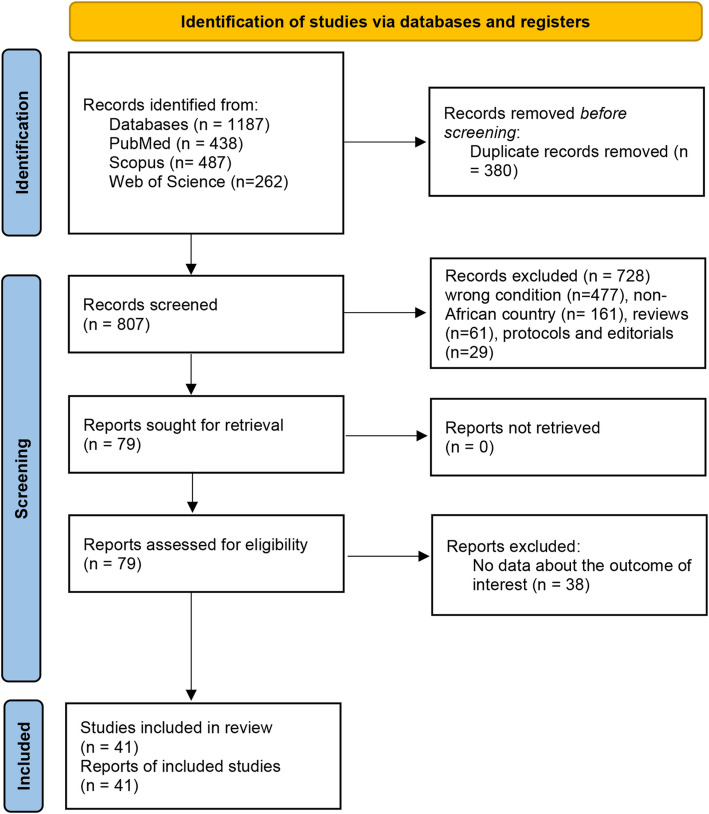
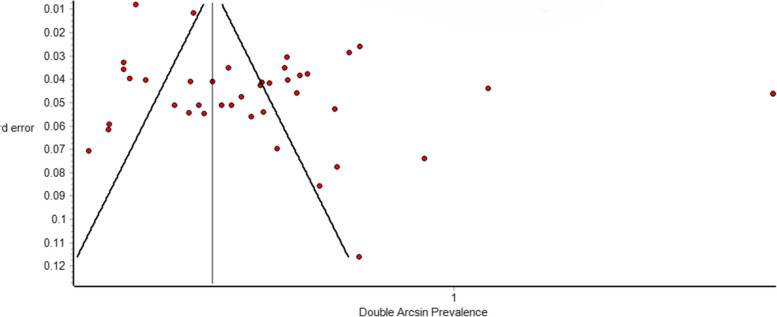
Methods: A systematic search of PubMed/MEDLINE, Scopus, and Web of Science databases was conducted to identify studies published between January 2000 and December 2023. The review followed PRISMA 2020 guidelines, and 41 studies spanning 18 African countries met the inclusion criteria. Data on SSI prevalence and risk factors were extracted, and the quality of studies was assessed using the Newcastle-Ottawa Scale. A random-effects model was used to estimate pooled prevalence, with subgroup analysis, sensitivity analyses, and meta-regression exploring variations across study characteristics. Publication bias was assessed using funnel plots.
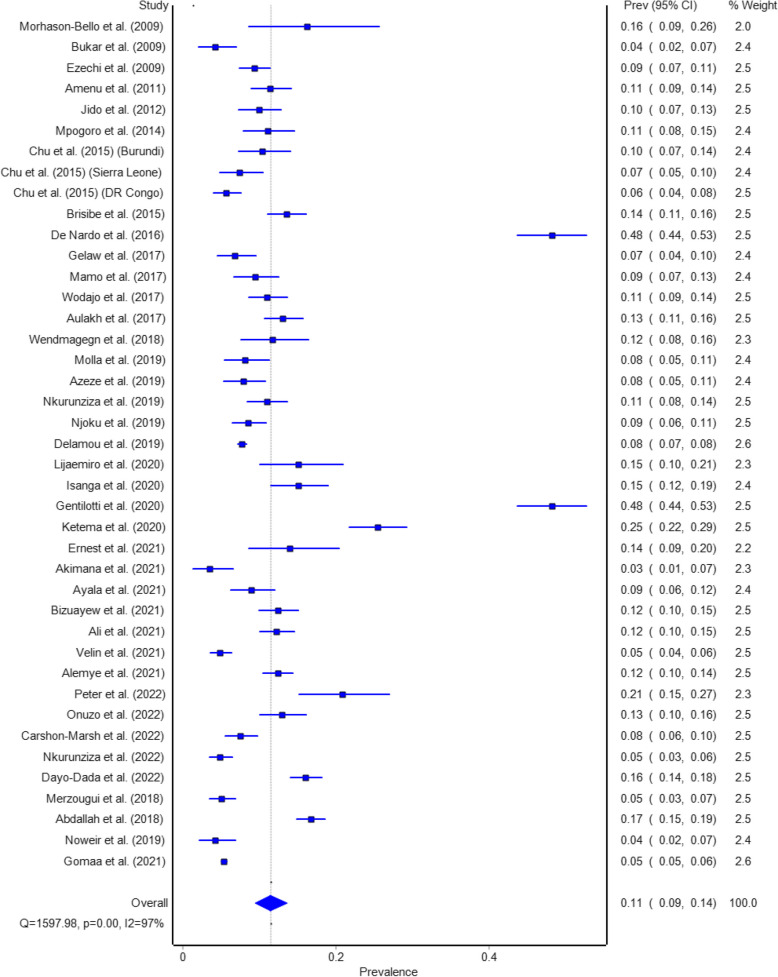
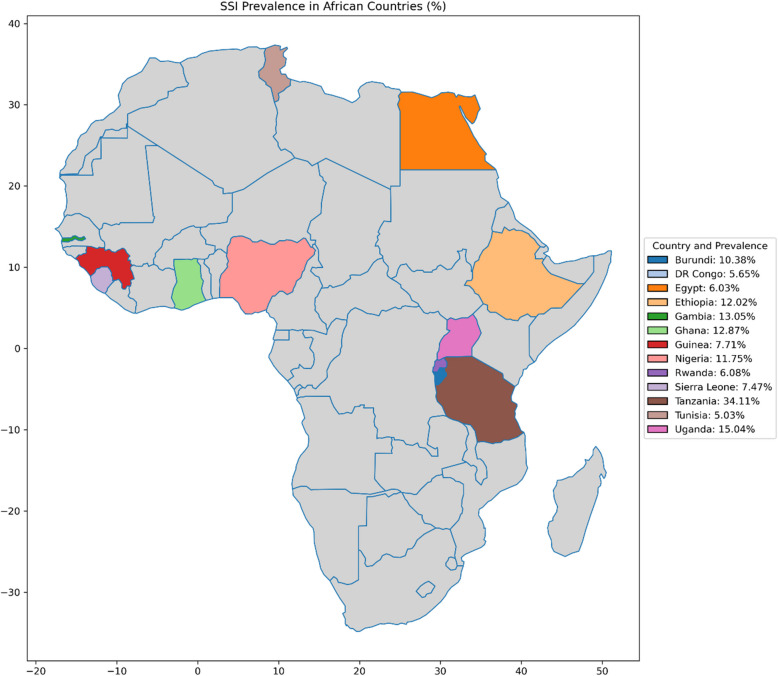
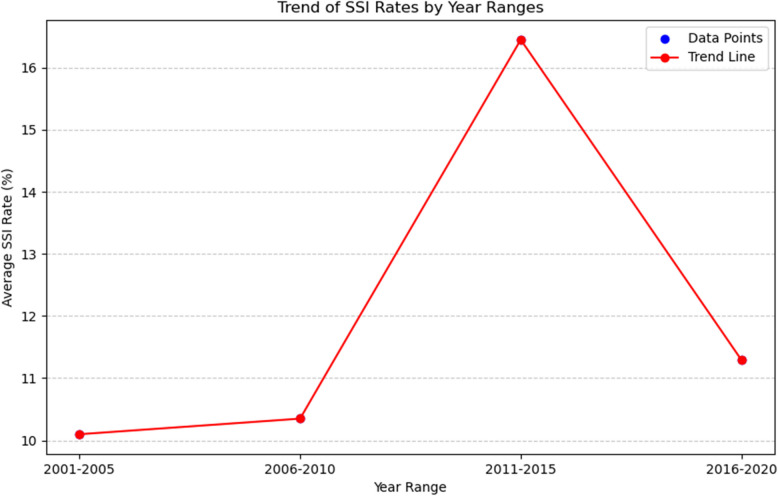
Results: The pooled prevalence of SSIs after cesarean section was 11% (95% CI: 9-12.9%) with substantial heterogeneity (I2 = 97%, < 0.001). Regional variations were observed, with the highest prevalence in Tanzania (34.1%) and Uganda (15%), and the lowest in Tunisia (5%) and Egypt (5.3%). Temporal trends revealed a peak in prevalence (16%) during 2011-2015, declining to 9.8% by 2016-2020. Prolonged rupture of membranes (PROM) was the most frequently reported risk factor (OR: 4.45-13.9), followed by prolonged labor (> 24 h) (OR: 3.48-16.17) and chorioamnionitis (OR: 4.37-9.74). Potential publication bias indicated by asymmetrical funnel plots.
Conclusion: SSIs following cesarean section remain a burden in Africa, with wide regional variations and multiple preventable risk factors. The findings highlight the need for targeted interventions, including improved infection control practices, antenatal care, and timely management of obstetric complications.
Keywords: Cesarean section; Cesarean section complications; Post operative; SSI; Surgical site infection.
© 2025. The Author(s).
Conflict of interest statement
Declarations. Ethics approval and consent participate: Not applicable. Consent for publication: Not applicable. Competing interests: The authors declare no competing interests.
Figures
References
-
- Meloni A, Loddo A, Martsidis K, Deiana SF, Porru D, Antonelli A, et al. The role of caesarean section in modern Obstetrics. Journal of Pediatric and Neonatal Individualized Medicine (JPNIM). 2012;1(1):53–8. Available from: https://jpnim.com/index.php/jpnim/article/view/010109. Cited 2024 Dec 23.
-
- Betrán AP, Merialdi M, Lauer JA, Bing-Shun W, Thomas J, Van Look P, et al. Rates of caesarean section: analysis of global, regional and national estimates. Paediatr Perinat Epidemiol. 2007;21(2):98–113. Available from: https://pubmed.ncbi.nlm.nih.gov/17302638/. Cited 2024 Dec 23. - PubMed
-
- Angolile CM, Max BL, Mushemba J, Mashauri HL. Global increased cesarean section rates and public health implications: A call to action. Health Sci Rep. 2023;6(5):e1274. Available from: https://onlinelibrary.wiley.com/doi/full/10.1002/hsr2.1274 . Cited 2024 Dec 23. - DOI - PMC - PubMed
-
- Australia’s mothers and babies 2011 - Embryology. Available from: https://embryology.med.unsw.edu.au/embryology/index.php?title=Australia%.... Cited 2024 Dec 23.
-
- Hospital Episode Statistics, Admitted Patient Care - England, 2014–15 - NHS England Digital. Available from: https://digital.nhs.uk/data-and-information/publications/statistical/hos.... Cited 2024 Dec 23.
Publication types
MeSH terms
LinkOut - more resources
Full Text Sources
Medical
Miscellaneous
