


Brosimine B and the biphasic dose-response: insights into hormesis and retinal neuroprotection
- PMID: 40264659
- PMCID: PMC12012618
- DOI: 10.3389/fphar.2025.1558726
Brosimine B and the biphasic dose-response: insights into hormesis and retinal neuroprotection
Abstract
Introduction: The biphasic dose-response behavior, also known as hormesis, is a characteristic feature of numerous natural products. It is defined by beneficial effects at low concentrations and toxicity at higher doses. This study investigates the hormetic effects of Brosimine B, a flavonoid derived from Brosimum acutifolium, on retinal cell viability under oxidative stress.
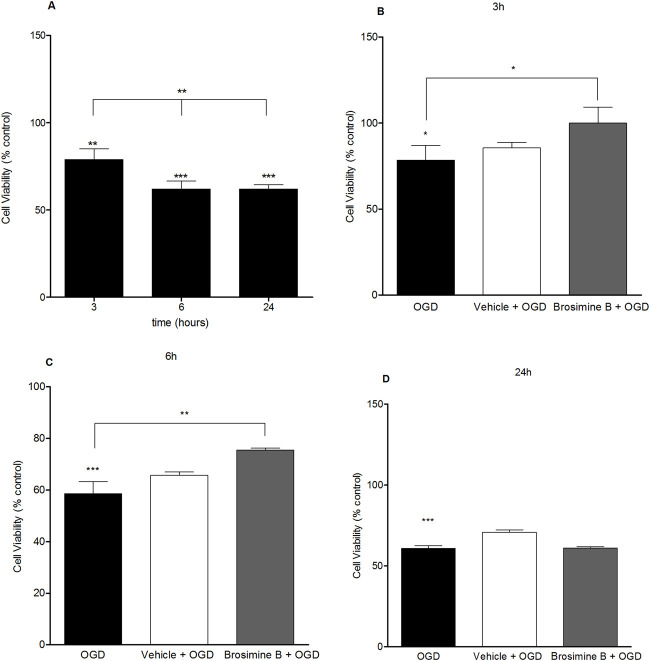
Methods: To simulate ischemic conditions, we used an oxygen-glucose deprivation (OGD) model. Retinal cells were treated with varying concentrations of Brosimine B, and analyses of cell viability, reactive oxygen species (ROS) production, and antioxidant enzyme activity were performed.
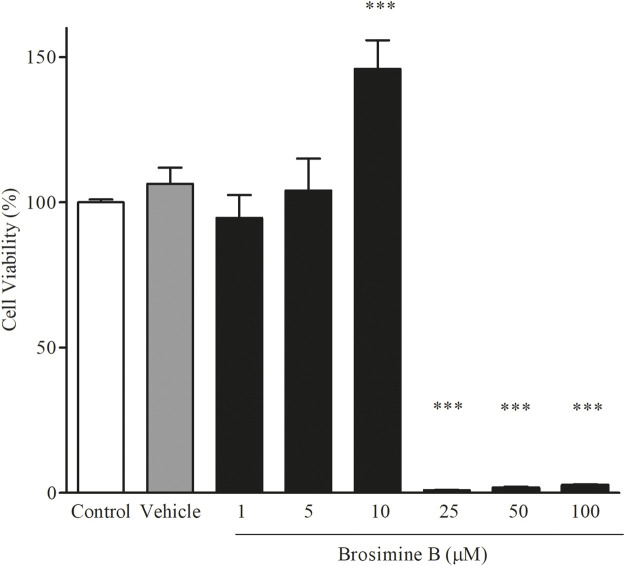
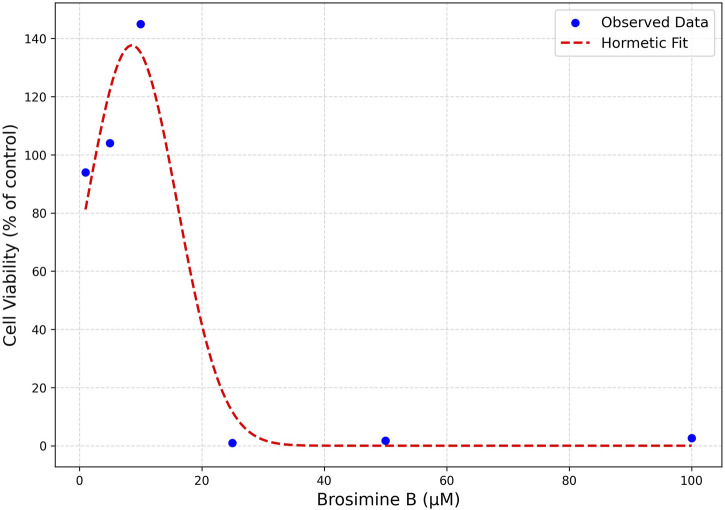
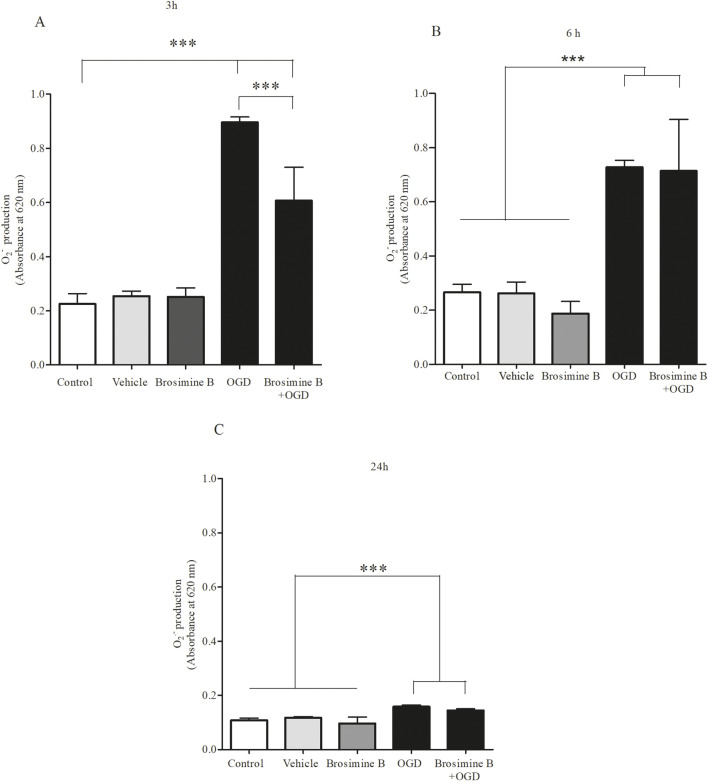
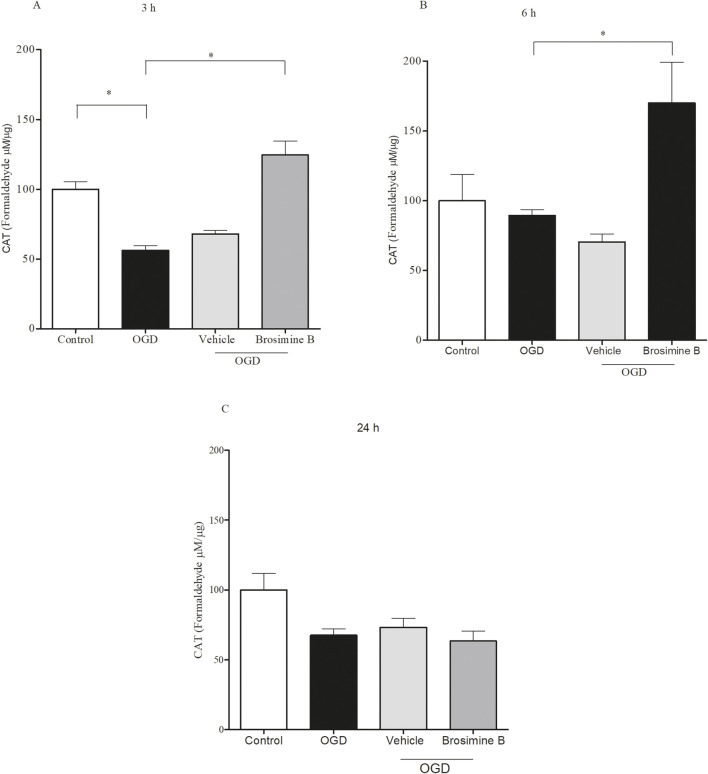
Results: Brosimine B at 10 µM significantly enhanced cell viability and reduced ROS production, likely through modulation of oxidative stress-protective enzymes such as catalase. However, higher concentrations (>10 µM) induced cytotoxic effects. A computational modeling approach using a hormetic (inverted U-shaped) model revealed biologically interpretable parameters, including a peak response at 10.2 µM and a hormetic zone width (σ = 6.5 µM) (R2 = 0.984).
Discussion: These results confirm that Brosimine B exhibits hormetic neuroprotective effects within a well-defined concentration window, supporting its potential as a therapeutic agent for oxidative stress-related retinal damage. The study highlights the value of computational modeling in optimizing dose-response analyses, offering a framework for refining natural product therapies and predicting toxicological thresholds in pharmacological applications.
Keywords: Brosimine b; antioxidant; hormesis; natural products; neuroprotection; oxidative stress; retinal cell.
Copyright © 2025 Fonseca, S. Port’s, Aguiar, Botelho, Couto, Pinheiro, Khayat, Yamada, Costa, Sena, Arruda, Bahia and Pereira.
Conflict of interest statement
The authors declare that the research was conducted in the absence of any commercial or financial relationships that could be construed as a potential conflict of interest.
Figures
References
-
- Belecky-Adams L., Haynes T., Wilson M., Del Rio-Tsonis K. (2008). “Chapter 8 - the chick as a model for retina development and regeneration,” in Animal models in eye research. Editor Tsonis P. A. (London: Academic Press; ), 102–119.
LinkOut - more resources
Full Text Sources
