


Smartphones and Web 2.0. interventions for weight management
- PMID: 40276568
- PMCID: PMC12018450
- DOI: 10.3389/fdgth.2025.1497680
Smartphones and Web 2.0. interventions for weight management
Abstract
Introduction: This systematic review and meta-analysis examine the effectiveness of smartphone and Web 2.0 interventions for weight management compared to traditional control interventions. The potential of smartphones and Web 2.0. technologies to transform health care and clinical intervention in the community are tremendous. This potential is incredibly increased by increasing adoption rates for smartphones and internet technologies.
Methodology: Ten randomized control trials published between 2015 and 2024 searched through PubMed and ScienceDirect were included. All studies with open access that assessed a smartphone or app intervention compared to a control group in randomized control trials, with weight-related body measures (i.e., body weight, BMI, waist circumference) and physical activity changes (steps/day) expressed in terms of mean and standard deviation performed in a population of adults were included. Review Manager software, version 5.4 (The Nordic Cochrane Centre, The Cochrane Collaboration) was used for statistical analysis.
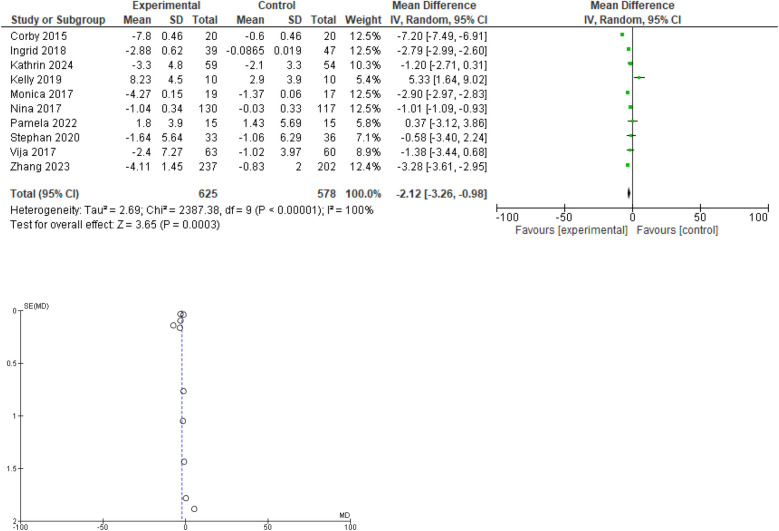
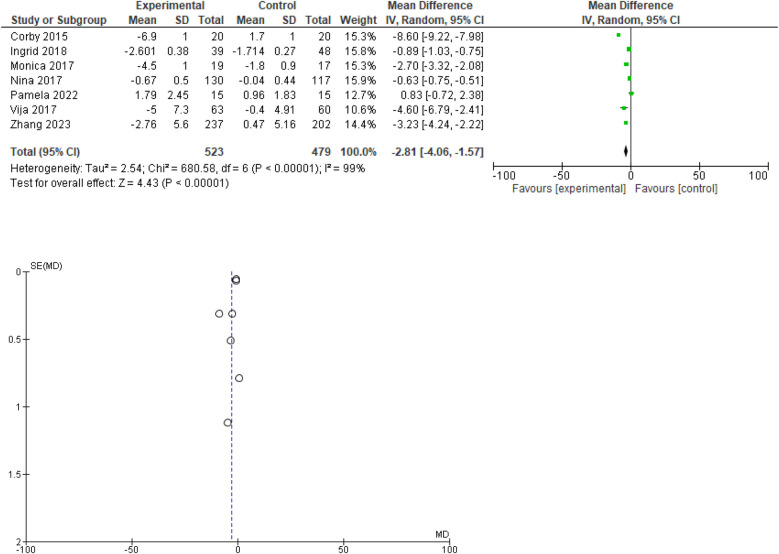
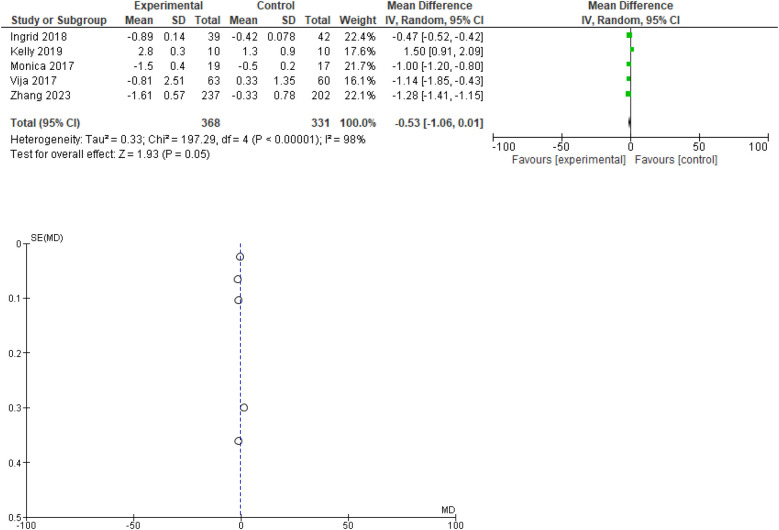
Results: The results of our study indicate that digital interventions, particularly those utilizing direct communication methods like text messages and social media, significantly promote weight loss and reduce waist circumference (mean difference of -2.12 and -2.81 for weight change and waist circumstances respectively). While reductions in body mass index (BMI) with mean difference of -0.53 were less pronounced, they still favored intervention groups. Subgroup analyses performed to find out the source of heterogeneity revealed that three-arm randomized control trials, studies with larger sample sizes, and interventions lasting around six months showed more consistent and significant effects whereas for sensitivity analysis no significant change in heterogeneity was observed for all parameters. High heterogeneity among studies suggests the need for standardized study designs and intervention protocols in future research.
Conclusions: Despite limitations such as technological issues and engagement variability, these findings underscore the potential of digital health interventions in addressing the global burden of obesity and related non-communicable diseases.
Keywords: BMI; Web 2.0; intervention; smartphone; waist circumference; weight management.
© 2025 Khan, Liaqat, Altokhais, Alotaibi, Sadiq, Rehman, Allana and Tahir.
Conflict of interest statement
The authors declare that the research was conducted in the absence of any commercial or financial relationships that could be construed as a potential conflict of interest.
Figures


References
-
- CDC- Centers for Disease Control and Prevention. About Healthy Weight and Growth | Healthy Weight and Growth | CDC. Available at: https://www.cdc.gov/healthy-weight-growth/about/index.html (Accessed May 20, 2024).
-
- National Institute of Diabetes and Digestive and Kidney Disease. Understanding Adult Overweight & Obesity - NIDDK. Available at: https://www.niddk.nih.gov/health-information/weight-management/adult-ove... (Accessed May 20, 2024).
-
- Abbafati C, Abbas KM, Abbasi-Kangevari M, Abd-Allah F, Abdelalim A, Abdollahi M, et al. Global burden of 87 risk factors in 204 countries and territories, 1990–2019: a systematic analysis for the global burden of disease study 2019. Lancet. (2020) 396(10258):1223–49. 10.1016/S0140-6736(20)30752-2 - DOI - PMC - PubMed
Publication types
LinkOut - more resources
Full Text Sources
