


Striatal functional connectivity associated with Sahaja Yoga meditation
- PMID: 40281041
- PMCID: PMC12032267
- DOI: 10.1038/s41598-025-98256-w
Striatal functional connectivity associated with Sahaja Yoga meditation
Abstract
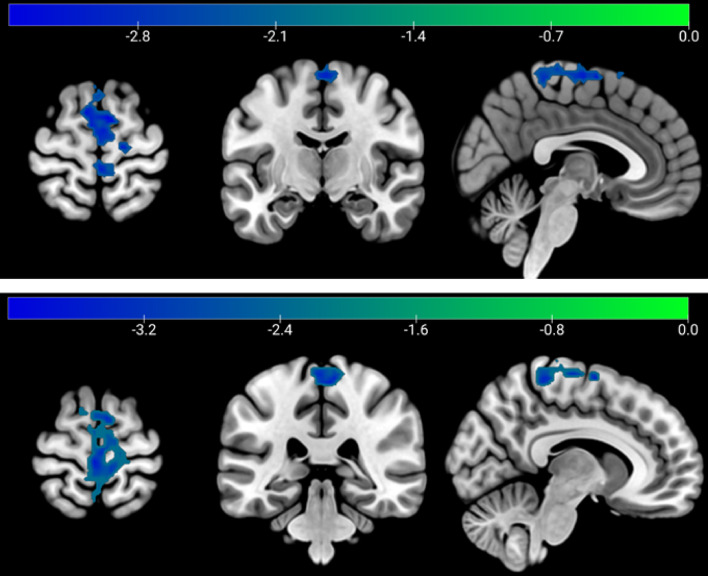
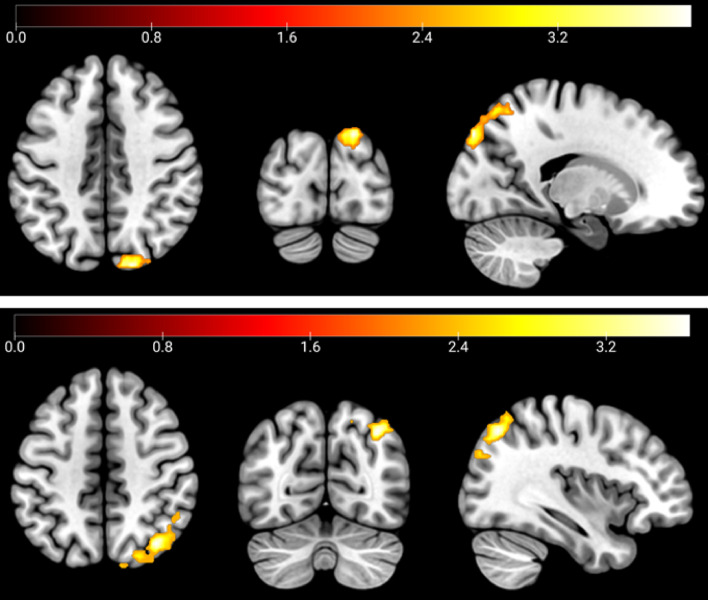
Neuroscience research has associated meditation practice with effects on cognitive, motivational and emotional processes. These processes are mediated by several brain circuits, including the striatum and its associated cortical connections. The aim of this study was to focus on the striatum and test how its functional connectivity is affected in long-term practitioners of Sahaja Yoga Meditation. We studied differences between resting and meditation states in a group of 23 Sahaja Yoga Meditation experts. We also compared the resting state between meditation experts and a control group of 23 non-meditating participants. Functional connectivity contrasts between conditions and groups were performed using seeds in the dorsal and ventral striatum (caudate, putamen and nucleus accumbens). During meditation, compared to the resting state, meditators showed altered connectivity between the striatum and parietal, sensorimotor and cerebellar regions. Resting state in meditators relative to that of controls showed reduced functional connectivity between the left accumbens and the mid cingulate, which was correlated with reduced Simon Task interference reaction time effect in meditators. In conclusion, the striatum may play a pivotal role in the practice of Sahaja Yoga Meditation by altering attention and self-referencing, and by modulating bodily sensations. Furthermore, meditation practice could produce long-term changes in striatal connectivity.
Keywords: Attention; Functional connectivity; Interference inhibition; Mental silence; Resting state; Sahaja yoga meditation.
© 2025. The Author(s).
Conflict of interest statement
Declarations. Competing interests: The authors declare no competing interests.
Figures



References
MeSH terms
Grants and funding
LinkOut - more resources
Full Text Sources
