


Prediction of Clavien Dindo Classification ≥ Grade III Complications After Epithelial Ovarian Cancer Surgery Using Machine Learning Methods
- PMID: 40282986
- PMCID: PMC12028651
- DOI: 10.3390/medicina61040695
Prediction of Clavien Dindo Classification ≥ Grade III Complications After Epithelial Ovarian Cancer Surgery Using Machine Learning Methods
Abstract
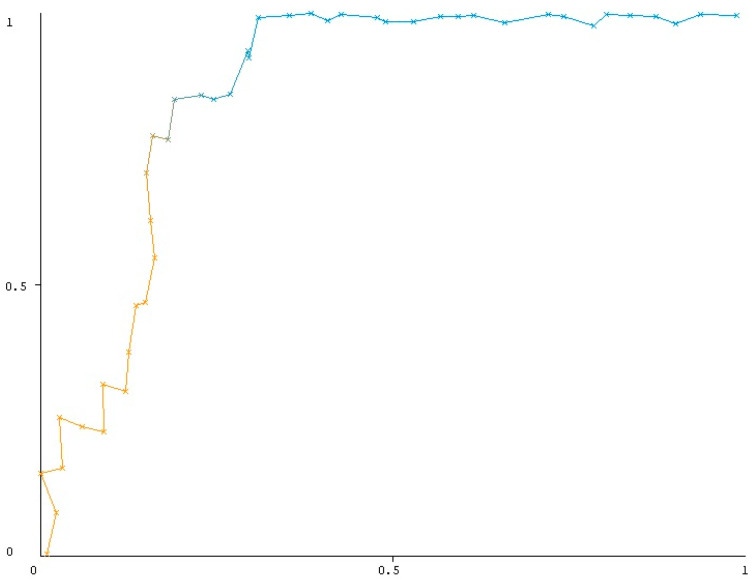
Background and Objectives: Ovarian cancer surgery requires multiple radical resections with a high risk of complications. The aim of this single-centre, retrospective study was to determine the best method for predicting Clavien-Dindo grade ≥ III complications using machine learning techniques. Material and Methods: The study included 179 patients who underwent surgery at the gynaecological oncology department of Antalya Training and Research Hospital between January 2015 and December 2020. The data were randomly split into training set n = 134 (75%) and test set n = 45 (25%). We used 49 predictors to develop the best algorithm. Mean absolute error, root mean squared error, correlation coefficients, Mathew's correlation coefficient, and F1 score were used to determine the best performing algorithm. Cohens' kappa value was evaluated to analyse the consistency of the model with real data. The relationship between these predicted values and the actual values were then summarised using a confusion matrix. True positive (TP) rate, False positive (FP) rate, precision, recall, and Area under the curve (AUC) values were evaluated to demonstrate clinical usability and classification skills. Results: 139 patients (77.65%) had no morbidity or grade I-II CDC morbidity, while 40 patients (22.35%) had grade III or higher CDC morbidity. BayesNet was found to be the most effective prediction model. No dominant parameter was observed in the Bayesian net importance matrix plot. The true positive (TP) rate was 76%, false positive (FP) rate was 15.6%, recall rate (sensitivity) was 76.9%, and overall accuracy was 82.2% A receiver operating characteristic (ROC) analysis was performed to estimate CDC grade ≥ III. AUC was 0.863 with a statistical significance of p < 0.001, indicating a high degree of accuracy. Conclusions: The Bayesian network model achieved the highest accuracy compared to all other models in predicting CDC Grade ≥ III complications following epithelial ovarian cancer surgery.
Keywords: Bayesian network model; Clavien–Dindo classification; artificial intelligence; diagnosis; machine learning models; ovarian cancer surgery.
Conflict of interest statement
The authors declare no conflict of interest.
Figures
References
-
- PDQ Adult Treatment Editorial Board . PDQ Cancer Information Summaries. National Cancer Institute (US); Bethesda, MD, USA: 2024. Mar 14 OE, Fallopian Tube, and Primary Peritoneal Cancer Treatment (PDQ®): Health Professional Version.
-
- Eisenkop S.M., Spirtos N.M., Friedman R.L., Lin W.-C.M., Pisani A.L., Perticucci S. Relative influences of tumor volume before surgery and the cytoreductive outcome on survival for patients with advanced ovarian cancer: A prospective study. Gynecol. Oncol. 2003;90:390–396. doi: 10.1016/S0090-8258(03)00278-6. - DOI - PubMed
MeSH terms
LinkOut - more resources
Full Text Sources
Medical
