


Effects of Chicken Protein Hydrolysate as a Protein Source to Partially Replace Chicken Meal on Gut Health, Gut Microbial Structure, and Metabolite Composition in Cats
- PMID: 40284890
- PMCID: PMC12031455
- DOI: 10.3390/vetsci12040388
Effects of Chicken Protein Hydrolysate as a Protein Source to Partially Replace Chicken Meal on Gut Health, Gut Microbial Structure, and Metabolite Composition in Cats
Abstract
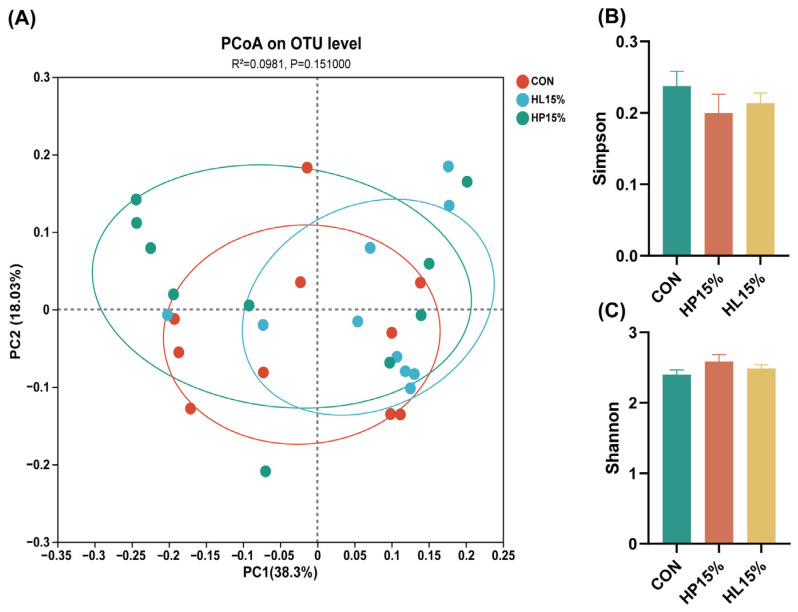
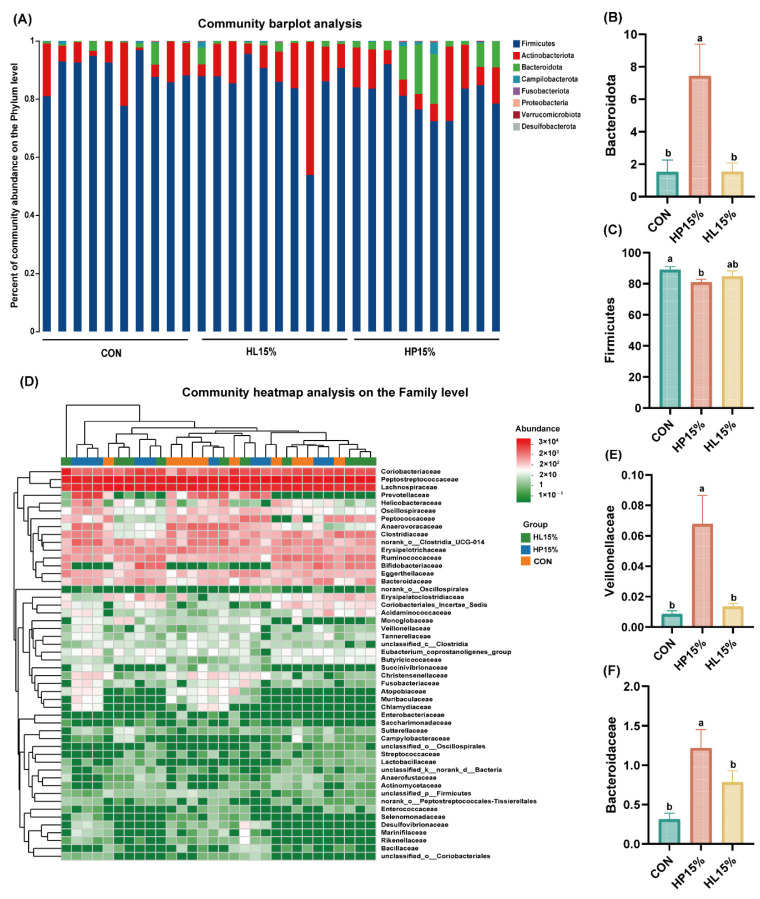
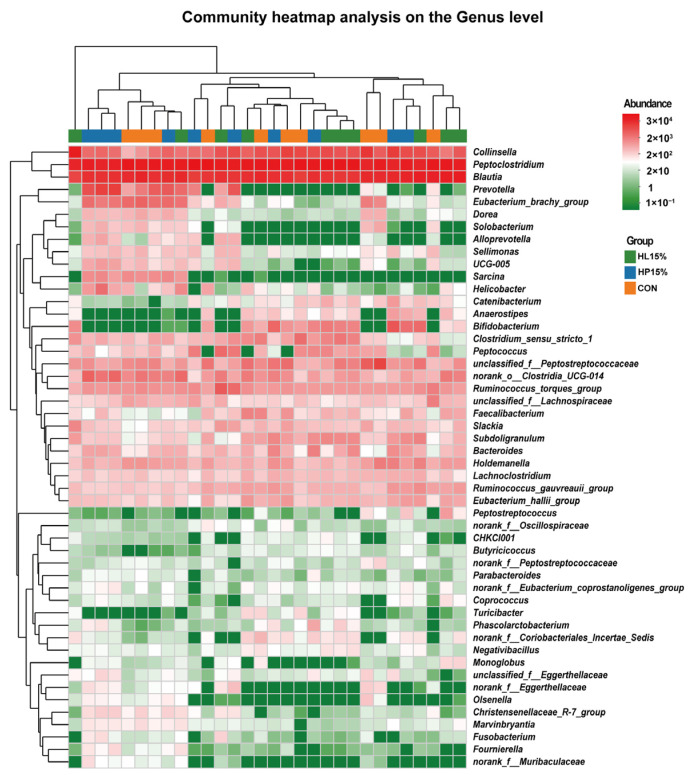
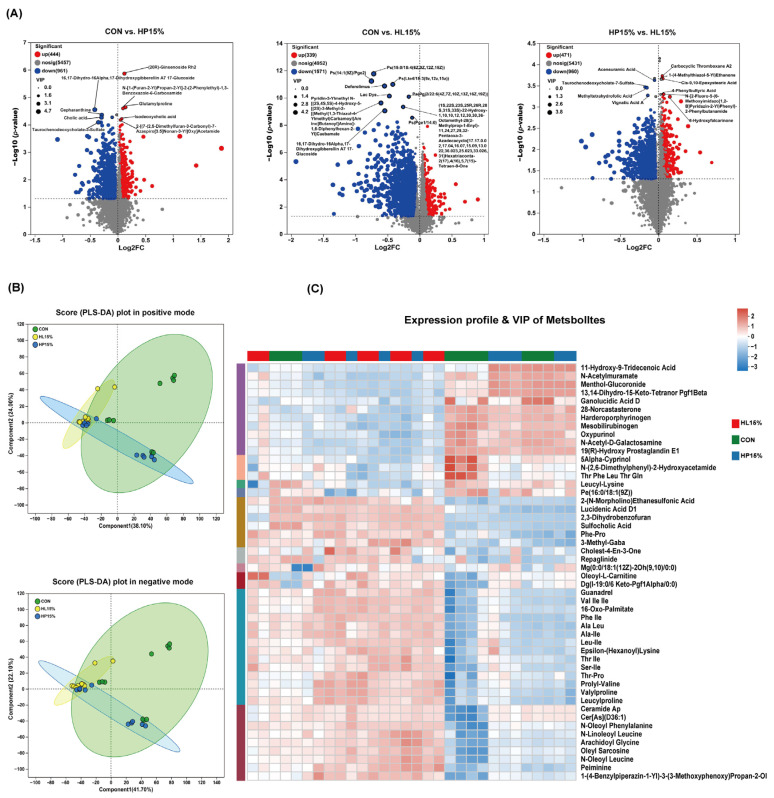
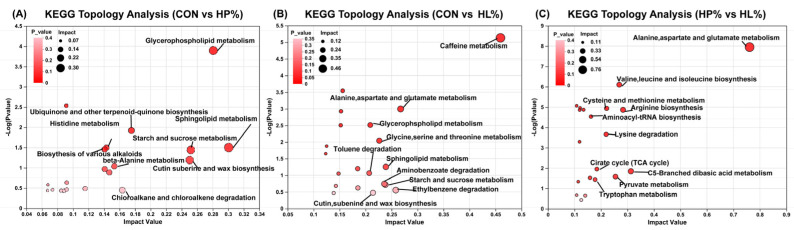
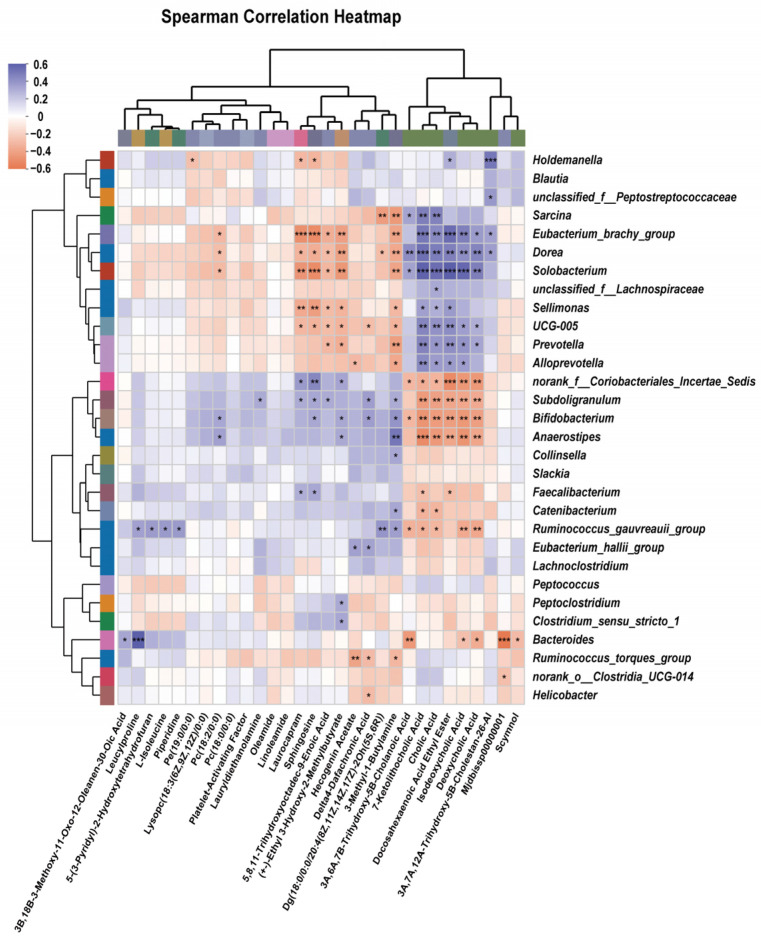
Protein hydrolysates positively affect intestinal function in both humans and animals, but their impact on gut health and the gut microbial profile in cats has not been thoroughly investigated. In this study, a total of 30 adult cats were randomly assigned to one of three dietary treatments for a 60-day feeding trial. The three dietary treatments were as follows: (1) basal diet (CON), (2) diet containing 15% powdered chicken protein hydrolysate (HP15%), and (3) diet containing 15% liquid chicken protein hydrolysate (HL15%). Compared to the CON group, the HP15% group had a decreased calprotectin levels and fecal gases emissions (p < 0.05). A higher abundance of Bacteroidota, Veillonellaceae, and Bacteroidaceae, while a lower abundance of Firmicutes was showed in the HL15% group than that in the CON group (p < 0.05). At the genus level, compared with the CON group, an increased abundance of Bacteroides spp. and Bifidobacterium spp. was showed, whereas a reduced abundance of Alloprevotella spp. was presented in the HP15% and HL15% groups (p < 0.05). The metabolomic analysis revealed 1405 distinct metabolites between the HP15% and CON groups (p < 0.05, VIP-pred-OPLS-DA > 1), and the level of cholic acid decreased while the level of isodeoxycholic acid increased in the HP15% group (p < 0.05). The metabolomic analysis revealed 1910 distinct metabolites between the HL15% and CON groups (p < 0.05, VIP-pred-OPLS-DA > 1), and the levels of 4-coumaryl alcohol and enterolactone increased in the HL15% group (p < 0.05). In summary, this study suggested that partially replacing chicken meat with chicken protein hydrolysate in the diet of cats helps regulate the gut microbial community and metabolite profile and improves intestinal health.
Keywords: companion animal; gut health; gut microbial community; metabolite profile; protein hydrolysate.
Conflict of interest statement
Author F.H., D.L., and A.S. are employed by Jiangxi Wing Biotechnology Co., Ltd. The remain authors declare that the research was conducted in the absence of any commercial or financial relationships that could be construed as a potential conflict of interest.
Figures


References
-
- Beaubier S., Pineda-Vadillo C., Mesieres O., Framboisier X., Galet O., Kapel R. Improving the in Vitro Digestibility of Rapeseed Albumins Resistant to Gastrointestinal Proteolysis While Preserving the Functional Properties Using Enzymatic Hydrolysis. Food Chem. 2023;407:135132. doi: 10.1016/j.foodchem.2022.135132. - DOI - PubMed
Grants and funding
LinkOut - more resources
Full Text Sources
Miscellaneous
