


Global burden of hypertensive heart disease and attributable risk factors, 1990-2021: insights from the global burden of disease study 2021
- PMID: 40287533
- PMCID: PMC12033261
- DOI: 10.1038/s41598-025-99358-1
Global burden of hypertensive heart disease and attributable risk factors, 1990-2021: insights from the global burden of disease study 2021
Abstract
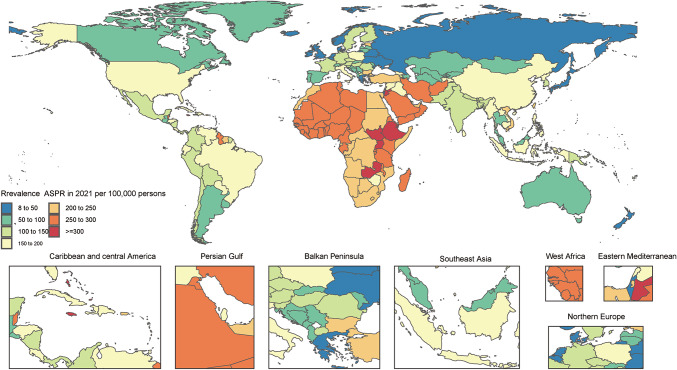
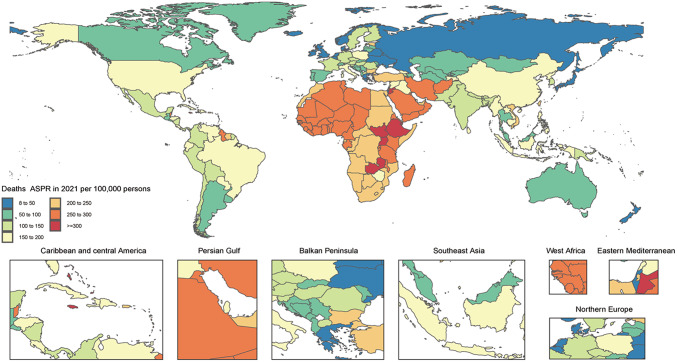
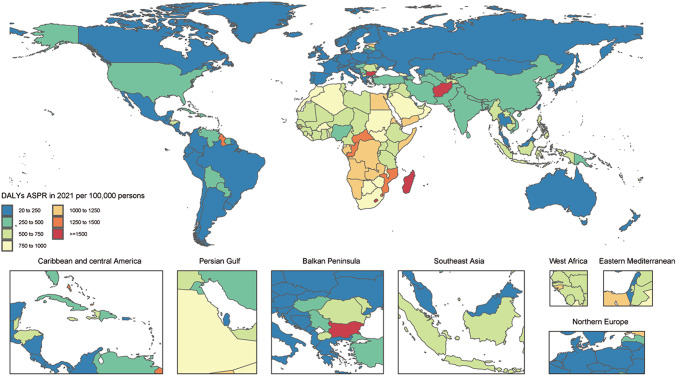
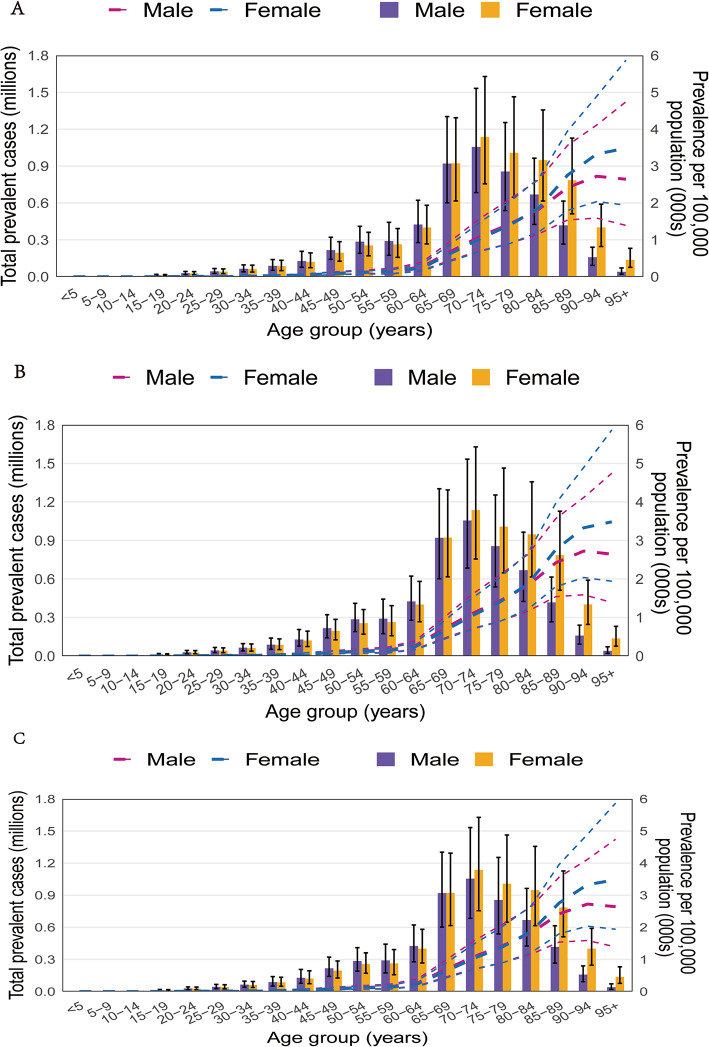
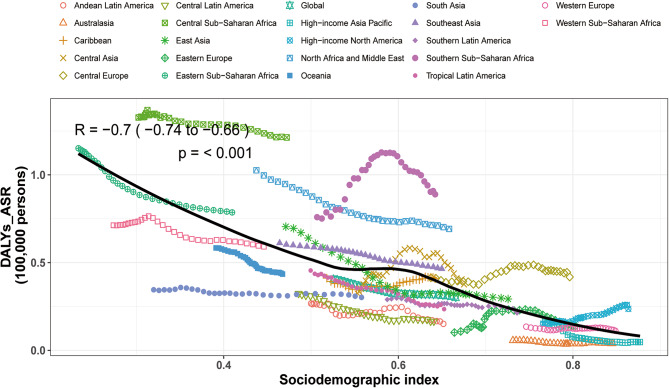
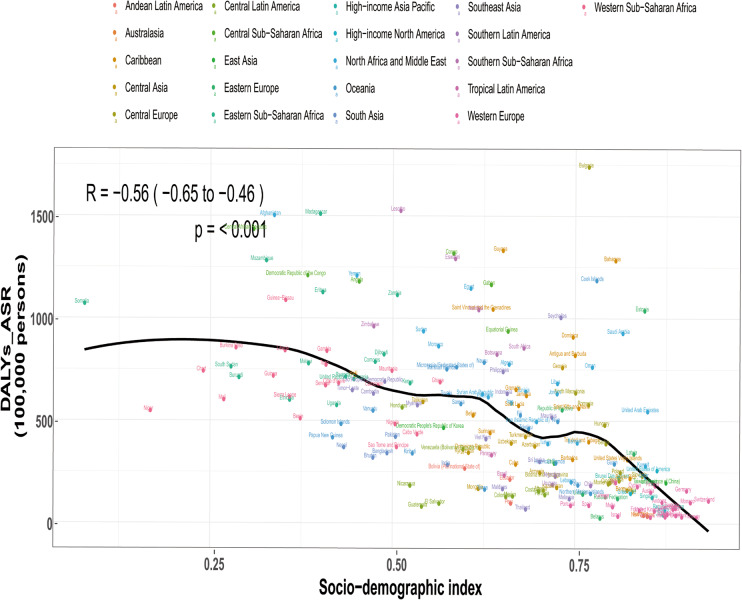
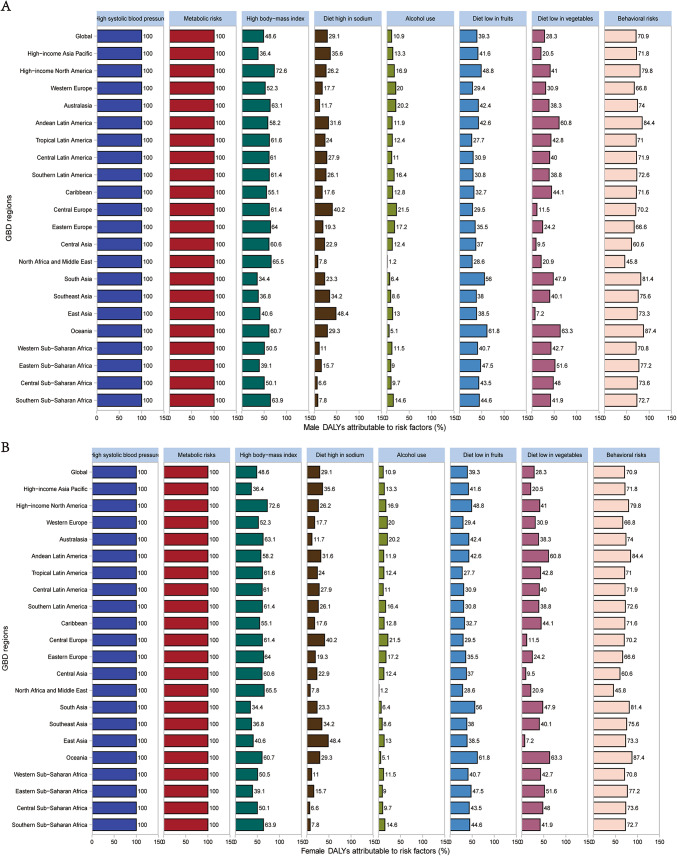
Hypertensive heart disease (HHD) significantly contributes to global morbidity and mortality, worsened by rising hypertension rates. This study aims to assess the burden of HHD from 1990 to 2021, analyzing prevalence, mortality, and disability-adjusted life years (DALYs) stratified by age, sex, and Sociodemographic Index (SDI). Utilizing data from the Global Burden of Disease 2021 project across 204 countries and 21 regions, the study calculated age-standardized rates and evaluated risk factors for prevention priorities. In 2021, there were 12.5 million HHD cases globally, resulting in 1.332 million deaths and 25.4622 million DALYs. Age-standardized rates were 148.3 for prevalence, 16.3 for deaths, and 301.6 for DALYs per 100,000 people, reflecting increases of 18.2% for prevalence but decreases for deaths (- 22%) and DALYs (- 25.8%) since 1990. Eastern Sub-Saharan Africa recorded the highest prevalence (291.8), while Bulgaria had the highest mortality (103.4) and DALY rates (1739.3). Age-specific trends showed that prevalence, deaths, and DALYs increased with age across genders, and at regional levels, DALYs decreased with higher SDI. Major contributing factors included high systolic blood pressure, metabolic risks, high body-mass index, unhealthy diet, alcohol use, and low fruit and vegetable intake. Despite advances in management, HHD remains a global health concern, especially in low-SDI areas. Efforts focused on modifiable risks, like hypertension control and dietary improvements, are essential to mitigate the burden of HHD.
© 2025. The Author(s).
Conflict of interest statement
Declarations. Competing interests: The authors declare no competing interests. Ethics approval and consent to participate: The University of Washington Institutional Review Board waived the requirement for informed consent to access the GBD data. This research adhered to the Guidelines for Accurate and Transparent Health Estimates Reporting (GATHER).
Figures
References
MeSH terms
Grants and funding
LinkOut - more resources
Full Text Sources
Medical
