Candidalysin biology and activation of host cells
- PMID: 40293285
- PMCID: PMC12153327
- DOI: 10.1128/mbio.00603-24
Candidalysin biology and activation of host cells
Abstract
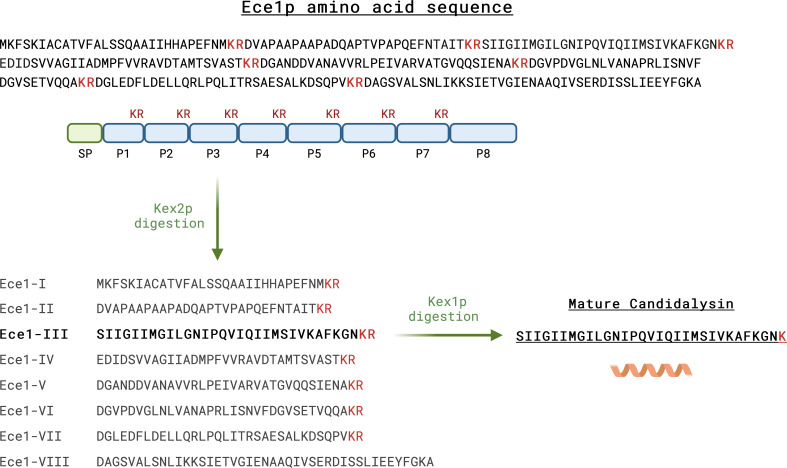
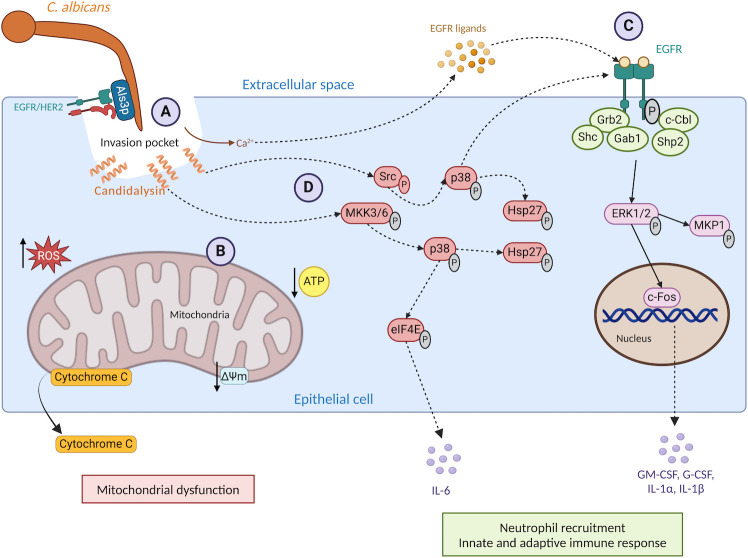
Candida albicans is an opportunistic fungal pathogen that can cause life-threatening systemic infections and distressing mucosal infections. A major breakthrough in understanding C. albicans pathogenicity was the discovery of candidalysin, the first cytolytic peptide toxin identified in a human pathogenic fungus. Secreted by C. albicans hyphae and encoded by the ECE1 gene, this 31-amino acid peptide integrates into and permeabilizes host cell membranes, causing damage across diverse cell types. Beyond its cytolytic activity, candidalysin can trigger potent innate immune responses in epithelial cells, macrophages, and neutrophils. Additionally, candidalysin plays a key role in nutrient acquisition during infection. This review explores the biology of candidalysin, its role in host cell activation, and extends the discussion to non-candidalysin Ece1p peptides, shedding light on their emerging significance.
Keywords: Candida albicans; candidalysin; fungal infection; immune mechanisms; toxins.
Conflict of interest statement
The authors declare no conflict of interest.
Figures
References
Publication types
MeSH terms
Substances
Grants and funding
LinkOut - more resources
Full Text Sources