


The effect of systematic antidepressant treatments in the early stages on sleep and impulsivity in bipolar euthymic patients: A cross-sectional study
- PMID: 40300003
- PMCID: PMC12040253
- DOI: 10.1371/journal.pone.0322274
The effect of systematic antidepressant treatments in the early stages on sleep and impulsivity in bipolar euthymic patients: A cross-sectional study
Abstract
Background and objectives: Due to early misdiagnosis, bipolar patients who had a depressive episode as their initial onset often received systematic antidepressant treatments and continued to suffer from sleep disturbances and elevated impulsivity, even during euthymic state. The study aims to assess the effect of systematic antidepressant treatments in the early stages on sleep and impulsivity in bipolar euthymic patients, and further explore the potential mediating role of sleep in the relationship between early antidepressant uses and impulsivity.
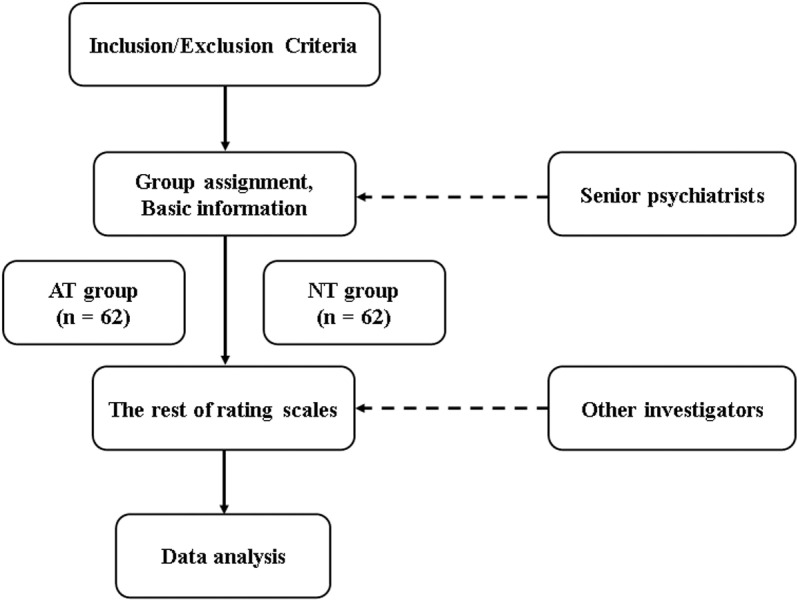
Methods: A total of 124 bipolar euthymic patients were enrolled. Based on the early use of antidepressants, patients were divided into AT group (systematic antidepressant treatment group) and NT group (no systematic antidepressant treatment group). Sleep quality and impulsivity were assessed using Pittsburgh Sleep Quality Index and Barratt Impulsivity Scale Questionnaire version 11, respectively. Statistical analyses were conducted using the t-test, Chi-square test, and Mann-Whitney U test, and mediation analysis was performed using bootstrapping.
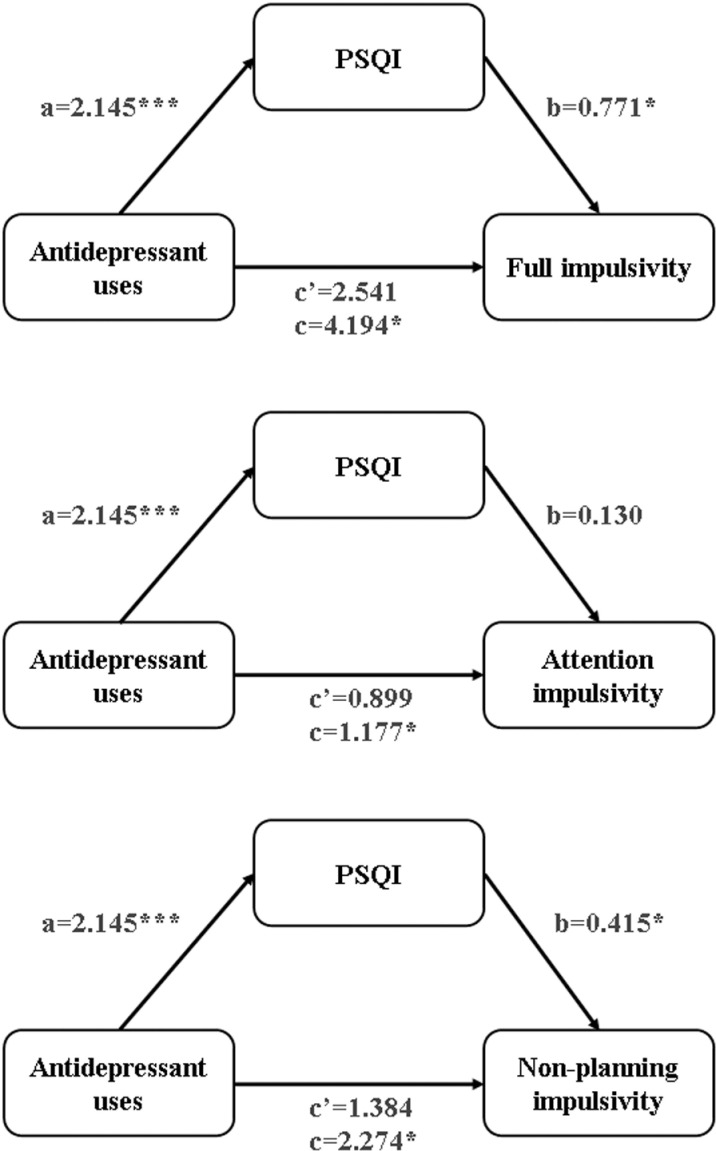
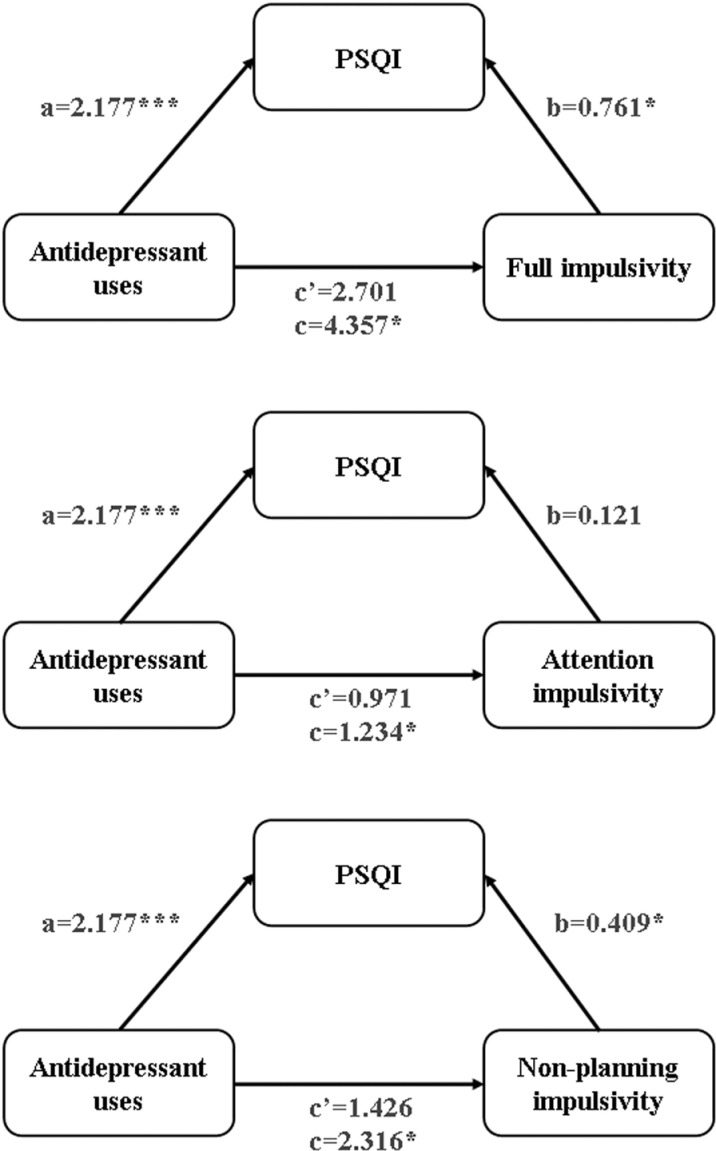
Results: Patients in the AT group showed poorer sleep quality and higher impulsivity than those in the NT group. Patients' sleep quality was positively correlated with impulsivity. Sleep quality mediated the relationship between antidepressant uses and impulsivity, including both overall impulsivity and non-planning impulsivity.
Conclusions: This study suggests a correlation between early-stage antidepressant use, sleep quality, and impulsivity of bipolar euthymic patients, highlighting the importance of early diagnosis of bipolar disorder and appropriate antidepressant prescriptions. Furthermore, improving sleep quality would be effective in reducing the risk of impulsive behaviors.
Copyright: © 2025 Wang et al. This is an open access article distributed under the terms of the Creative Commons Attribution License, which permits unrestricted use, distribution, and reproduction in any medium, provided the original author and source are credited.
Conflict of interest statement
The authors have declared that no competing interests exist.
Figures
References
-
- Titone MK, Goel N, Ng TH, MacMullen LE, Alloy LB. Impulsivity and sleep and circadian rhythm disturbance predict next-day mood symptoms in a sample at high risk for or with recent-onset bipolar spectrum disorder: An ecological momentary assessment study. J Affect Disord. 2022;298(Pt A):17–25. doi: 10.1016/j.jad.2021.08.155 - DOI - PMC - PubMed
MeSH terms
Substances
LinkOut - more resources
Full Text Sources
Medical
Research Materials
