


A cross-sectional study on peroneal muscle echogenicity changes and their effects on balance functions in individuals with chronic ankle instability
- PMID: 40301438
- PMCID: PMC12041604
- DOI: 10.1038/s41598-025-00175-3
A cross-sectional study on peroneal muscle echogenicity changes and their effects on balance functions in individuals with chronic ankle instability
Abstract
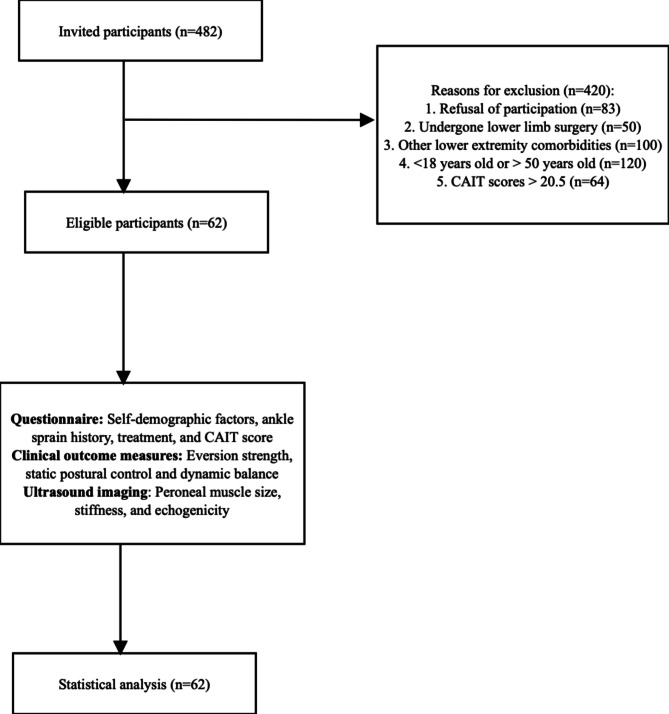
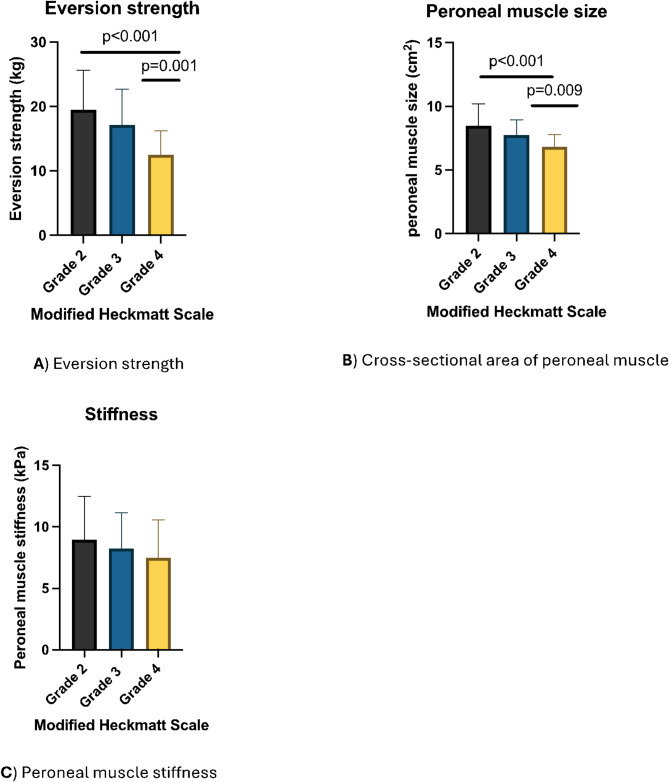
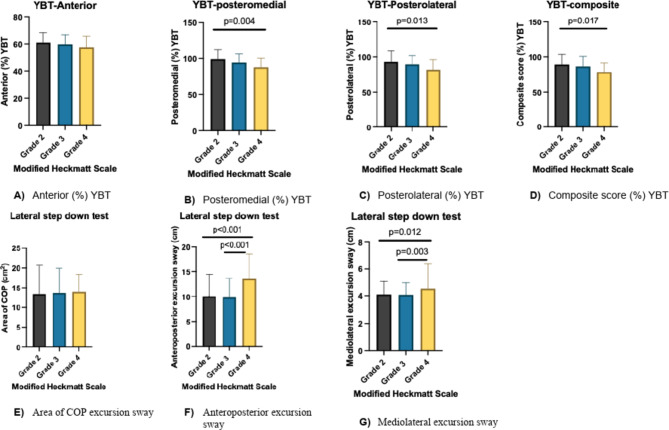
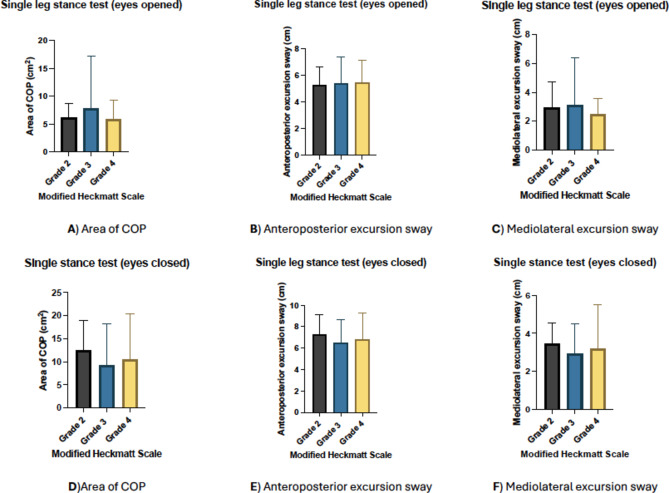
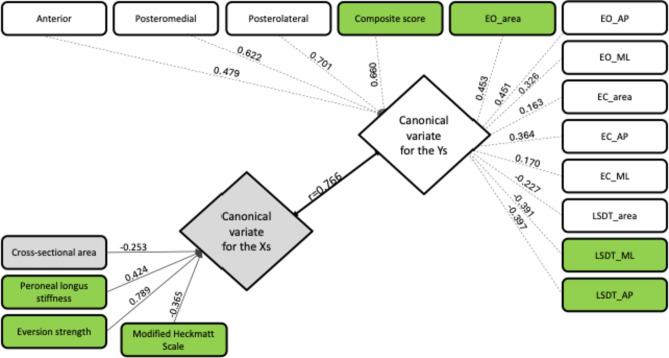
This study investigated the relationship between peroneal muscle echogenicity and balance function in individuals with chronic ankle instability (CAI). While prior research has examined peroneal muscle activity, reaction time, and balance, the impact of echogenicity-an indicator of myosteatosis/fibrosis-remained underexplored. Cross-sectional study. Sixty-two adults with CAI were included. Peroneal muscle size, echogenicity, and stiffness were assessed using ultrasound. Dynamic balance was evaluated via the Y balance test (YBT), and static postural control was evaluated during lateral step-down (LSDT) and single-leg stance test (SLST). Eversion strength was assessed with a dynamometer. The relationship between muscle characteristics and balance was assessed using canonical correlation and stepwise linear regression. Individuals with increased peroneal muscle echogenicity had reduced muscle size, poorer eversion strength, and poorer balance. Eversion strength is positively associated with YBT scores across all echogenicity levels and negatively associated with posture parameters during the LSDT in moderate echogenicity. Peroneal longus stiffness was positively associated with YBT in severe echogenicity and posture parameters during the SLST. Increased peroneal muscle echogenicity is associated with poorer eversion strength and stiffness, resulting in poorer balance performance. Improving the peroneal muscle quality may enhance functions in the CAI condition.
Keywords: Ankle instability; Dynamic balance; Peroneal muscle; Postural control stability.
© 2025. The Author(s).
Conflict of interest statement
Declarations. Competing interests: The authors declare no competing interests. Ethical approval: This study has been approved by the CUHK-NTEC clinical research committee with reference number 2022.263-T. The data have not been communicated to a third party.
Figures
References
-
- Raeder, C., Tennler, J., Praetorius, A., Ohmann, T. & Schoepp, C. Delayed functional therapy after acute lateral ankle sprain increases subjective ankle instability - the later, the worse: a retrospective analysis. BMC Sports Sci. Med. Rehabil. 13, 86. 10.1186/s13102-021-00308-x (2021). - DOI - PMC - PubMed
-
- Fong, D. T., Hong, Y. & Chan, L. A systematic review on ankle injury and ankle sprain in sports. Sport Med.37. 10.2165/00007256-200737010-00006 (2007). - PubMed
MeSH terms
LinkOut - more resources
Full Text Sources
