


Genetic diversity and population structure of Aedes caspius in Iran
- PMID: 40301497
- PMCID: PMC12041248
- DOI: 10.1038/s41598-025-99340-x
Genetic diversity and population structure of Aedes caspius in Iran
Abstract
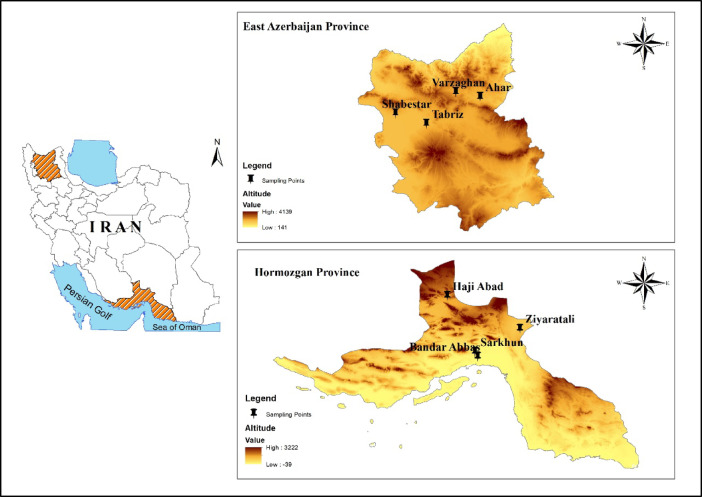
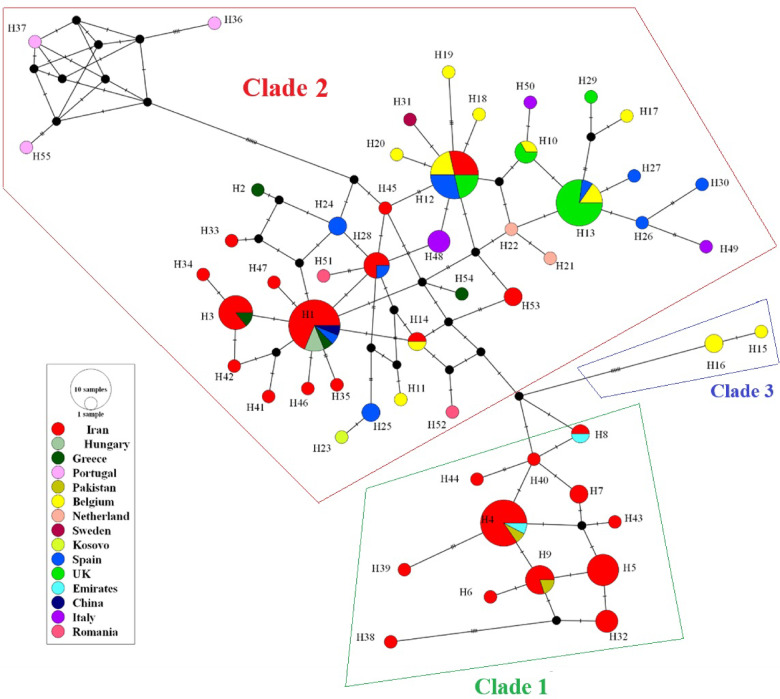
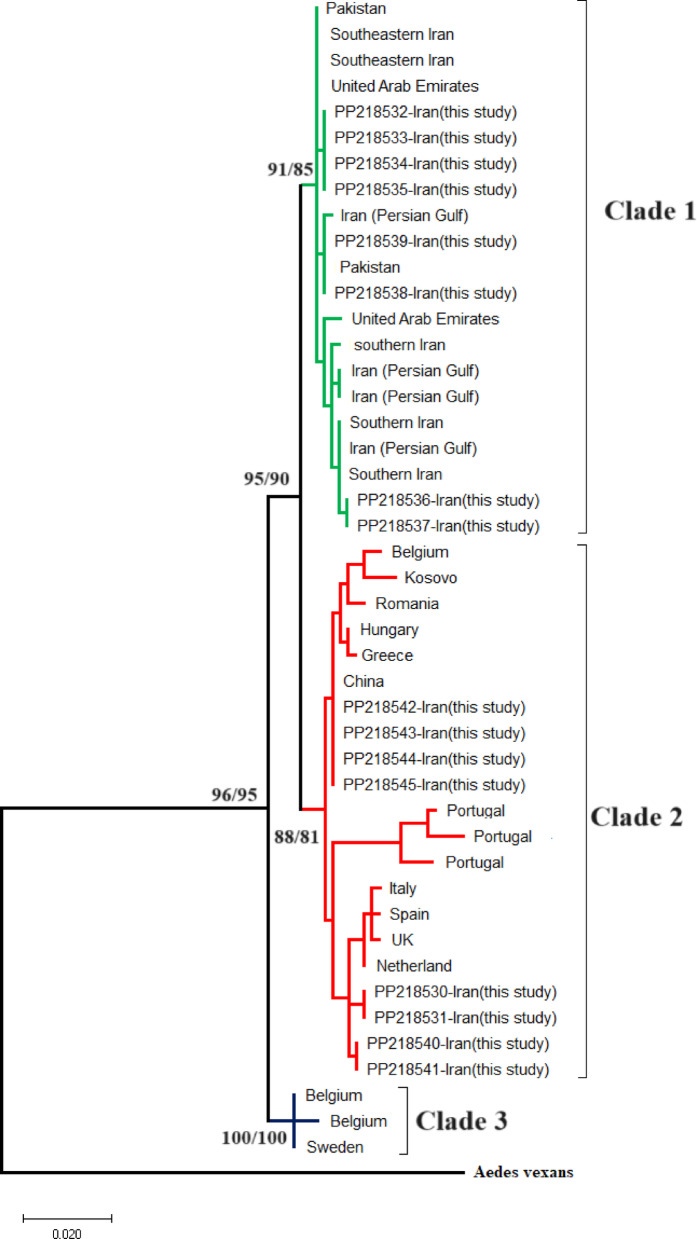
The floodwater mosquito Aedes caspius is a competent vector of several human pathogens and has a global distribution across Asia, Europe, Africa, and the Americas. This study aimed to investigate the genetic diversity and population genetic structure of Ae. caspius from Iran. Aedes caspius mosquitoes were collected from Iran, and genetic diversity was assessed using the mitochondrial DNA-encoded cytochrome c oxidase subunit I (mtDNA-COI) gene. BLAST analysis confirmed the morphological identification of all specimens as Ae. caspius, with 100% similarity to GenBank sequences. Haplotype diversity (Hd) and haplotype diversity variance of the Ae. caspius mosquitoes based on the COI gene were found to be 0.954 and 0.00006, respectively. Nucleotide diversity (Pi) of the Ae. caspius sequences based on the COI gene was calculated to be 0.01495, with 56 segregation sites identified. Phylogenetic analysis demonstrated high genetic diversity in Iranian Ae. caspius populations, suggesting its long-standing establishment in Iran and indicating its native status. The origin of this population in Iran may be linked to populations from the United Arab Emirates (UAE), Pakistan, China, and Europe. Further studies should explore the genetic variability of Ae. caspius in various countries and continents.
Keywords: Aedes caspius; Genetic diversity; Haplotype; mtDNA-COI gene.
© 2025. The Author(s).
Conflict of interest statement
Declarations. Competing interests: The authors declare no competing interests. Ethics approval and consent to participate: This study was approved by the ethical committee of Sirjan School of Medical Sciences (IR.SIRUMS.REC.1402.016).
Figures
References
-
- Azizi, K. et al. Monitoring of dengue virus in field-caught Aedes species (Diptera: Culicidae) by molecular method, from 2016 to 2017 in Southern Iran. J. Health Sci. Surveillance Syst.11, 77–83 (2023).
-
- Reinert, J. F., Harbach, R. E. & Kitching, I. J. Phylogeny and classification of tribe Aedini (Diptera: Culicidae). Zool. J. Linn. Soc.157, 700–794 (2009). - DOI
MeSH terms
Substances
Grants and funding
LinkOut - more resources
Full Text Sources
Research Materials
Miscellaneous
