


Comprehensive pan-cancer analysis identified SLC16A3 as a potential prognostic and diagnostic biomarker
- PMID: 40301866
- PMCID: PMC12039109
- DOI: 10.1186/s12935-025-03791-1
Comprehensive pan-cancer analysis identified SLC16A3 as a potential prognostic and diagnostic biomarker
Abstract
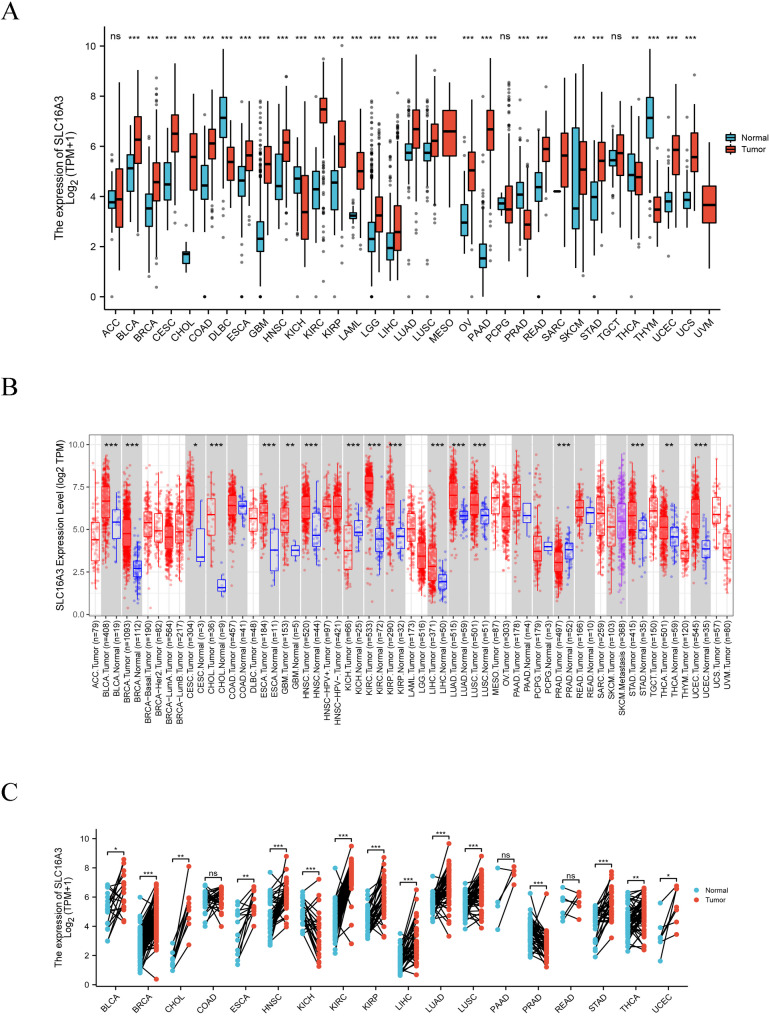
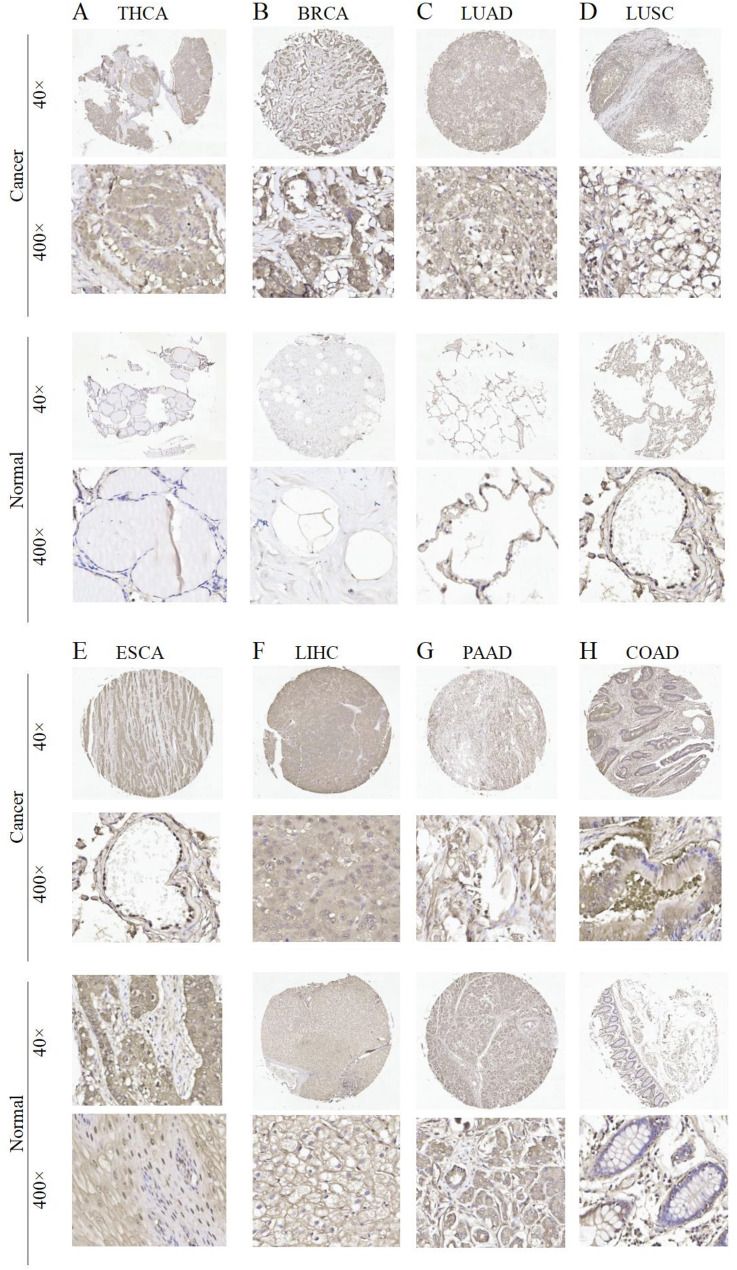
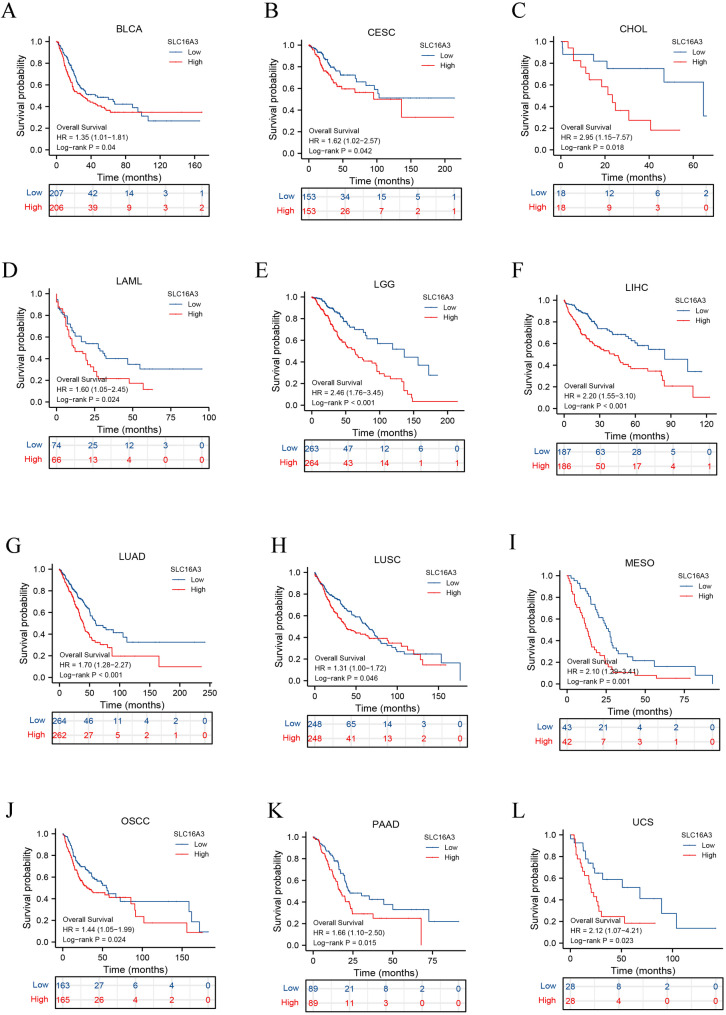
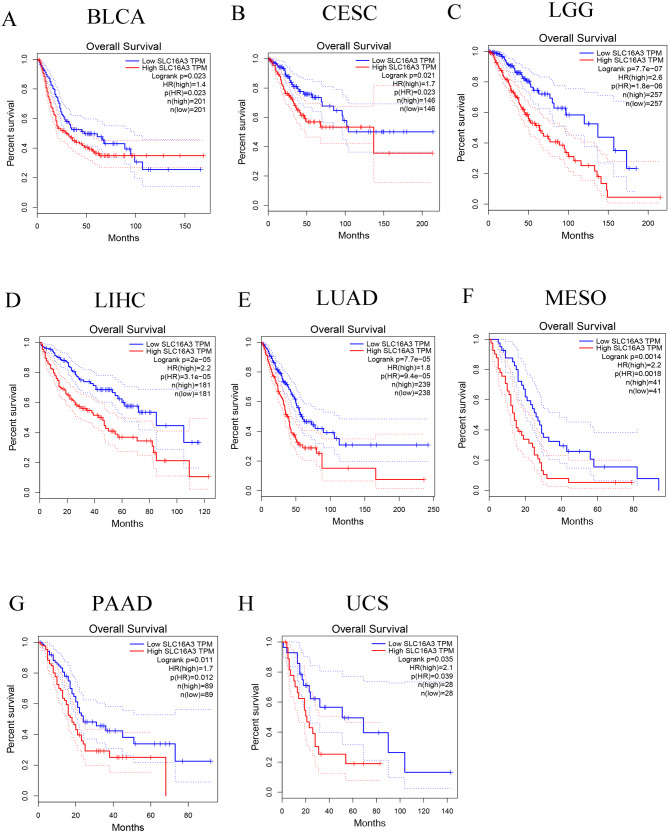
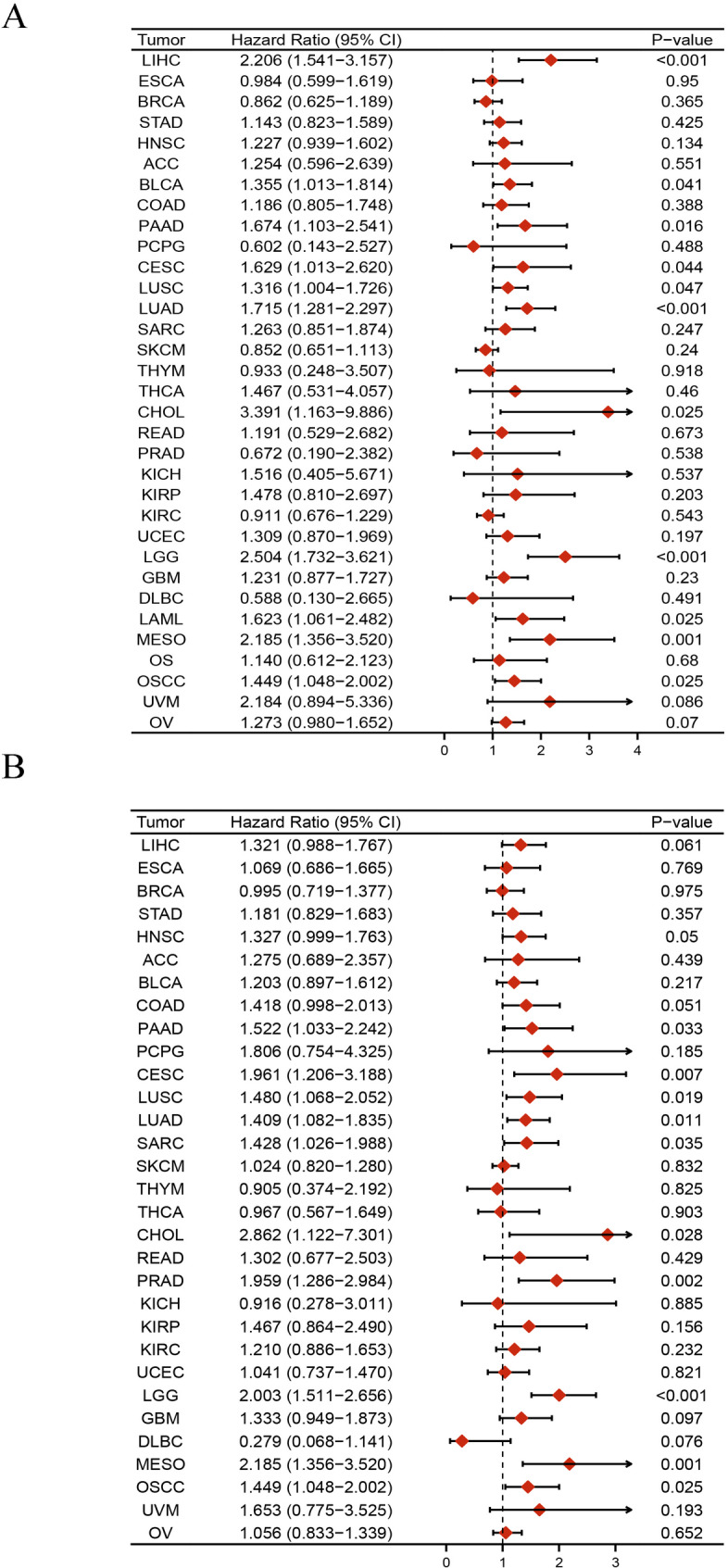
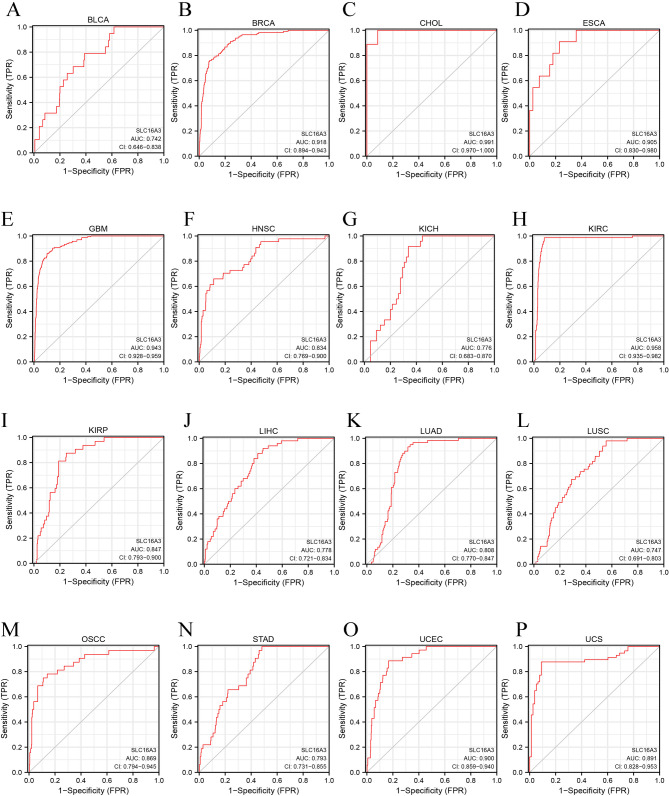
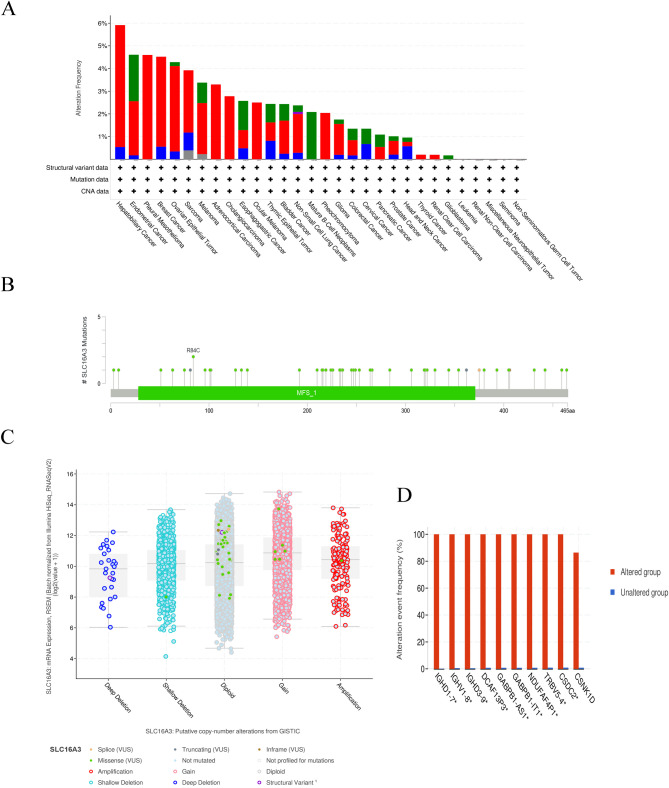
SLC16A3, belonging to the SLC16 gene family, is involved in the transportation of monocarboxylate. SLC16A family members play important roles in tumorigenesis, nonetheless, the specific involvement of SLC16A3 in tumor prognosis and diagnosis in human cancers remains unelucidated. This study dealt with the exploration of SLC16A3 expression in human pan-cancer and its significance regarding disease prognosis. For this investigation, the mRNA expression data of SLC16A3 were acquired from the TCGA and the GTEx datasets. The Kaplan-Meier plots, univariate Cox regression, and the ROC curve were employed for assessing the prognostic and diagnostic significance of SLC16A3 in pan-cancer. Furthermore, the cBioPortal database was used to analyze the SLC16A3 genomic alterations. Moreover, the association of the infiltration of immune cells and immune checkpoint genes with SLC16A3 was analyzed by the TIMER database. Gene Ontology and KEGG pathway analysis were employed to explore the function of SLC16A3 in pan-cancer. The resulting data demonstrated that SLC16A3 mRNA expression was overexpressed in most cancers and its protein expression was also high across diverse cancer types. Moreover, upregulated SLC16A3 expression was linked to poor OS and PFI of certain cancers. Cox regression analysis further indicated that SLC16A3 is a risk factor for patients with PAAD, CESC, LUSC, LUAD, CHOL, LGG, MESO, and OSCC. The ROC curve revealed that SLC16A3 exhibited a high accuracy (AUC > 0.9) in BRCA, CHOL, ESCA, GBM, and KIRC prediction. Moreover, the acquired data indicated that in pan-cancer, the SLC16A3 expression exhibited correlations with immune checkpoint genes and immune cells. These findings collectively suggest that SLC16A3 holds promise as a biomarker for diagnostic and prognostic purposes in pan-cancer.
Keywords: Immune infiltration; Pan-cancer; Prognosis; SLC16A3; Survival.
© 2025. The Author(s).
Conflict of interest statement
Declarations. Ethical approval: The tissue microarrays used in this study were approved by the Ethics Committee of Shanghai Outdo Biotech Company. Competing interests: The authors declare no competing interests.
Figures


References
-
- Sung H, Ferlay J, Siegel RL, et al. Global Cancer statistics 2020: GLOBOCAN estimates of incidence and mortality worldwide for 36 cancers in 185 countries. CA Cancer J Clin. 2021;71(3):209–49. 10.3322/caac.21660. - PubMed
-
- Ebell MH, Culp MB, Radke TJ. A systematic review of symptoms for the diagnosis of ovarian Cancer. Am J Prev Med. 2016;50(3):384–94. 10.1016/j.amepre.2015.09.023. - PubMed
-
- Cáceres-Lavernia HH, Nenínger-Vinageras E, Varona-Rodríguez LM, et al. Racotumomab in Non-Small cell lung Cancer as maintenance and Second-Line treatment. MEDICC Rev. 2021;23(3–4):21–8. 10.37757/MR2021.V23.N3.5. - PubMed
-
- Miao R, Luo H, Zhou H, et al. Identification of prognostic biomarkers in hepatitis B virus-related hepatocellular carcinoma and stratification by integrative multi-omics analysis. J Hepatol. 2014;61(4):840–9. 10.1016/j.jhep.2014.05.025. - PubMed
Grants and funding
LinkOut - more resources
Full Text Sources
