


Isolation, Pathogenicity, and Comparative Phylogenetic Characteristics of an Intralineage Recombinant NADC34-Like PRRSV in China
- PMID: 40303755
- PMCID: PMC12017108
- DOI: 10.1155/2023/9929573
Isolation, Pathogenicity, and Comparative Phylogenetic Characteristics of an Intralineage Recombinant NADC34-Like PRRSV in China
Abstract
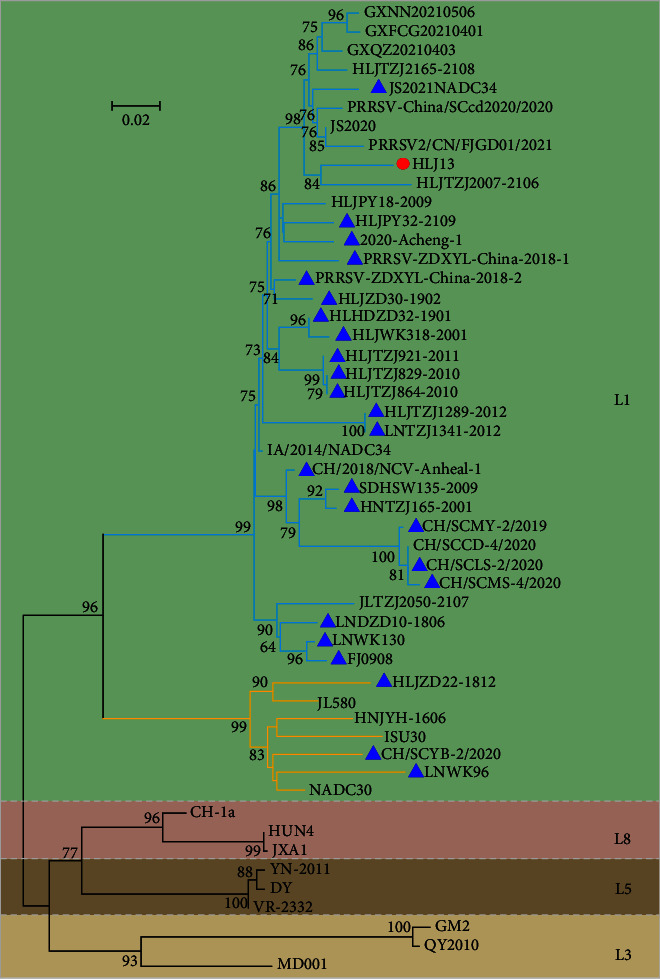
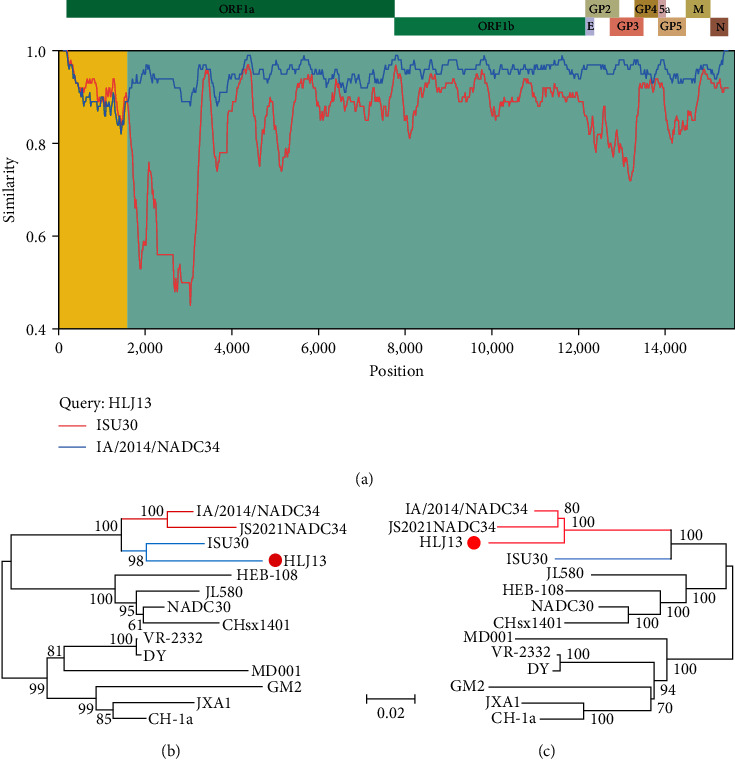
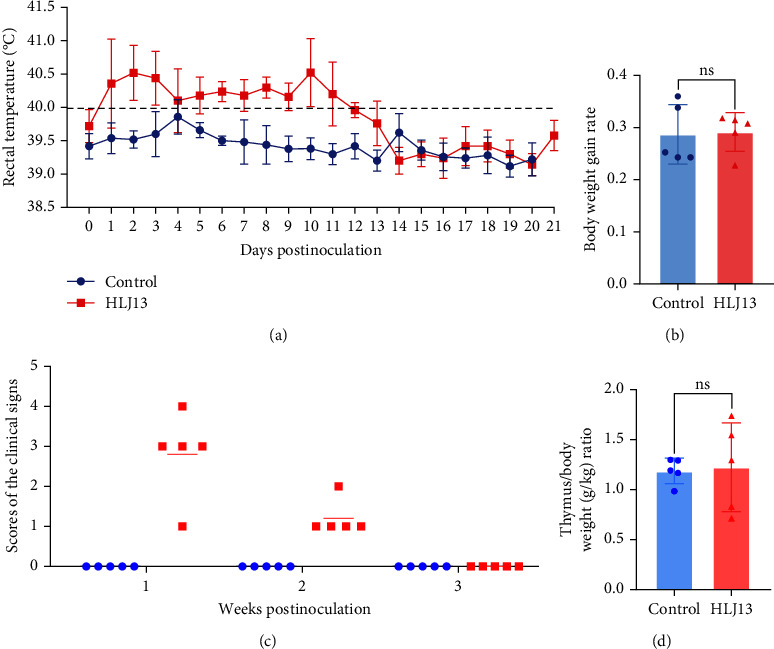
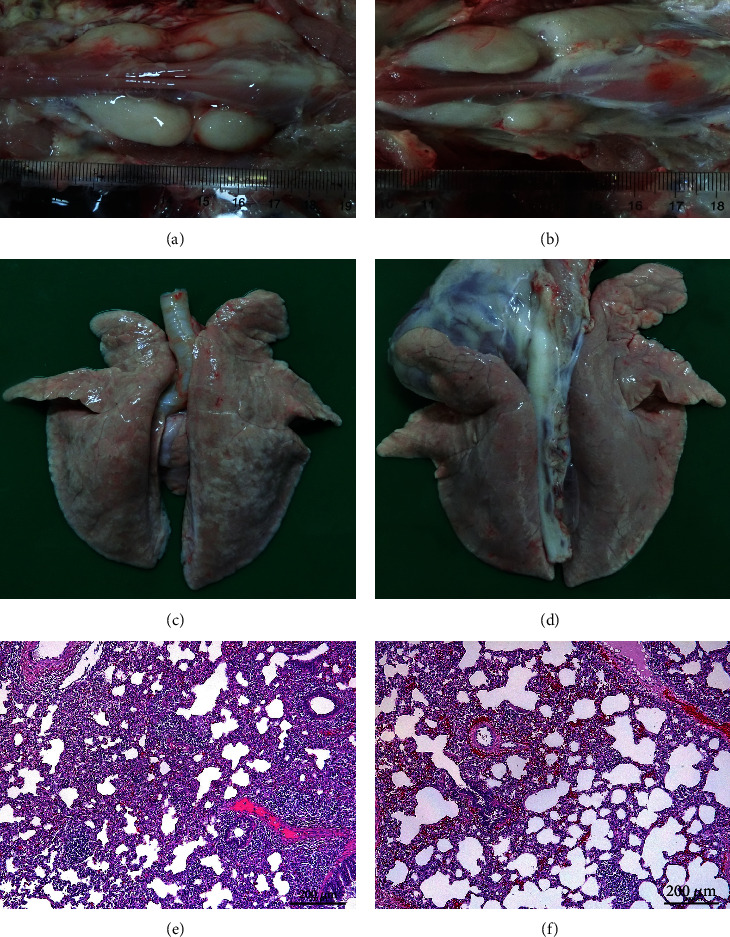
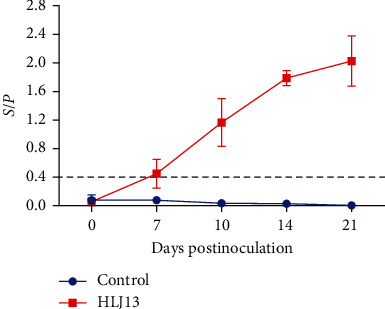
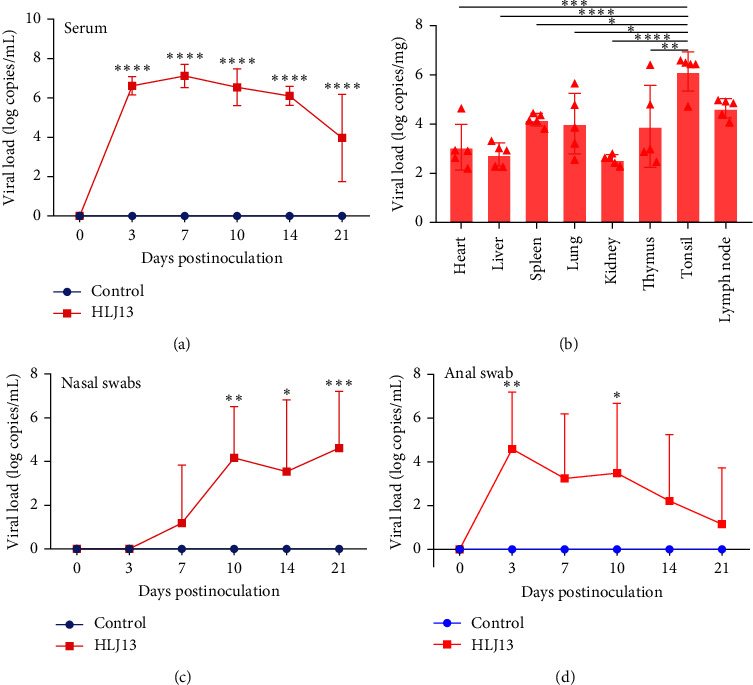
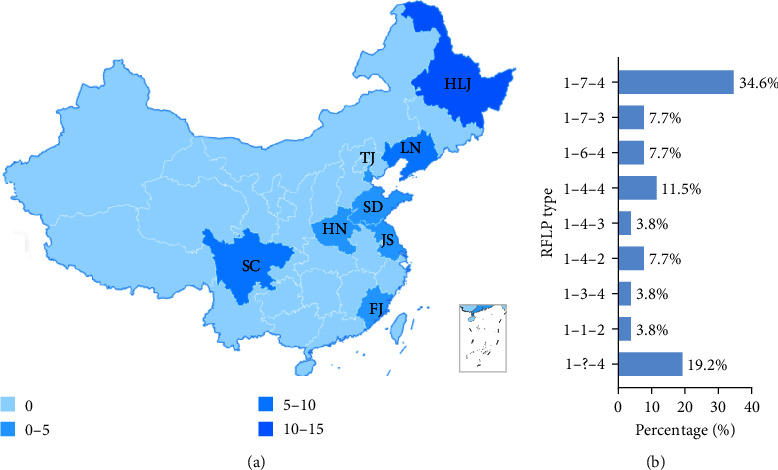
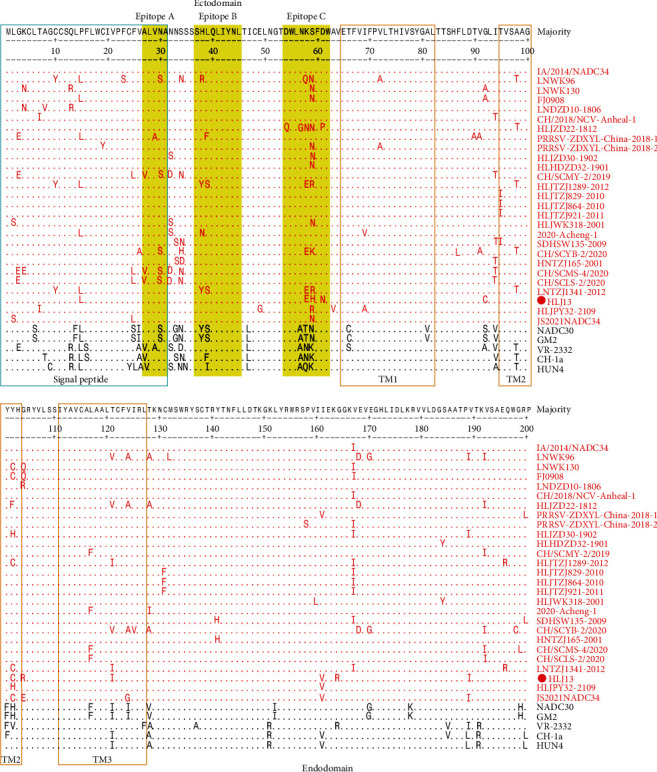
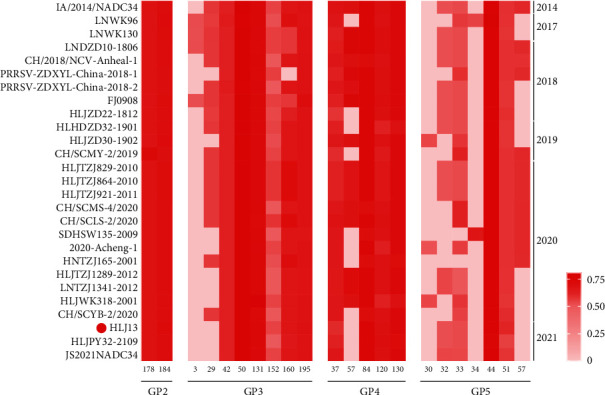
Porcine reproductive and respiratory syndrome (PRRS), which causes reproductive failure in sows and respiratory symptoms in piglets, poses a significant threat to the global pig industry. PRRS virus (PRRSV) variants continue to emerge and spread among pigs. NADC34-like PRRSV has been imported into China in recent years and has shown potential as an endemic strain, which is of great concern. In this study, a NADC34-like PRRSV, named HLJ13 strain, was isolated from a farm where pigs experienced respiratory symptoms and abortions. Genomic analysis revealed that the HLJ13 strain was a potential recombinant of NADC34-like and NADC30-like strains, and the restriction fragment length polymorphism of HLJ13 was a novel pattern that was not yet listed. In the PRRSV HLJ13-inoculated group, the piglets showed mild clinical symptoms, such as persistent fever, and showed histopathological lesions in the lungs, and the virus was detectable at 3 and 7 days postinoculation in anal and nasal swabs, respectively. Recombination analysis revealed that interlineage recombinant events were detected in 8 out of 27 Chinese NADC34-like PRRSVs. Phylogenetic analysis showed that Chinese NADC34-like PRRSVs were distributed in two clades of lineage 1, and Chinese NADC34-like PRRSVs showed different N-glycosylation modifications in glycoproteins, especially in GP3 and GP5. These findings shed light on the genomic characteristics and pathogenicity of the NADC34-like PRRSV in China.
Copyright © 2023 Da-Song Xia et al.
Conflict of interest statement
The authors declare that they have no conflicts of interest.
Figures
References
MeSH terms
LinkOut - more resources
Full Text Sources
Miscellaneous
