


Effect of red clover isoflavones on ruminal microbial composition and fermentation in dairy cows
- PMID: 40304791
- PMCID: PMC12043791
- DOI: 10.1007/s00253-025-13497-z
Effect of red clover isoflavones on ruminal microbial composition and fermentation in dairy cows
Abstract
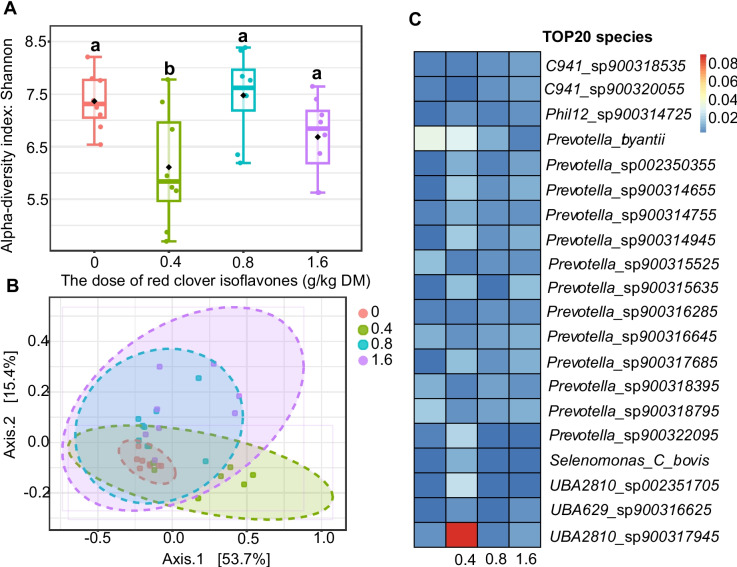
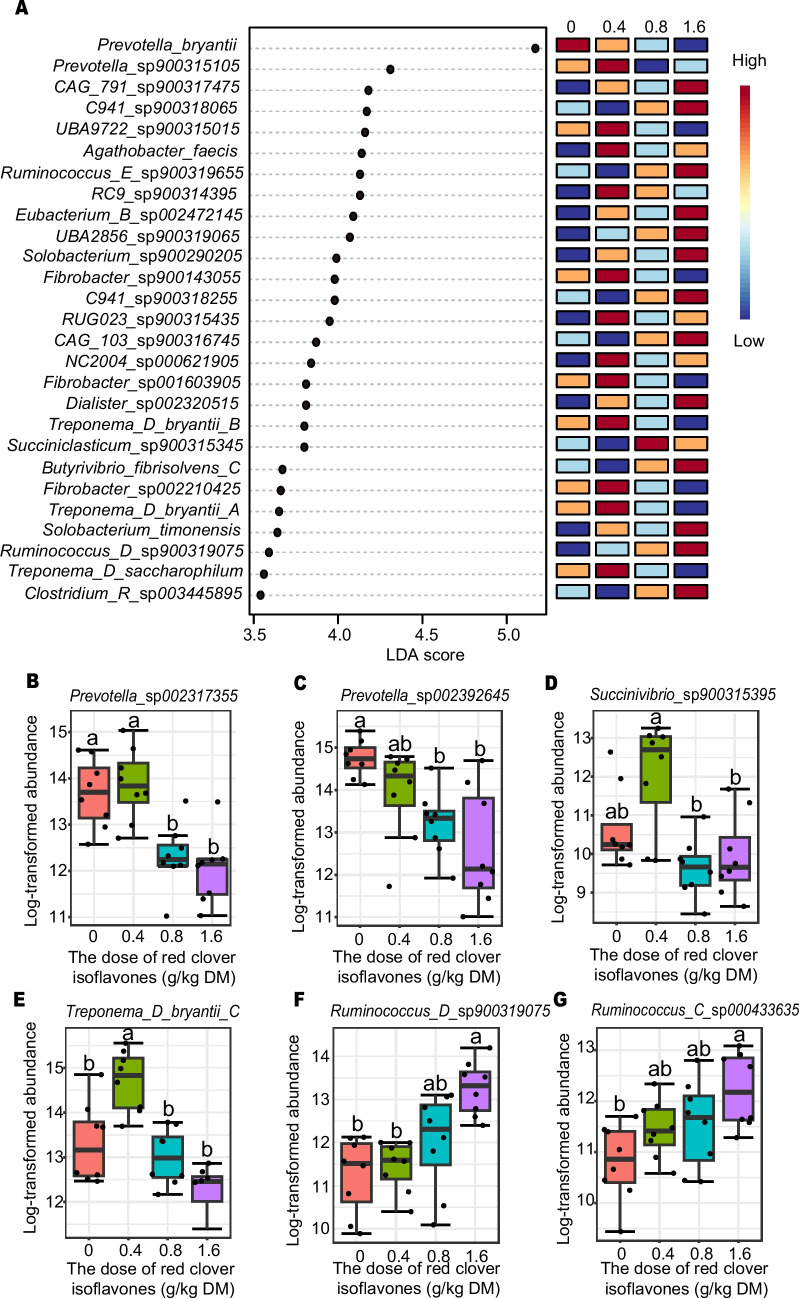
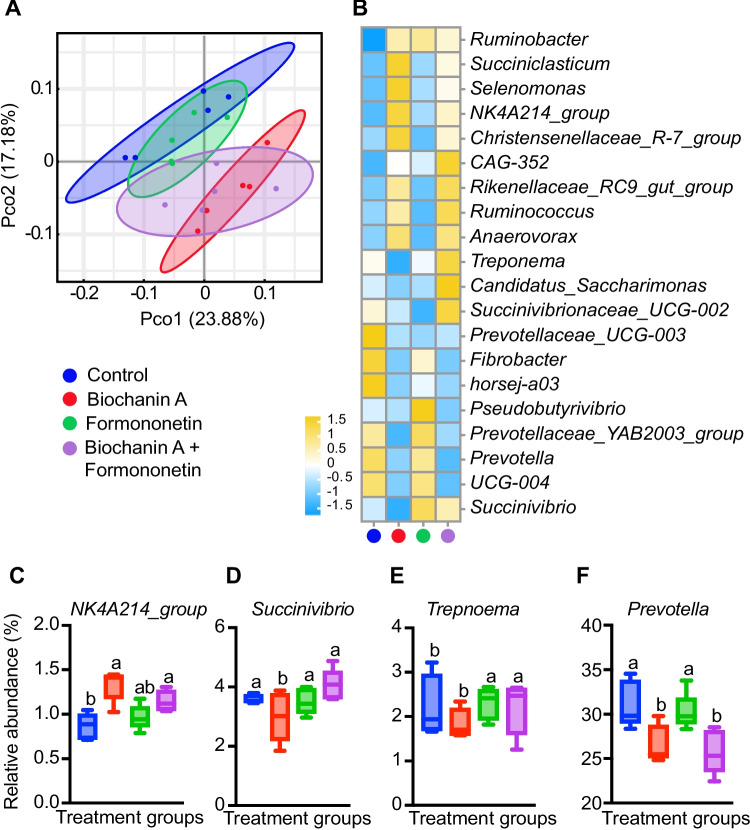
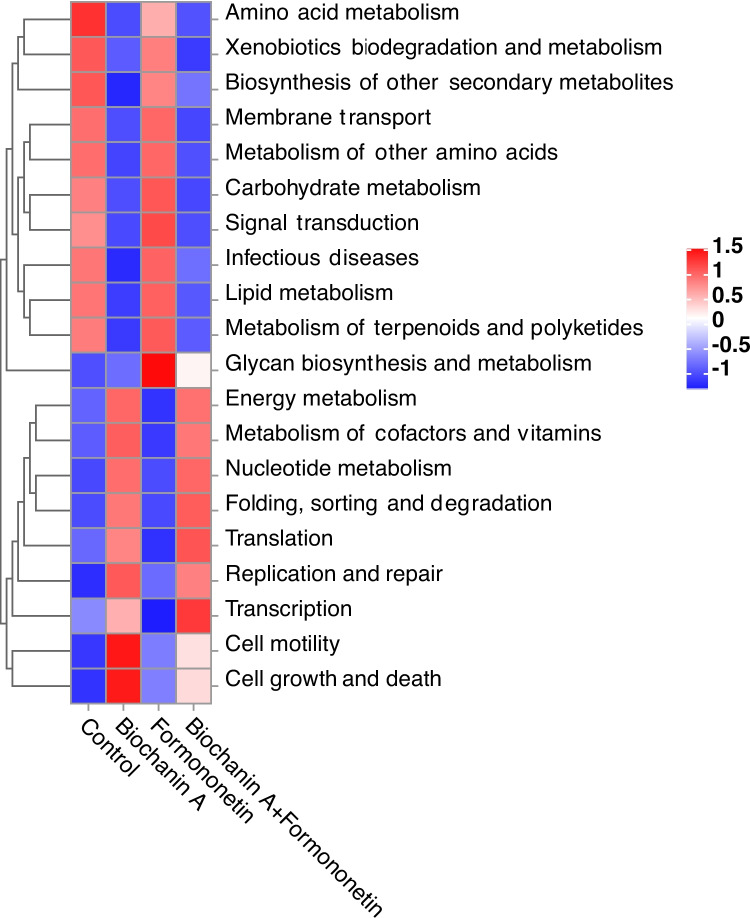
Red clover isoflavones, particularly biochanin A and formononetin, are known for their benefits in enhancing feed efficiency and nitrogen utilization in ruminants. However, their specific effects on rumen fermentation and microbial diversity remain insufficiently explored. This study investigated the impacts of red clover isoflavones on rumen function and bacterial diversity in dairy cows, utilizing both in vivo and in vitro methodologies. In the in vivo study, 40 Holstein dairy cows were allocated to four groups, each receiving red clover isoflavones at doses of 0, 0.4, 0.8, and 1.6 g/kg. Rumen fluid was collected for analysis of fermentation parameters, enzyme activity, and microbial composition through shotgun metagenomic sequencing. Concurrently, an in vitro rumen fermentation trial was conducted to evaluate the effects of biochanin A and formononetin on urea hydrolysis. Results from the in vivo experiments showed that red clover isoflavones significantly decreased ammonia nitrogen (NH₃-N) concentrations and urease activity in the rumen (P < 0.05). Species level metagenomic analysis indicated a reduced abundance of proteolytic and ureolytic bacteria, such as Prevotella sp002317355 and Treponema_D bryantii_C, with a corresponding increase in cellulolytic bacteria, including Ruminococcus_D sp900319075 and Ruminococcus_C sp000433635 (P < 0.05). The in vitro trial further demonstrated that biochanin A and formononetin significantly reduced urea decomposition rates (P < 0.05), with biochanin A exerting a more pronounced effect. These findings align with the observed reduction in ureolytic and proteolytic bacteria, along with an increase in cellulolytic bacteria across both trials. In conclusion, biochanin A emerged as the primary active component of red clover isoflavones, modulating urea nitrogen hydrolysis and rumen fermentation. This study substantiates previous findings and highlights the potential of red clover isoflavones for enhancing rumen microbial fermentation, offering a promising strategy for future dairy industry applications. KEY POINTS: • Red clover isoflavones inhibit urease activity to decrease the abundance of urealytic bacteria. • Biochanin A reduces ammonia nitrogen and urease activity, promoting protein efficiency. • Red clover isoflavones may improve dairy cow rumen health and nitrogen utilization.
Keywords: Dairy cows; Fermentation; Microbial composition; Red clover isoflavones; Rumen microbiome.
© 2025. The Author(s).
Conflict of interest statement
Declarations. Ethical approval: All experimental procedures were approved by the Animal Care and Use Committee of the Institute of Animal Science, Chinese Academy of Agricultural Sciences (Approval No. IAS2022 - 107). Competing interests: The authors declare that they have no known competing financial interests or personal relationships that could have appeared to influence the work reported in this paper.
Figures

References
-
- Bray JR, Curtis JT (1957) An ordination of the upland forest communities of southern Wisconsin. Ecol Monogr 27:325–349. 10.2307/1942268 - DOI
MeSH terms
Substances
Grants and funding
LinkOut - more resources
Full Text Sources
