


Time to death and its predictors among HIV patients on antiretroviral therapy in public health facilities of Horro Guduru Wallaga zone, Ethiopia: a retrospective cohort study
- PMID: 40308933
- PMCID: PMC12040889
- DOI: 10.3389/fpubh.2025.1565573
Time to death and its predictors among HIV patients on antiretroviral therapy in public health facilities of Horro Guduru Wallaga zone, Ethiopia: a retrospective cohort study
Abstract
Background: People with human immunodeficiency virus (HIV)/acquired immunodeficiency syndrome (AIDS) continue to die at substantial rates, even in our nation of Ethiopia, despite receiving antiretroviral medication. Limited evidence is available regarding these individuals' time to death and its predictors. Therefore, this study aimed to evaluate time to death and its predictors among HIV/AIDS patients receiving antiretroviral therapy (ART) in this study area.
Objective: The objective of the study was to assess time to death and its predictors among HIV patients receiving ART in public facilities of the Horro Guduru Wallaga (HGW) zone, Western Ethiopia, 2024.
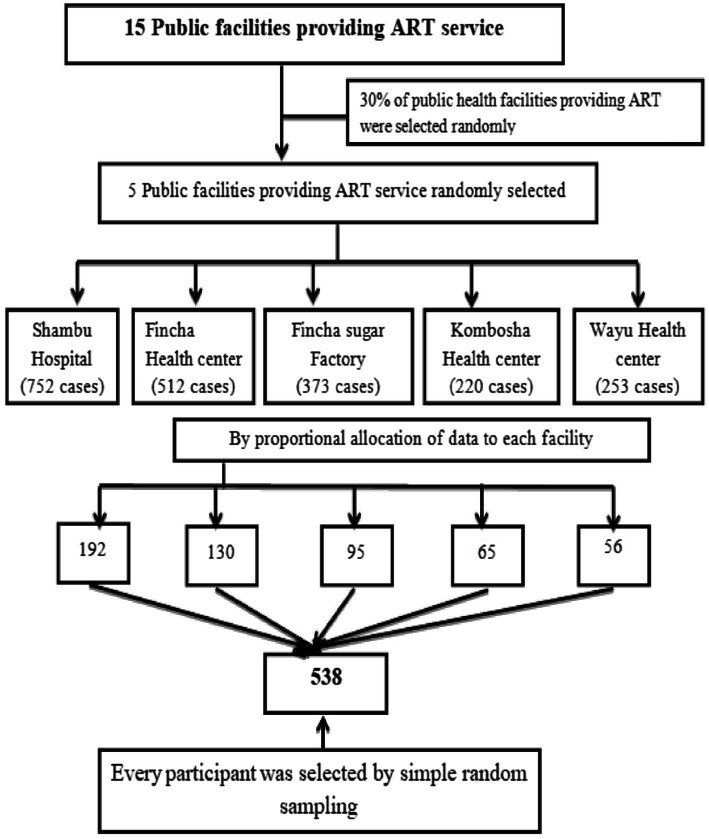
Methods and materials: A facility-based retrospective study was conducted involving 538 HIV-positive patients on anti-retroviral therapy. A simple random sampling method was used to select a sample from patient registrations between October 2018 and October 2023. Data were entered into EpiData version 3.1 and exported to STATA version 14. The Kaplan-Meier curve was used to estimate the survival probability after ART initiation. The Cox regression model was used to identify independent predictors of death. Significantly associated variables were reported with a p-value of less than 0.05 and the adjusted hazard ratio (AHR) with a 95% confidence interval.
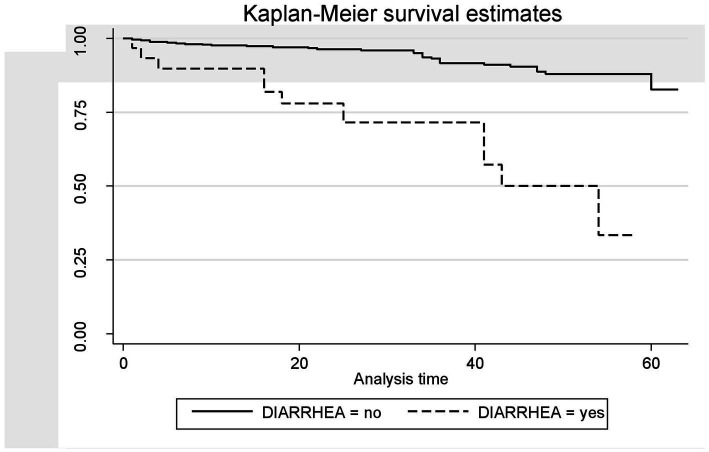
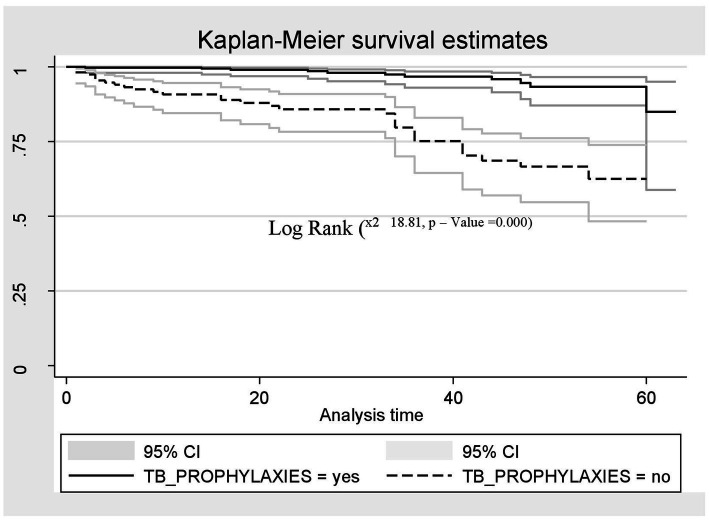
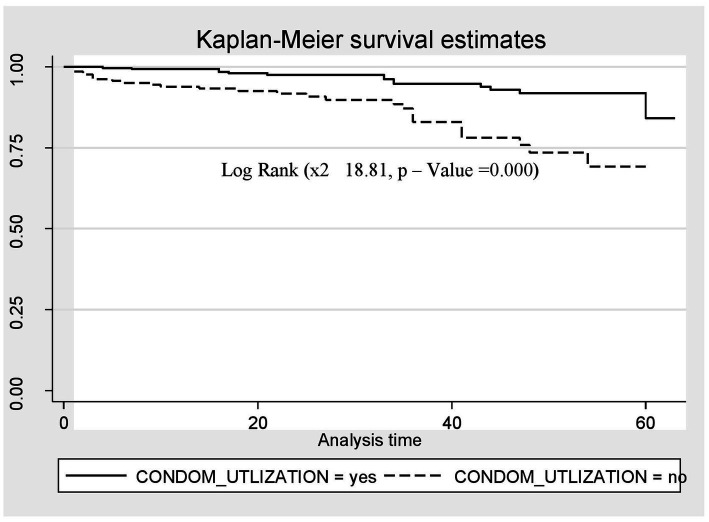
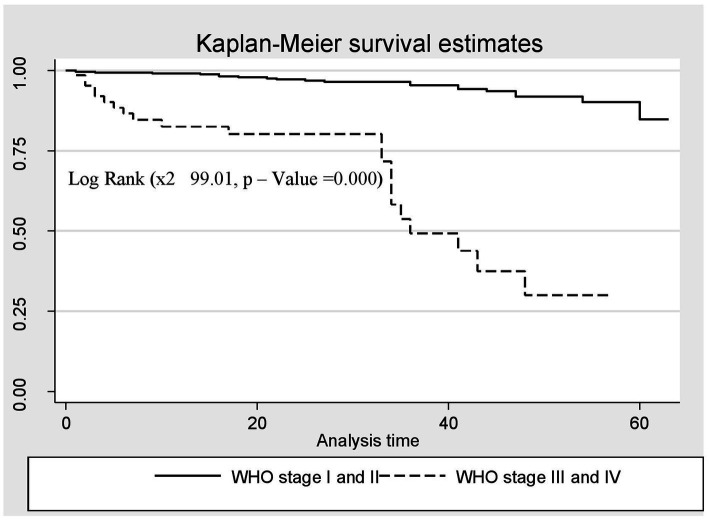
Results: Among the 538 study participants included in the final analysis, 42 (8%) individuals died. The finding of this study revealed that the incidence rate of HIV-related death was 2.81 deaths per 1,000 person-months. Diarrhea (AHR = 4.54; 95% CI 1.85-11.13), failure to take TB prophylaxis (AHR = 5.61; 95%CI: 2.25, 14.03), non-utilization of condoms (AHR = 2.62; 95% CI: 1.13, 6.08), and WHO clinical stages III and IV (AHR = 7.02; 95%CI: 3.11, 11.84) were identified as predictors of death among the patients.
Conclusion: The time to death among HIV patients on ART in this study area was higher compared to the national HIV-related death report. A history of diarrhea, failure to adhere to tuberculosis prophylaxis, non-utilization of condoms, and HIV clinical stages III and IV were found to be predictors of time to death related to HIV. Therefore, it is important to promote behavioral changes, such as condom utilization, adherence to TB prophylaxis, and effective treatment of comorbid infections, to improve the lifespan of HIV patients.
Keywords: Ethiopia; Horro Guduru Wallaga; antiretroviral therapy; predictors; time to death.
Copyright © 2025 Morka, Belay Keno, Gebre, Fikadu, Tiruneh, Golja and Ewunetu.
Conflict of interest statement
The authors declare that the research was conducted in the absence of any commercial or financial relationships that could be construed as a potential conflict of interest.
Figures
References
-
- Alemu GG, Nigussie ZM, Amlak BT, Achamyeleh AA. Survival time and predictors of death among HIV infected under five children after initiation of anti -retroviral therapy in West Amhara referral hospitals, Northwest Ethiopia. BMC Pediatr. (2022) 22:670–14. doi: 10.1186/s12887-022-03693-5, PMID: - DOI - PMC - PubMed
-
- Sheet F. FACT SHEET 2023 global HIV people living with HIV people living with HIV accessing an retroviral therapy new HIV infections AIDS- related deaths key Populations. (2023)
-
- FMOH Ethiopia . National Consolidated Guidelines for comprehensive HIV prevention, care and. FMOH. (2018);1–238.
MeSH terms
Substances
LinkOut - more resources
Full Text Sources
Medical
