


A novel SIGMAR1 missense mutation leads to distal hereditary motor neuropathy phenotype mimicking juvenile ALS: a case report of China
- PMID: 40309037
- PMCID: PMC12041004
- DOI: 10.3389/fgene.2025.1477518
A novel SIGMAR1 missense mutation leads to distal hereditary motor neuropathy phenotype mimicking juvenile ALS: a case report of China
Abstract
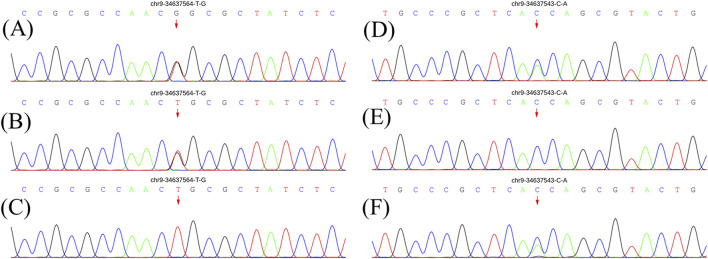
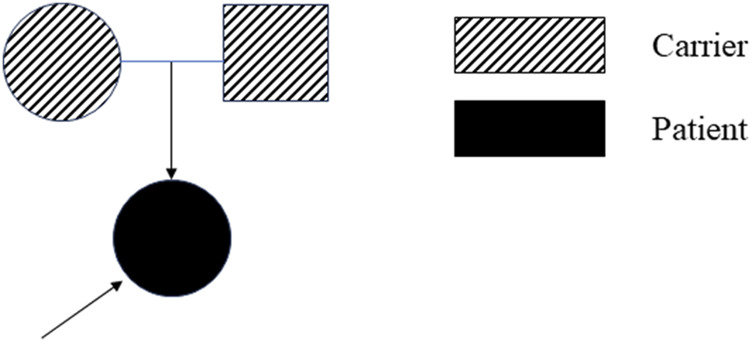
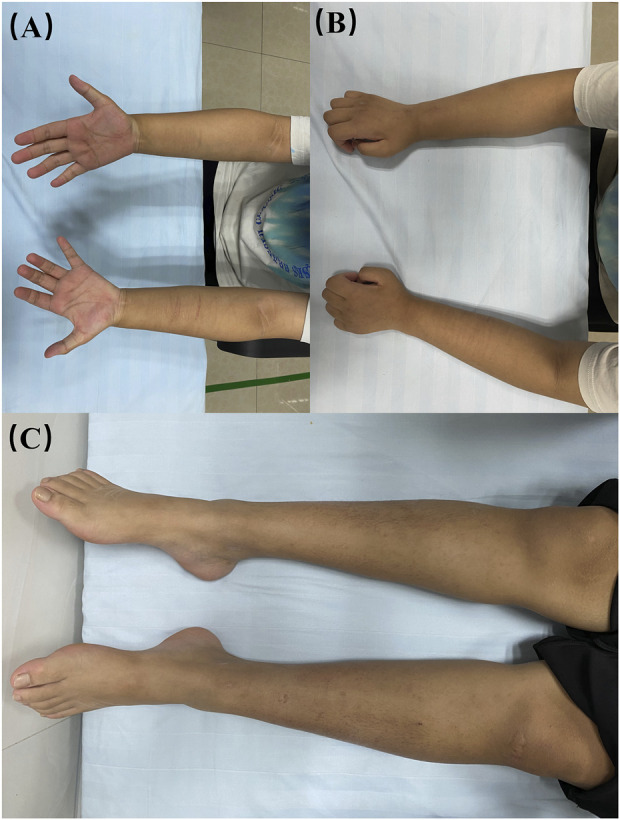
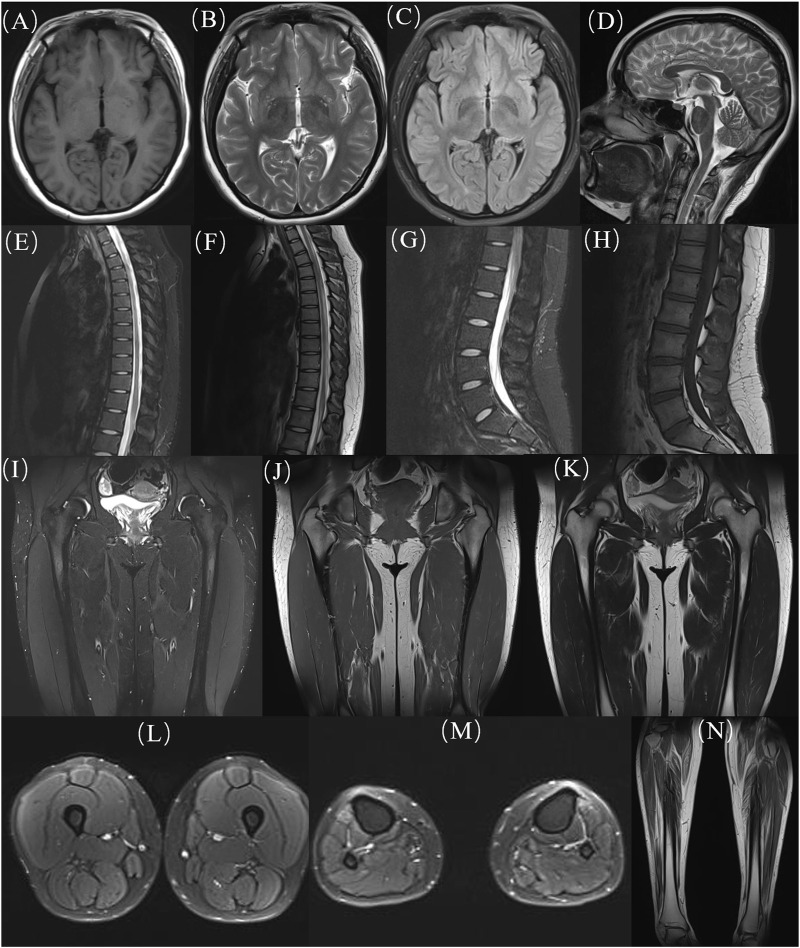
We present the case of a 16-year-old East Asian Chinese girl with a novel mutation in the SIGMAR1 gene, initially diagnosed as juvenile amyotrophic lateral sclerosis (JALS). At the age of five, she began to exhibit gait abnormalities while walking, a condition that persisted for 4 years until muscle weakness and atrophy emerged, predominantly affecting her distal muscles symmetrically. Electromyography (EMG) initially revealed early abonormal motor conduction, and subsequent examinations indicated neurogenic damage accompanied by localized denervation potentials. Whole-exome sequencing identified compound heterozygous mutations in the SIGMAR1 gene. Throughout the course of her illness, the patient exhibited slow disease progression without cognitive impairment or scoliosis development. We ultimately revised the diagnosis to distal hereditary motor neuropathy (dHMN). This study reports the case of SIGMAR1 new locus mutation leading to dHMN in China, contributing to the expansion of the dHMN genetic database. In our patient, the initial EMG findings indicated issues with neurogenic conduction, followed by a slow progression of the disease. Subsequently, EMG results revealed axonal damage and denervation potentials. These clinical features can easily lead to confusion with JALS. This insight is valuable for improving diagnostic accuracy and understanding the clinical spectrum of dHMN related to SIGMAR1 mutations.
Keywords: JALS; SIGMAR; case report; dHMN; diagnosis.
Copyright © 2025 Yu, Mohammed Nazar, Chen, Qian, Wang and Chen.
Conflict of interest statement
The authors declare that the research was conducted in the absence of any commercial or financial relationships that could be construed as a potential conflict of interest. The author(s) declared that they were an editorial board member of Frontiers, at the time of submission. This had no impact on the peer review process and the final decision.
Figures
References
Publication types
LinkOut - more resources
Full Text Sources
Miscellaneous
