


Role of genetic modifiers on pulmonary consequences of cancer therapy in children
- PMID: 40316638
- PMCID: PMC12048474
- DOI: 10.1038/s41598-025-98305-4
Role of genetic modifiers on pulmonary consequences of cancer therapy in children
Abstract
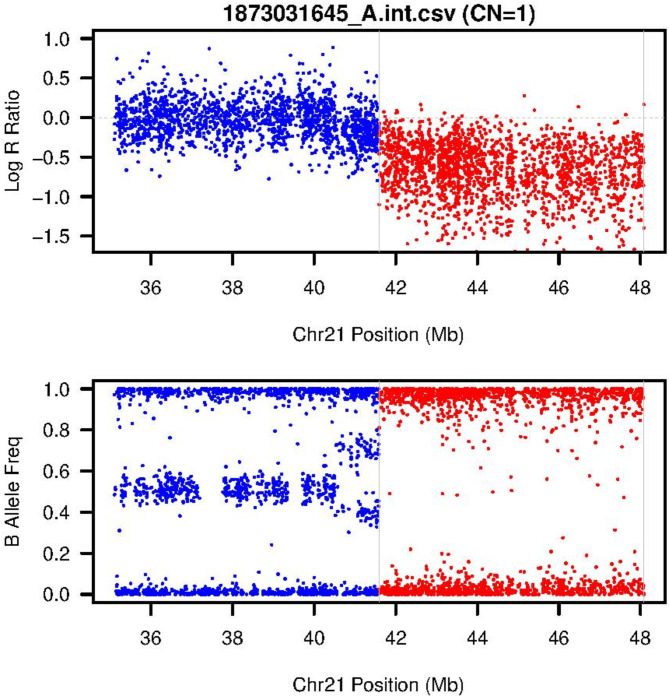
Childhood cancer survivors (CCS) often face late-onset adverse effects, with pulmonary complications being particularly common. In this study, we analyzed 104 CCS with pulmonary issues post-treatment using a genome-wide association study (GWAS) to identify genetic susceptibility markers. Among the cohort, 20% were diagnosed with interstitial lung disease (ILD), while other complications included pulmonary fibrosis (3%) and bronchiolitis obliterans (3%). Pulmonary function test (PFT) impairments were present in 74% of patients, with symptoms such as exertional dyspnea (14%) and chronic cough (9%). Imaging revealed bronchiectasis in 7% of patients. Although no genome-wide significant loci were identified, several loci of suggestive significance were detected, including rs6804526 (P = 6.21 × 10⁻⁵) and rs117985268 (P = 2.98 × 10⁻⁵), which are previously associated with breast cancer and respiratory failure, respectively. Additionally, copy number variation (CNV) analysis identified a 21q22.3 deletion in one patient, a region linked to lung cancer. While no genome-wide significant loci were found, these suggestive loci and CNV findings highlight potential genetic modifiers of pulmonary risk in CCS, warranting further investigation in larger cohorts to confirm these associations.
© 2025. The Author(s).
Conflict of interest statement
Declarations. Competing interests: The authors declare no competing interests.
Figures

References
MeSH terms
LinkOut - more resources
Full Text Sources
Medical
