


Impact of Probiotics Administration on the VEGF, Adiponectin, and Glycolipid Metabolism, in Prediabetic Patients: A Randomized, Double-Blinded, Placebo-Controlled Clinical Trial
- PMID: 40321607
- PMCID: PMC12045928
- DOI: 10.1002/fsn3.70146
Impact of Probiotics Administration on the VEGF, Adiponectin, and Glycolipid Metabolism, in Prediabetic Patients: A Randomized, Double-Blinded, Placebo-Controlled Clinical Trial
Abstract
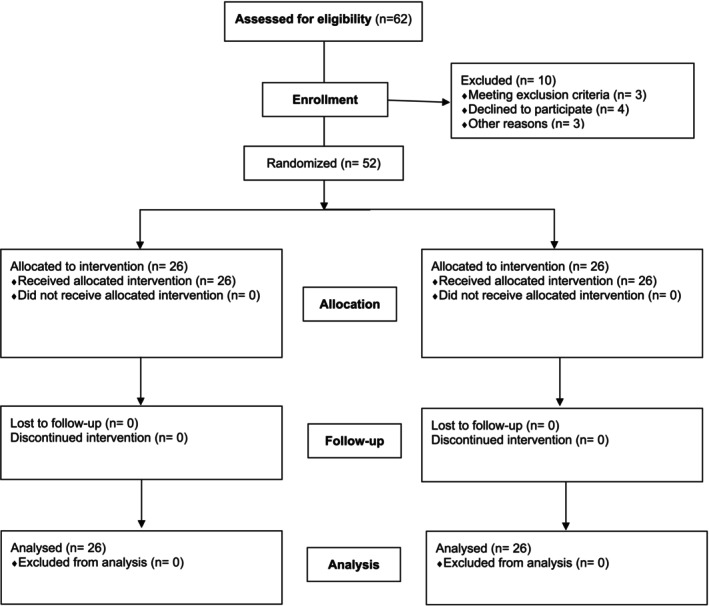
It is debated that probiotics can improve glycolipid metabolism and slow the progression of prediabetes to diabetes mellitus. This study aimed to evaluate the effect of probiotics on lipid profile, glucose homeostasis, serum level of resistin, adiponectin, and vascular endothelial growth factor (VEGF) in prediabetic patients. This double-blind, randomized, placebo-controlled clinical trial was conducted on prediabetic patients in the Endocrinology clinic of Ghaem Hospital. Patients were randomly divided into two groups: the probiotics group was prescribed a daily 500-mg capsule of probiotics (109 colony-forming units), while the other received a placebo capsule with the same appearance. After 3 months, the effect of probiotic administration on laboratory parameters indicative of glycolipid metabolism, resistin, adiponectin, VEGF, body mass index (BMI), and blood pressure was compared between groups. This study was registered in the Iranian Registry of Clinical Trials (IRCT 20190801044405 N2). Fifty-two patients were included in the final analysis, with 26 patients in each group. The mean age of patients was 43.75 ± 8.45. At the beginning, both groups were similar in all demographic characteristics and measured serum levels of investigated biomarkers (p > 0.05 for all parameters). Both groups exhibited significant changes in BMI and fasting blood sugar (FBS). However, regarding FBS, the magnitude of change was significantly greater in patients treated with probiotics (p = 0.022). Our findings also revealed a significant increase in HDL (p = 0.001), adiponectin (p < 0.001), and VEGF (p = 0.024) serum levels and a significant decrease in HbA1c (p = 0.034), LDL (p = 0.002), TG (p < 0.001), and total cholesterol (p = 0.001) exclusively in the probiotics group. Probiotic supplementation efficiently improved glycolipid metabolism, adiponectin, and VEGF serum levels.
Keywords: VEGF; adiponectin; prediabetes; probiotic; resistin.
© 2025 The Author(s). Food Science & Nutrition published by Wiley Periodicals LLC.
Conflict of interest statement
Approval date of Registry and the Registration No. of the study/trial: Our study was registered in the Iranian Registry of Clinical Trials with the number IRCT Number: IRCT 20190801044405N2 on 7/05/2021. Animal studies: The authors have nothing to report.The authors declare no conflicts of interest.
References
-
- Andersson, U. , Bränning C., Ahrné S., et al. 2010. “Probiotics Lower Plasma Glucose in the High‐Fat Fed C57BL/6J Mouse.” Beneficial Microbes 1, no. 2: 189–196. - PubMed
-
- Arnett, D. K. , Blumenthal R. S., Albert M. A., et al. 2019. “2019 ACC/AHA Guideline on the Primary Prevention of Cardiovascular Disease: Executive Summary: A Report of the American College of Cardiology/American Heart Association Task Force on Clinical Practice Guidelines.” Circulation 140, no. 11: e563–e595. - PMC - PubMed
-
- Cnop, M. , Havel P. J., Utzschneider K. M., et al. 2003. “Relationship of Adiponectin to Body Fat Distribution, Insulin Sensitivity and Plasma Lipoproteins: Evidence for Independent Roles of Age and Sex.” Diabetologia 46, no. 4: 459–469. - PubMed
-
- DeFronzo, R. A. , and Abdul‐Ghani M.. 2011. “Assessment and Treatment of Cardiovascular Risk in Prediabetes: Impaired Glucose Tolerance and Impaired Fasting Glucose.” American Journal of Cardiology 108, no. S3: 3B–24B. - PubMed
LinkOut - more resources
Full Text Sources
Miscellaneous
