


Effectiveness of Modified Flipped Classrooms Integrating Scenario-Based Questions, Multiple-Choice Question Assessments, and Mind Maps in Blood Physiology
- PMID: 40322443
- PMCID: PMC12047674
- DOI: 10.7759/cureus.81590
Effectiveness of Modified Flipped Classrooms Integrating Scenario-Based Questions, Multiple-Choice Question Assessments, and Mind Maps in Blood Physiology
Abstract
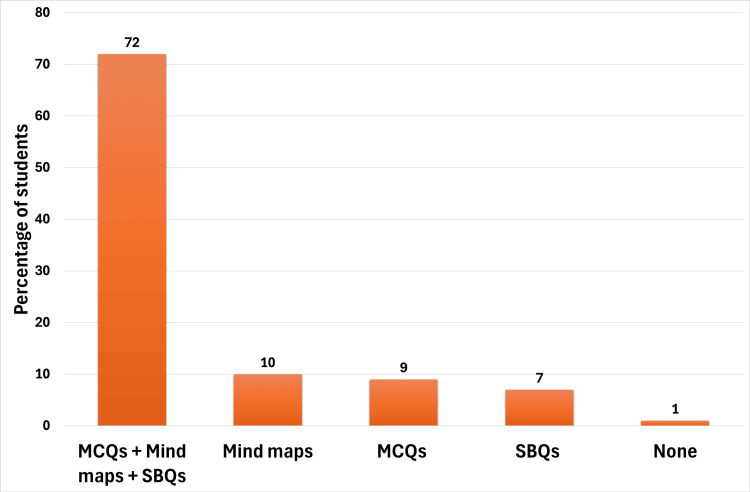
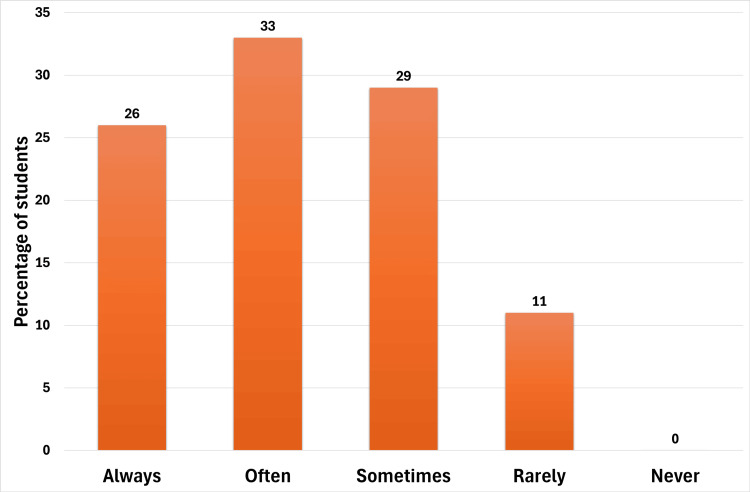
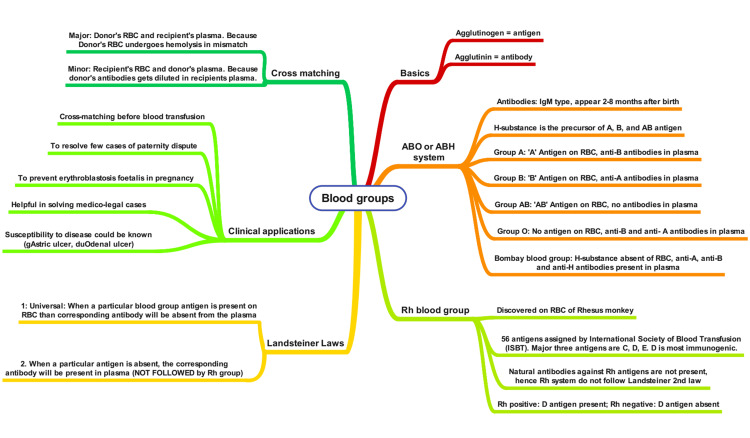
Background Conventional lectures in medical training may not always foster adequate comprehension and retention of complex physiological concepts. A modified flipped classroom integrating open-ended scenario-based questions (SBQs), multiple-choice questions (MCQs) assessments using an online response recording (ORR) system, and mind maps may enhance student comprehension, engagement, and knowledge retention. This study evaluates first-year Bachelor of Medicine and Bachelor of Surgery (MBBS) students' perceptions of an integrated instructional module on blood physiology. Methods This cross-sectional study was conducted at the All India Institute of Medical Sciences, Raebareli, India, from November 2024 to February 2025, involving 96 first-year MBBS students. The instructional module consisted of 21 structured lectures that utilized a modified flipped classroom approach with pre-class study materials and in-class PowerPoint-based teaching (Microsoft Corp., Redmond, WA). This approach was integrated with mind map navigations, SBQ discussions, and MCQ assessments via Google Forms (Google LLC, Mountain View, CA). Student perceptions were assessed using a validated 14-item questionnaire categorized into three domains: handout quality, comprehension and retention, and satisfaction and engagement. Additionally, two questions assessed the consistency of handout review before classes and the preferred method among SBQs, MCQs, and mind maps for enhancing understanding and retention. Responses were recorded on a five-point Likert scale. Data analysis included descriptive statistics, principal component factor analysis for construct validity, and Cronbach's alpha for reliability assessment. Results Students highly appreciated the quality of structured handouts (4.57 ± 0.42). Students believed that integrating SBQ discussions, MCQs with ORR, and mind maps helped improve knowledge retention and comprehension (4.28 ± 0.44) in a satisfactory and engaging environment (4.49 ± 0.41). Most students acknowledged the benefits of these methods: 91% agreed that MCQs reinforced key concepts, 96% reported an improved understanding through SBQ discussions, and 92% found mind maps helpful for knowledge retention. Additionally, 72% preferred the combined approach of SBQs, MCQs with ORR, and mind maps for comprehension and retention. However, only 26% consistently reviewed the handouts before classes. Conclusion The modified flipped classroom model integrating SBQs, MCQs with ORR, and mind maps helped students comprehend blood physiology while maintaining engagement in lectures. This structured instructional module offers a feasible and effective strategy for enhancing comprehension and engagement in medical education, even with limited resources.
Keywords: active learning; blood physiology; comprehension; medical education; scenario-based questions; students.
Copyright © 2025, Agarwal et al.
Conflict of interest statement
Human subjects: Consent for treatment and open access publication was obtained or waived by all participants in this study. All India Institute of Medical Sciences, Raebareli (U.P.), India issued approval (2024-19-IMP-EXP-8). Animal subjects: All authors have confirmed that this study did not involve animal subjects or tissue. Conflicts of interest: In compliance with the ICMJE uniform disclosure form, all authors declare the following: Payment/services info: All authors have declared that no financial support was received from any organization for the submitted work. Financial relationships: All authors have declared that they have no financial relationships at present or within the previous three years with any organizations that might have an interest in the submitted work. Other relationships: All authors have declared that there are no other relationships or activities that could appear to have influenced the submitted work.
Figures
References
-
- National Medical Commission: competency based undergraduate curriculum for the Indian Medical Graduate Volume I. [ Mar; 2025 ]. 2018. https://www.nmc.org.in/wp-content/uploads/2020/01/UG-Curriculum-Vol-I.pdf https://www.nmc.org.in/wp-content/uploads/2020/01/UG-Curriculum-Vol-I.pdf
LinkOut - more resources
Full Text Sources