


Piezoelectric-immunomodulatory electrospun membrane for enhanced repair of refractory wounds
- PMID: 40329325
- PMCID: PMC12057002
- DOI: 10.1186/s12951-025-03393-z
Piezoelectric-immunomodulatory electrospun membrane for enhanced repair of refractory wounds
Abstract
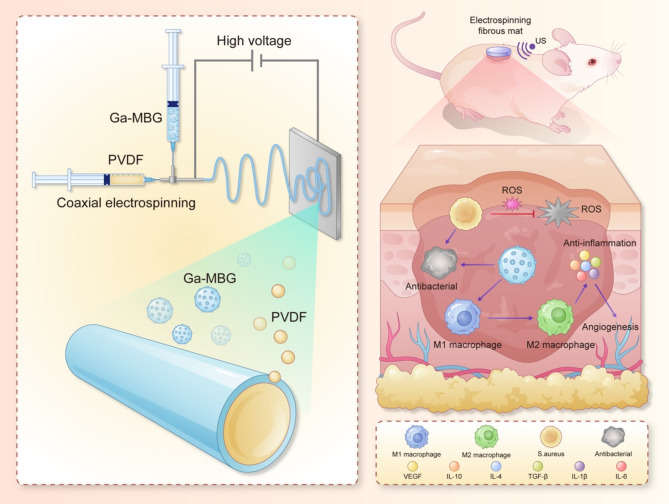
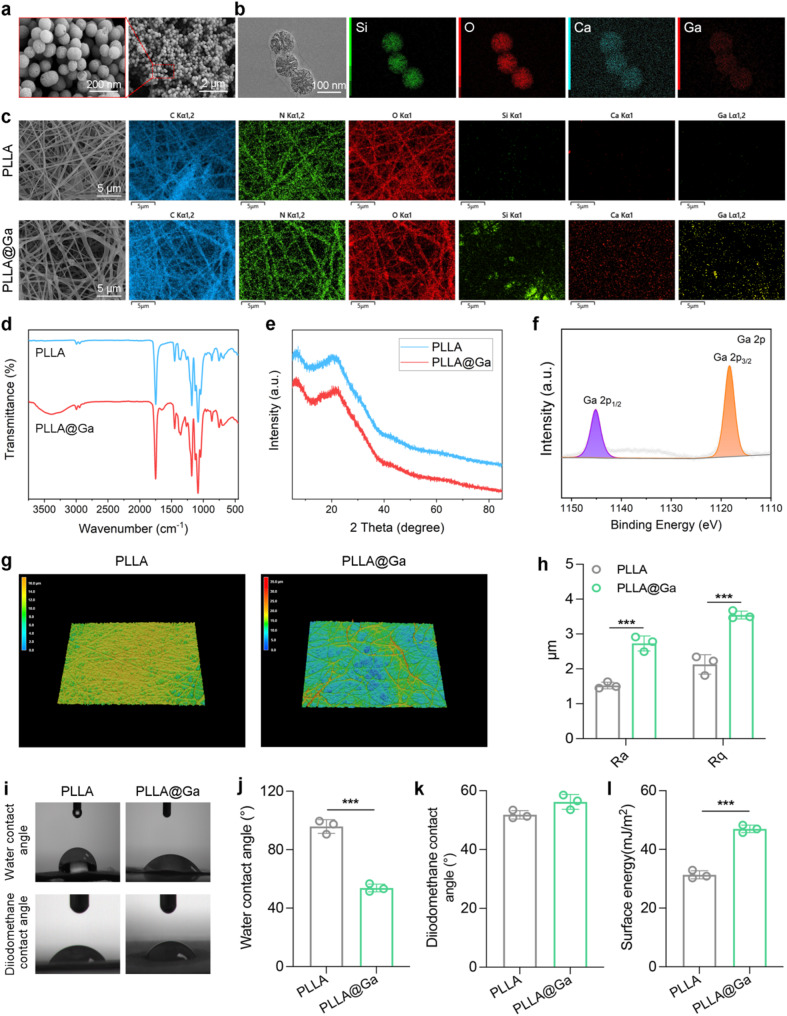
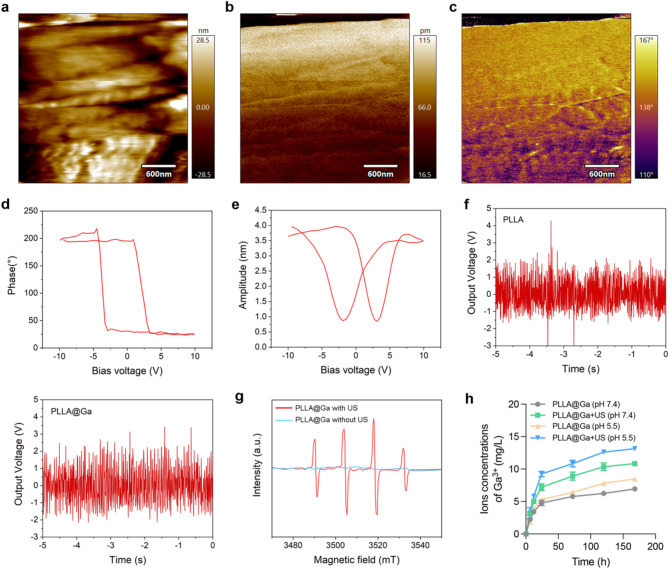
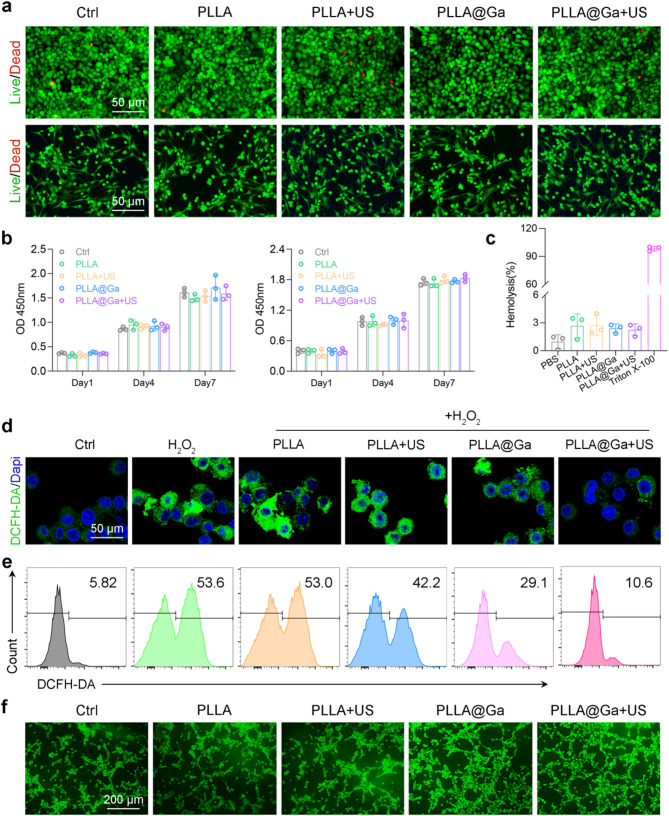
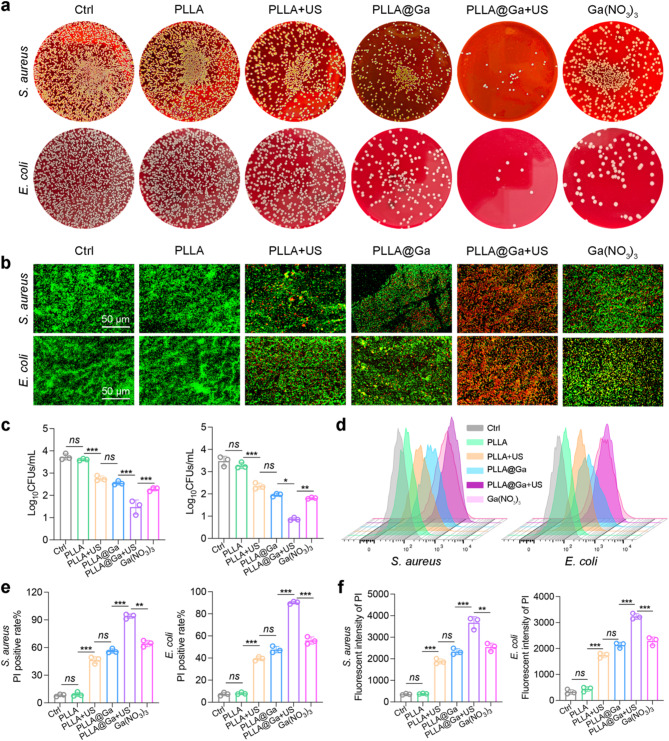
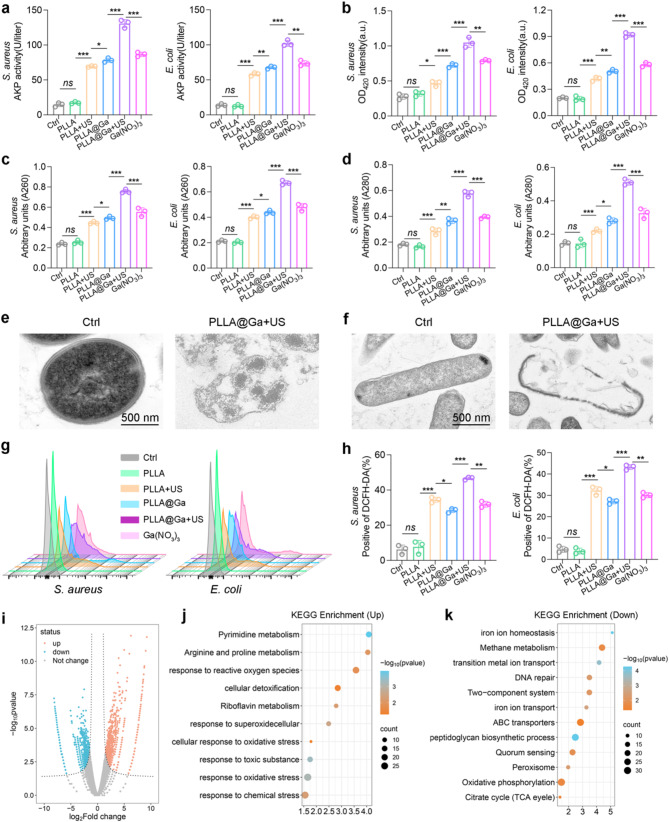
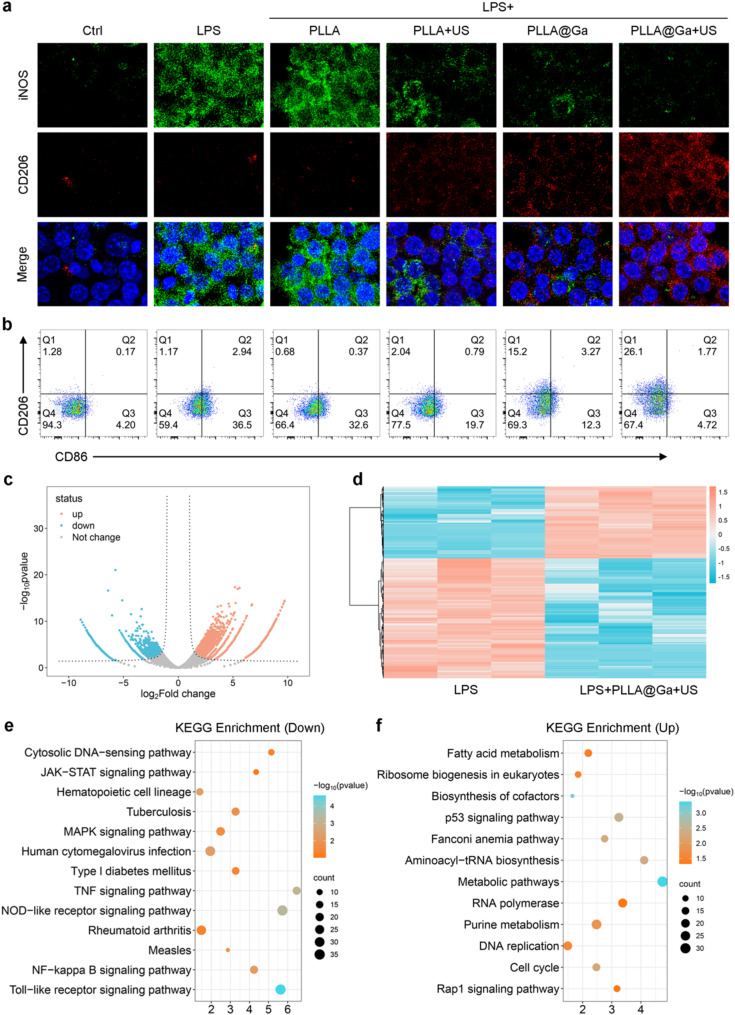
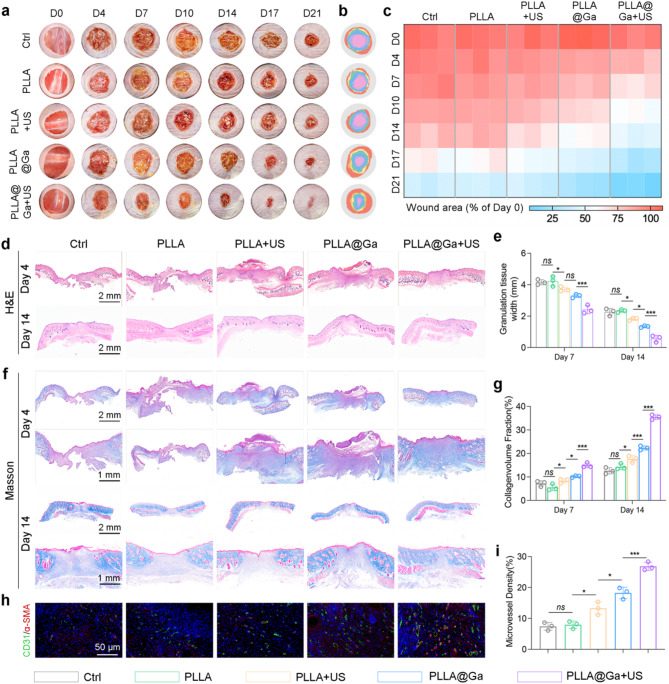
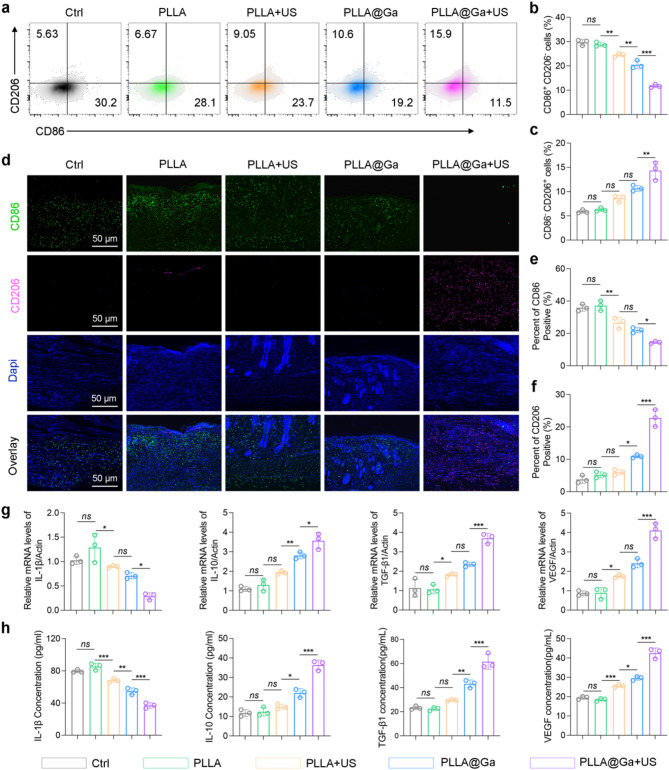
The microenvironment and healing process of diabetic wounds are highly complex, necessitating the development of wound dressings that combine excellent biocompatibility, superior antibacterial properties, and immune-regulating capabilities. However, achieving this goal remains a significant challenge. In this study, a multifunctional electrospun dressing (polylactic acid@Ga, PLLA@Ga) was designed and fabricated by integrating sonodynamic therapy with gallium-doped mesoporous bioactive glass (Ga-MBG). Compared to pure PLLA materials, PLLA@Ga exhibited remarkable antibacterial effects in vitro and demonstrated effective anti-infection properties in vivo. These effects are primarily attributed to the release of Ga ions, which competitively replace iron, thereby disrupting iron-dependent bacterial enzymes and ultimately leading to bacterial death. Additionally, in vitro experiments showed that PLLA@Ga could promote macrophage polarization from the M1 to M2 phenotype, effectively modulating the immune microenvironment of diabetic infected wounds. In vivo wound healing experiments further revealed that PLLA@Ga significantly enhanced collagen deposition and angiogenesis, accelerating the healing process of infected diabetic wounds. Thus, the multifunctional electrospun dressing developed in this study holds great potential as a promising candidate for the treatment of diabetic wounds.
Keywords: Antibacterial; Diabetic wounds; Electrospinning; Ga-MBG; Macrophage.
© 2025. The Author(s).
Conflict of interest statement
Declarations. Ethics approval and consent to participate: The procedures involving the animals and their care were conducted in conformity with national and international laws and policies. The animal experiments were approved by Changhai Hospital. Consent for publication: All authors agreed with the publisher to publish this work. Competing interests: The authors declare no competing interests.
Figures
References
MeSH terms
Substances
LinkOut - more resources
Full Text Sources
