


Updated Meta-Analysis on Vitamin Supplementation for Chronic Pruritus: Expanding Evidence Beyond Vitamin D
- PMID: 40332575
- PMCID: PMC12028138
- DOI: 10.3390/ijms26083840
Updated Meta-Analysis on Vitamin Supplementation for Chronic Pruritus: Expanding Evidence Beyond Vitamin D
Abstract
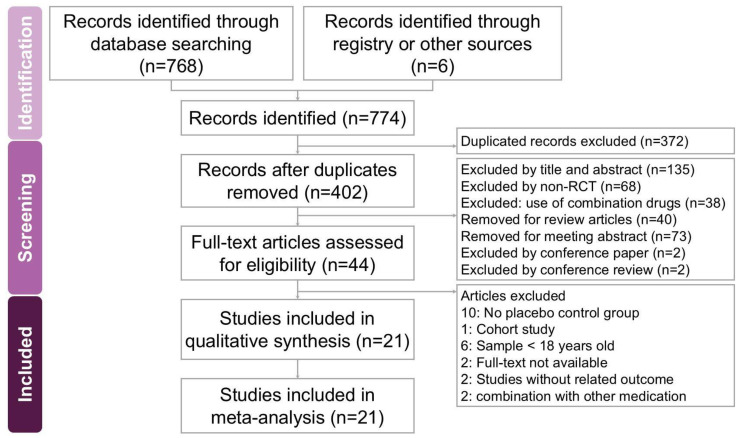
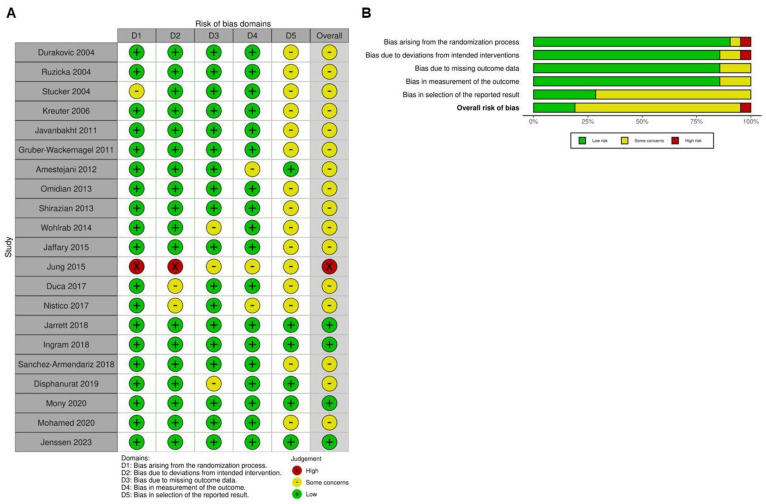
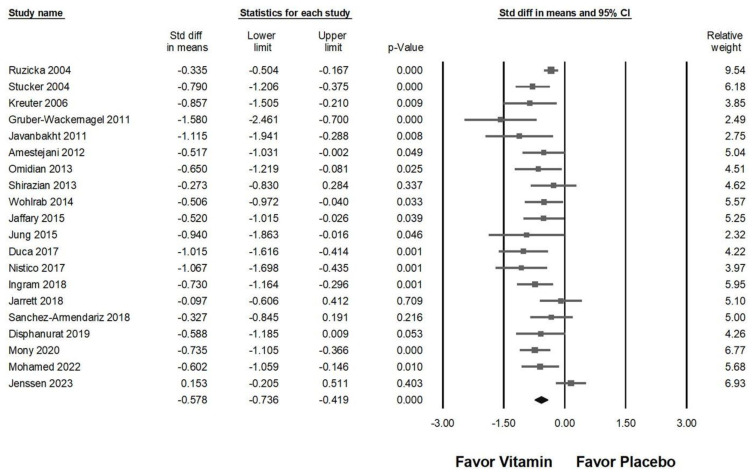
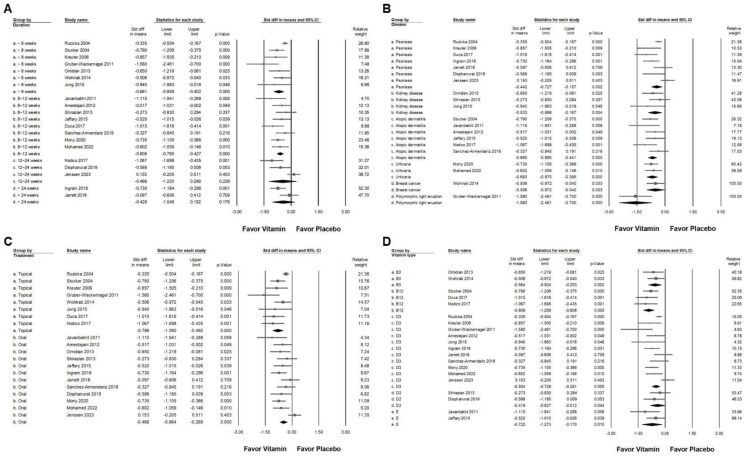
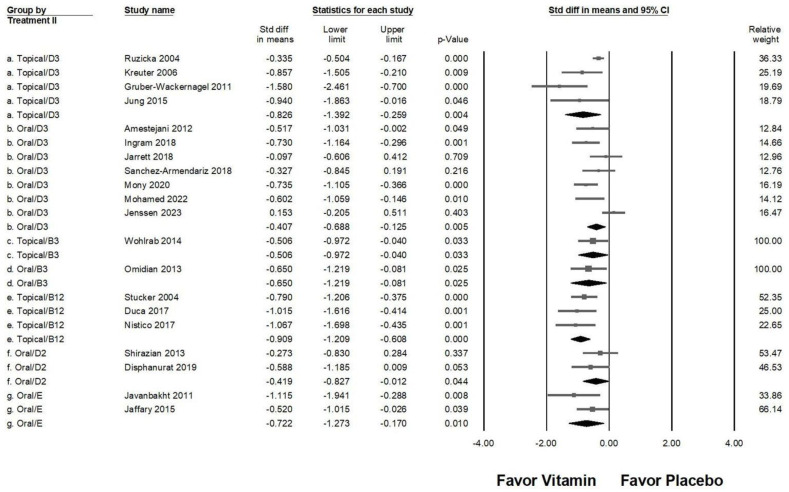
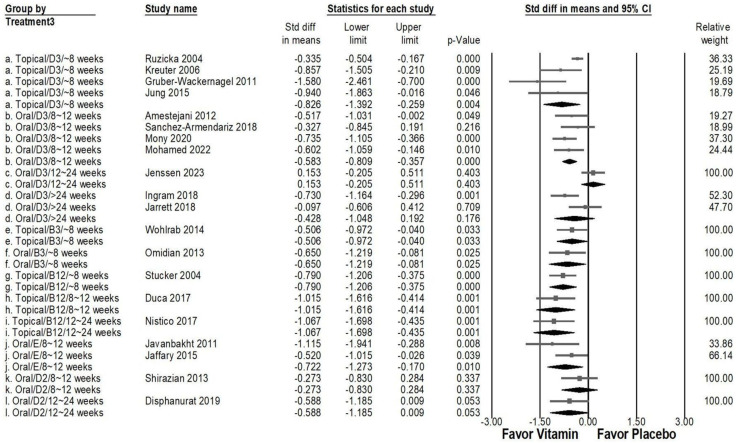
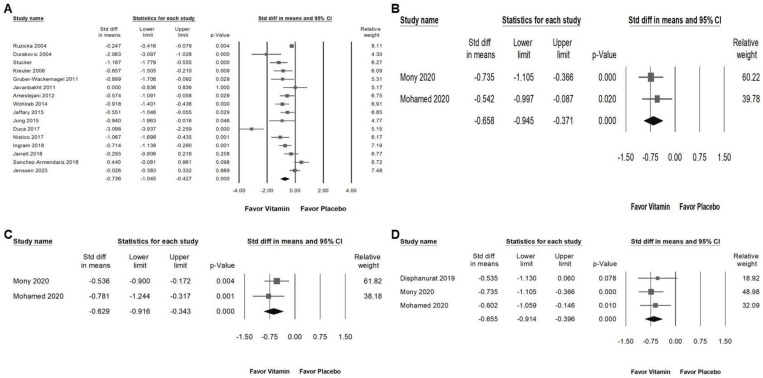
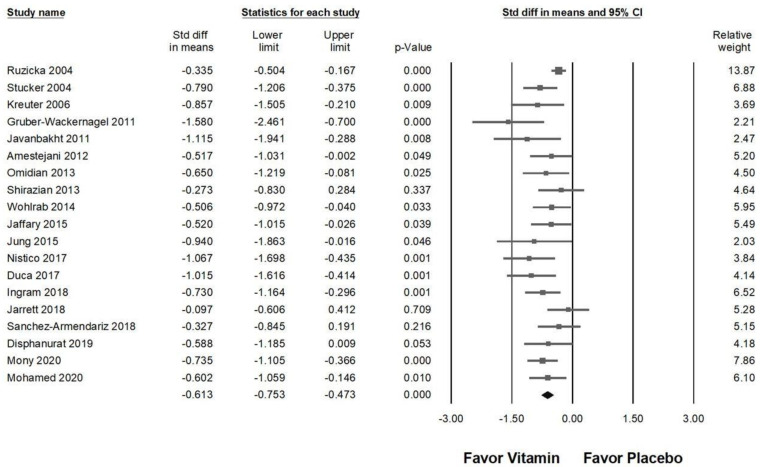
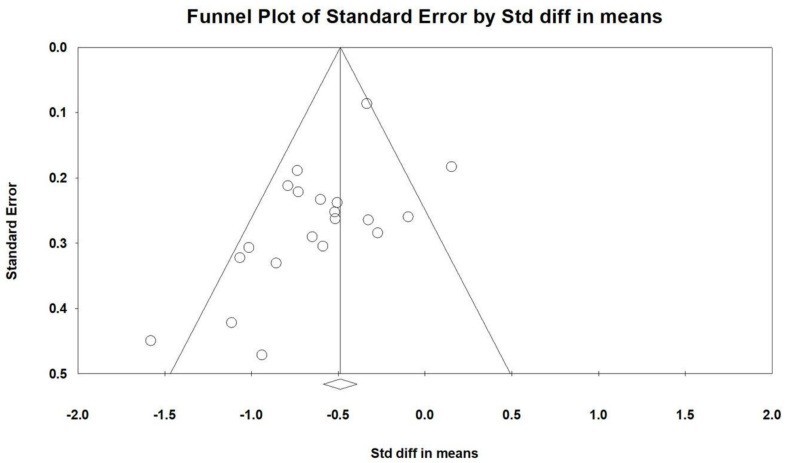
Chronic pruritus is a distressing condition associated with various dermatological and systemic diseases, significantly impairing patients' quality of life. While conventional treatments such as antihistamines and corticosteroids offer relief, their efficacy varies, and long-term use may lead to adverse effects. Emerging evidence suggests that certain vitamins, including vitamin D, vitamin E, vitamin B12, and niacinamide (B3), may play a role in alleviating pruritus through their anti-inflammatory, immune-regulatory, and skin barrier-enhancing properties. However, the effectiveness of these vitamins in managing chronic pruritus remains unclear. This meta-analysis aims to update and expand the evaluation of vitamin supplementation in reducing pruritus severity across different underlying conditions, extending the scope beyond vitamin D to include vitamins B and E. A comprehensive search was performed across PubMed, Embase, Web of Science, and Cochrane Library databases up to January 2025 to identify randomized controlled trials (RCTs) evaluating the effects of vitamin supplementation on chronic pruritus. A total of 21 RCTs (n = 1723) were included in the meta-analysis. Compared to placebo, vitamin supplementation demonstrated a significant reduction in pruritus severity (Standardized Mean Difference [SMD]: -0.578, 95% CI: -0.736 to -0.419, p = 0.000; I2 = 53.630, p = 0.003). Subgroup analysis revealed that topical vitamin B12 and vitamin D3 showed the most pronounced antipruritic effects, particularly in patients with atopic dermatitis and chronic kidney disease-associated pruritus. Sensitivity analysis confirmed the robustness of the findings; however, potential publication bias was suggested by Egger's regression test (p = 0.00979), indicating that the overall effect may be influenced by small-study effects or underreporting of negative results. This meta-analysis indicates that vitamin B, D, and E supplementation may serve as effective adjunct therapies for managing chronic pruritus. However, the variability among the included studies highlights the necessity for well-structured, long-term RCTs to determine the ideal dosage, treatment duration, and target patient populations that would derive the greatest benefit from vitamin-based interventions.
Keywords: chronic non-communicable diseases; cytokine; health prevention; inflammation; niacinamide; vitamin.
Conflict of interest statement
The authors declare no conflict of interest.
Figures
References
-
- Chang A.-S., Chen S.C., Osterberg L., Brandt S., von Grote E.C., Meckfessel M.H. A daily skincare regimen with a unique ceramide and filaggrin formulation rapidly improves chronic xerosis, pruritus, and quality of life in older adults. Geriatr. Nurs. 2018;39:24–28. doi: 10.1016/j.gerinurse.2017.05.002. - DOI - PubMed
Publication types
MeSH terms
Substances
LinkOut - more resources
Full Text Sources
Medical
