


Plasma-based proteomics analysis of molecular pathways in canine diabetes mellitus after astaxanthin supplementation
- PMID: 40333882
- PMCID: PMC12057883
- DOI: 10.1371/journal.pone.0321509
Plasma-based proteomics analysis of molecular pathways in canine diabetes mellitus after astaxanthin supplementation
Abstract
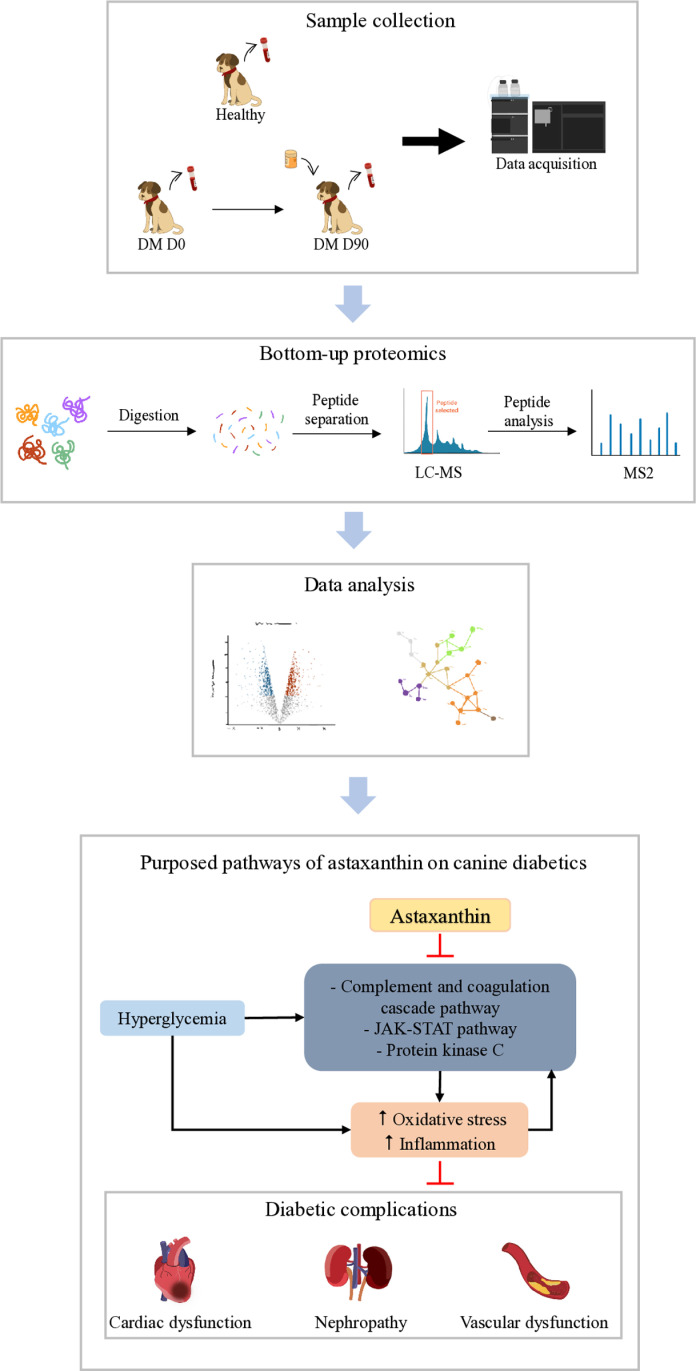
The hyperglycemic state in diabetes mellitus induces oxidative stress and inflammation, contributing to diabetic tissue damage and associated complications. Astaxanthin, a potent antioxidant carotenoid, has been investigated for its potential to prevent and manage diabetes across various species; however, its effect on client-owned dogs remains poorly studied. This study explored the impact of astaxanthin supplementation on canine diabetes mellitus using a proteomics approach. A total of 18 client-owned dogs were enrolled: 6 dogs with diabetes mellitus and 12 clinically healthy dogs. The diabetic dogs received their standard treatment regimen along with daily oral supplementation of 12 mg of astaxanthin (1.5-2.4 mg/kg) for 90 days. Plasma samples were collected at the beginning and end of the study period for proteomics analysis. After astaxanthin supplementation, significant alterations in the expression of proteins associated with the complement system, coagulation cascade, JAK-STAT signaling, and protein kinase C signaling (all of which contribute to inflammation and oxidative stress) were observed. Astaxanthin exhibited potential for reducing diabetes-associated complications, such as insulin resistance, vascular dysfunction, nephropathy, and cardiac issues, even though it did not affect clinical parameters (hematology, plasma biochemistry, blood glucose, and serum fructosamine). These findings suggest that astaxanthin may be a valuable complementary therapy for managing diabetes-related complications in canines.
Copyright: © 2025 Phochantachinda et al. This is an open access article distributed under the terms of the Creative Commons Attribution License, which permits unrestricted use, distribution, and reproduction in any medium, provided the original author and source are credited.
Conflict of interest statement
The authors have declared that no competing interests exist.
Figures
References
-
- Davison LJ, Ristic JM., Herrtage ME, Ramsey IK, Catchpole B. Anti-insulin antibodies in dogs with naturally occurring diabetes mellitus. Veterinary Immunology and Immunopathology, 2003. 91(1):53-60. - PubMed
MeSH terms
Substances
LinkOut - more resources
Full Text Sources
Medical
