


Melatonin alleviates sepsis-induced acute lung injury by inhibiting necroptosis via reducing circulating mtDNA release
- PMID: 40335920
- PMCID: PMC12057123
- DOI: 10.1186/s10020-025-01228-z
Melatonin alleviates sepsis-induced acute lung injury by inhibiting necroptosis via reducing circulating mtDNA release
Abstract
Background: Sepsis is a life-threatening condition that often leads to severe complications, including acute lung injury (ALI), which carries high morbidity and mortality in critically ill patients. Melatonin (Mel) has shown significant protective effects against sepsis-induced ALI, but its precise mechanism remains unclear.
Methods: A cecal ligation and puncture (CLP) model was used to induce sepsis in male C57BL/6 mice, which were divided into four groups: Control, Sham, CLP, and CLP + Mel. ALI severity was evaluated via hematoxylin and eosin (H&E) staining, lung wet/dry ratio, and serum biomarkers (SP-D, sRAGE). Inflammatory cytokines (IL-1β, IL-6, TNF-α) were measured in serum and bronchoalveolar lavage fluid using ELISA. Circulating mitochondrial DNA (mtDNA) subtypes (D-loop, mt-CO1, mMito) were quantified by real-time PCR. TUNEL staining was performed to assess lung cell apoptosis. Necroptosis and STING pathway activation were analyzed via Western blot and immunofluorescence.
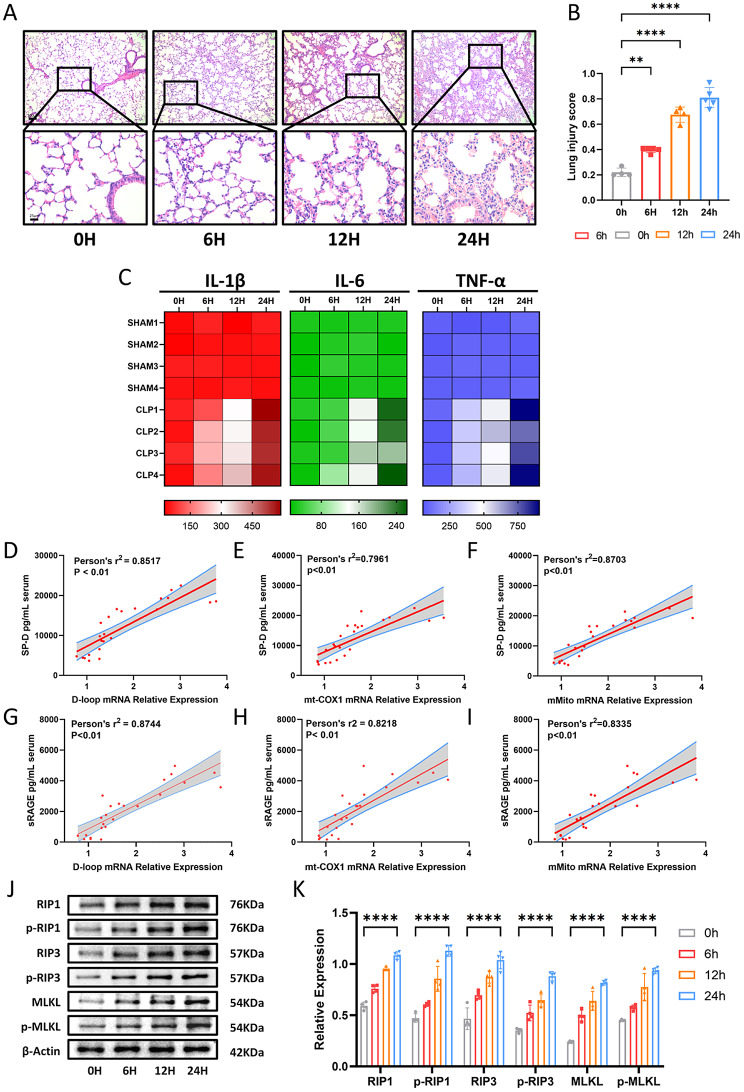
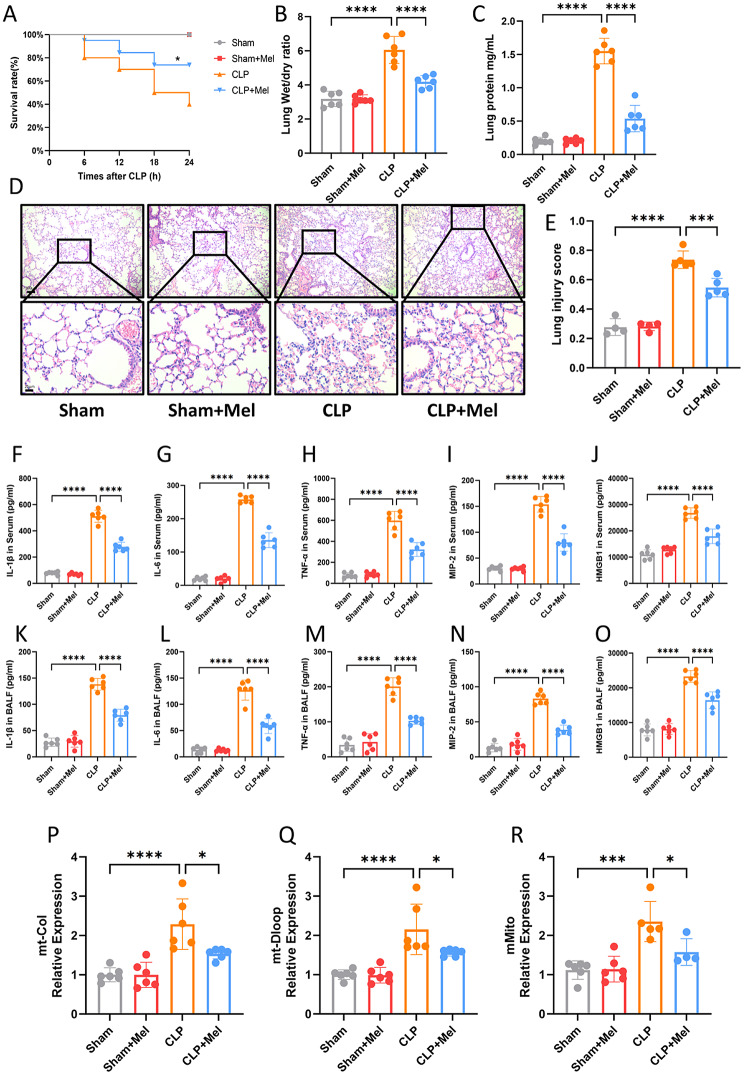
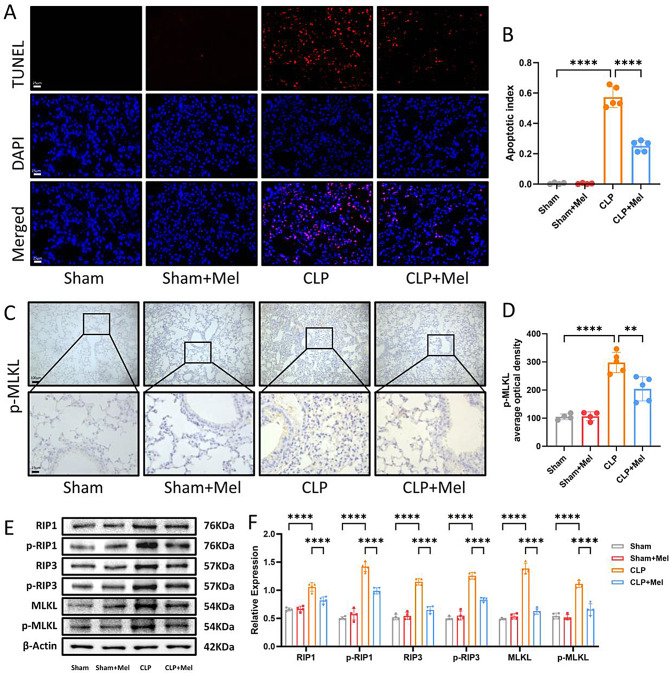
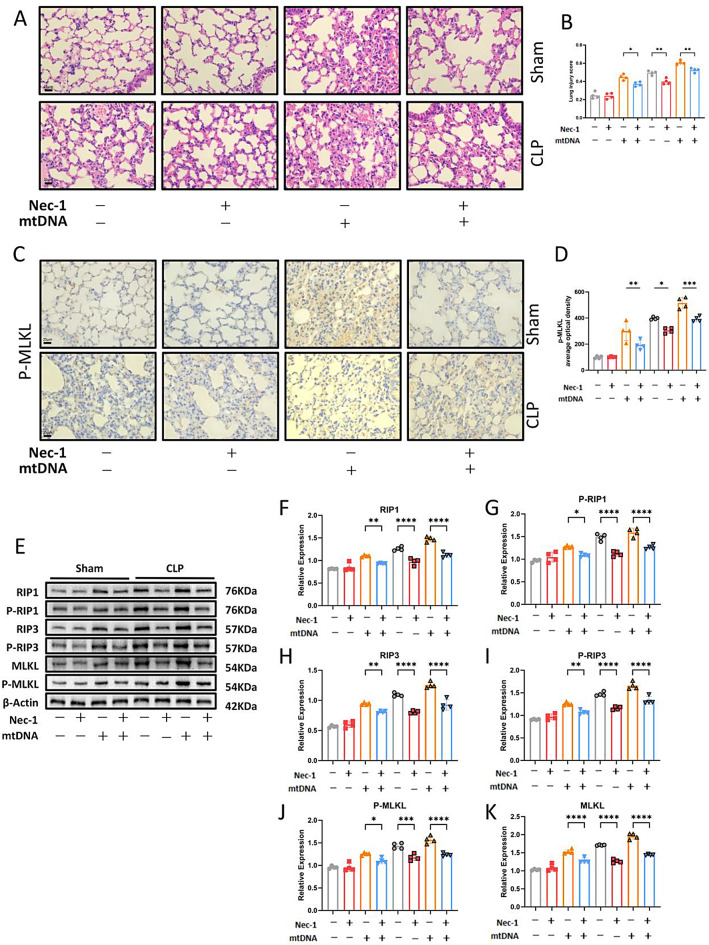
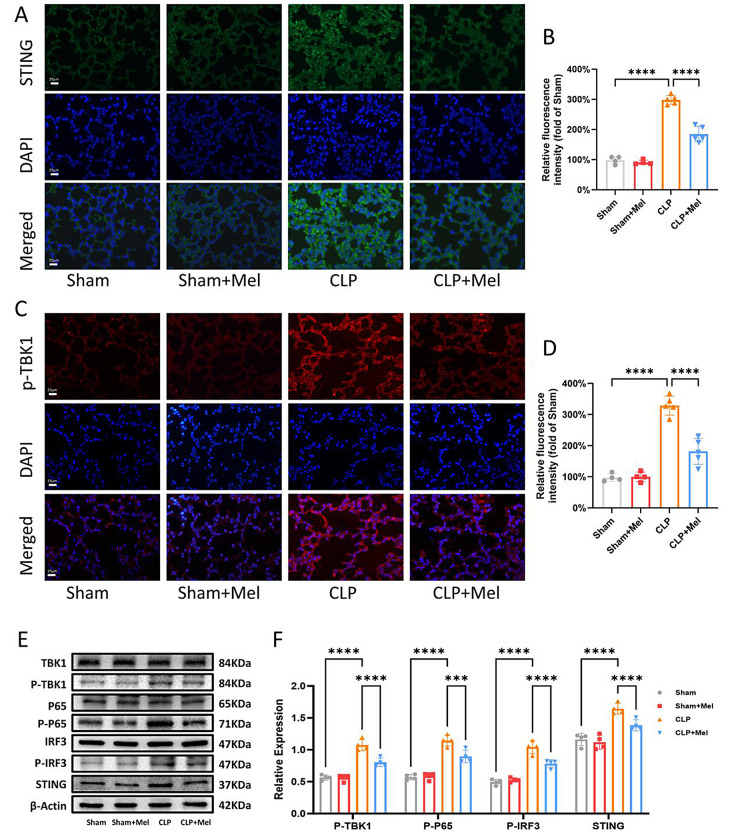
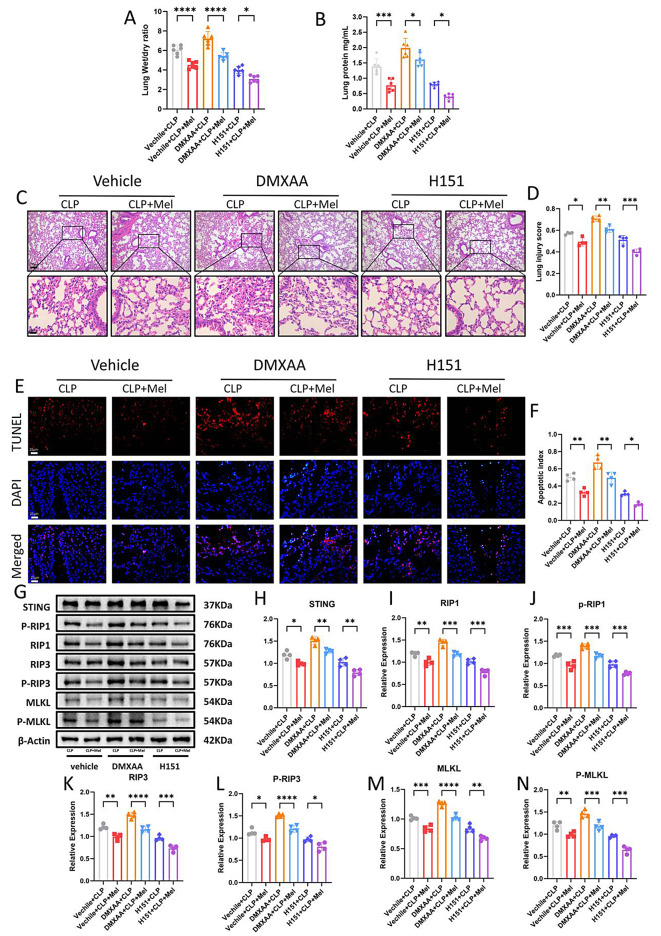
Results: Sepsis led to increased circulating mtDNA levels and activation of necroptosis signaling pathways. Melatonin treatment alleviated sepsis-induced ALI, improving survival, reducing inflammatory cytokines and mtDNA release, and suppressing necroptosis. Intraperitoneal injection of mtDNA in mice activated necroptosis, while RIP1 inhibitor Nec-1 counteracted mtDNA-induced lung damage and necroptosis in sepsis-induced ALI. Additionally, melatonin significantly inhibited STING pathway activation. Further experiments revealed that STING modulation influenced necroptosis protein expression and mediated melatonin's protective effects in sepsis-induced ALI.
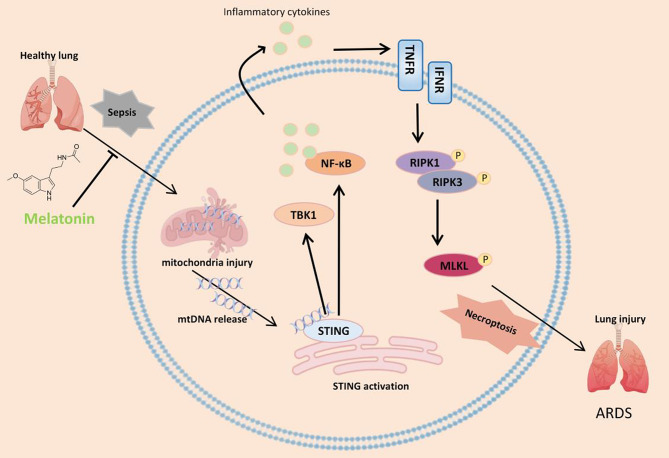
Conclusion: Melatonin mitigates sepsis-induced ALI by suppressing necroptosis through inhibition of STING activation and reduction of mtDNA release. These findings suggest melatonin as a potential therapeutic strategy for sepsis-induced ALI.
Keywords: ALI; Melatonin; Necroptosis; Sepsis; mtDNA-STING.
© 2025. The Author(s).
Conflict of interest statement
Declarations. Ethics approval and consent to participate: All animal experimental procedures were conducted in accordance with the National Institutes of Health (NIH) guidelines, and ethical approval was obtained from the Committee of Guangdong Provincial People’s Hospital. Consent for publication: The author confirms that the work described has not been published previously and is not under consideration for publication elsewhere. Competing interests: The authors declare no competing interests.
Figures
References
-
- Bos LDJ, Ware LB. Acute respiratory distress syndrome: causes, pathophysiology, and phenotypes. Lancet. 2022;400(10358):1145–56. - PubMed
MeSH terms
Substances
Grants and funding
LinkOut - more resources
Full Text Sources
Medical
Research Materials
Miscellaneous
