


Molecular assessment of Coxiella burnetii in horses in Northwestern Iran
- PMID: 40337692
- PMCID: PMC12053428
- DOI: 10.18502/ijm.v17i2.18389
Molecular assessment of Coxiella burnetii in horses in Northwestern Iran
Abstract
Background and objectives: Q fever is a frequently occurring illness that is induced by the bacterium Coxiella burnetii (C. burnetii) that can infect humans and various animals. It targets the macrophage cells in the tissues, and circulating monocytes.
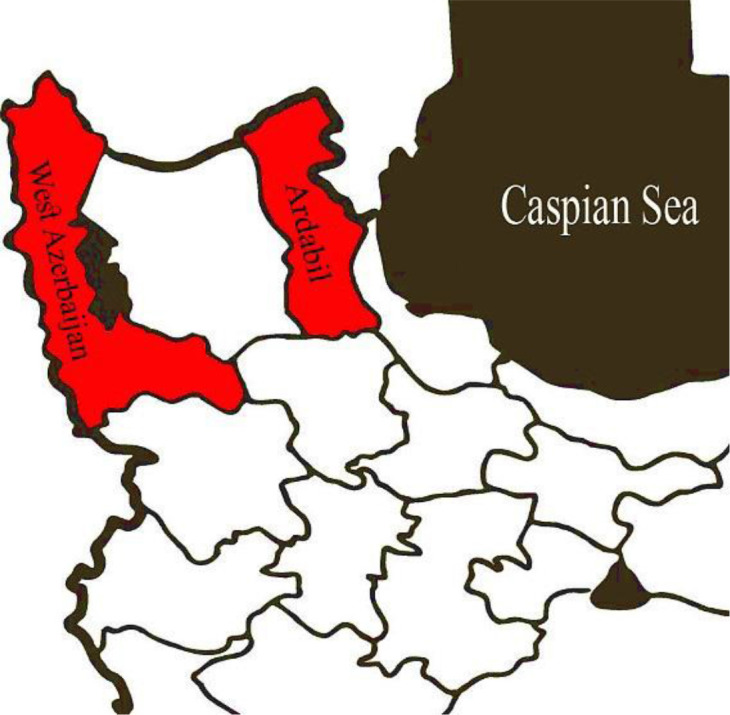
Materials and methods: This study was conducted between 2022 and 2023 in the West Azerbaijan and Ardabil provinces of northwestern Iran to examine the presence infection of C. burnetii. Specimens were obtained by swabbing from 140 mares (70 from each province) and 20 stallions (10 from each province) which were apparently healthy, and their DNA was analyzed using quantitative PCR assay detecting the IS1111 element of the bacterium.
Results: The findings indicated that a mere 0.625% of the examined specimens tested positive for C. burnetii. Among the entire set of specimens, a single female horse from the region of Ardabil was found to be the carrier of the bacterium.
Conclusion: This suggested that even though horses may not display any clinical symptoms, they can still harbor C. burnetii and contribute to its transmission. Therefore, the potential contribution of horses to Q fever transmission should be considered.
Keywords: Coxiella burnetii; Horse; Iran; Polymerase chain reaction.
Copyright © 2025 The Authors. Published by Tehran University of Medical Sciences.
Figures
References
-
- Gharban HA, Yousif AA. Serological and molecular phylogenetic detection of Coxiella burnetii in lactating cows, Iraq. Iraqi J Vet Med 2020; 44: 42–50.
-
- Karagiannis I, Schimmer B, Van Lier A, Timen A, Schneeberger P, Van Rotterdam B, et al. Investigation of a Q fever outbreak in a rural area of The Netherlands. Epidemiol Infect 2009; 137: 1283–1294. - PubMed
-
- Guatteo R, Seegers H, Taurel A-F, Joly A, Beaudeau F. Prevalence of Coxiella burnetii infection in domestic ruminants: a critical review. Vet Microbiol 2011; 149: 1–16. - PubMed
LinkOut - more resources
Full Text Sources