


Prediction of new candidate proteins and analysis of sub-modules and protein hubs associated with seed development in rice (Oryza sativa) using an ensemble network-based systems biology approach
- PMID: 40340735
- PMCID: PMC12060574
- DOI: 10.1186/s12870-025-06595-7
Prediction of new candidate proteins and analysis of sub-modules and protein hubs associated with seed development in rice (Oryza sativa) using an ensemble network-based systems biology approach
Abstract
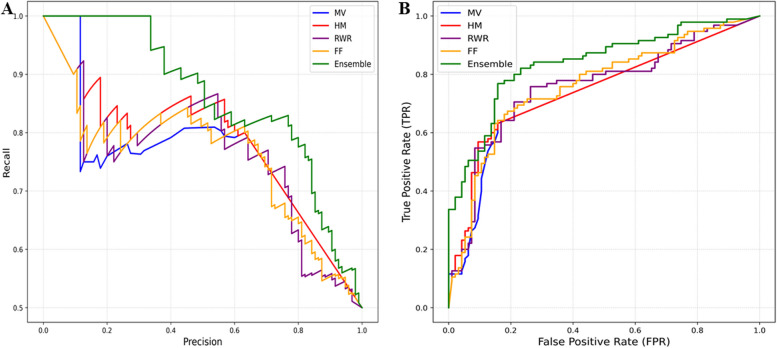
Background: Rice is a critical global food source, but it faces challenges due to nutritional deficiencies and the pressures of a growing population. Understanding the molecular mechanisms and protein functions in rice seed development is essential to improve yield and grain quality. However, there is still a significant knowledge gap regarding the key proteins and their interactions that govern rice seed development. Protein-protein interaction (PPI) analysis is a powerful tool for studying developmental processes like seed development, though its potential in rice research is yet to be fully realized. With the aim of unraveling the protein interaction landscape associated with rice seed development, this systems biology study conducted a PPI network-based analysis. Using a list of known seed development proteins from the Gene Ontology (GO) knowledgebase and literature, novel candidate proteins for seed development were predicted using an ensemble of network-based algorithms, including Majority Voting, Hishigaki Algorithm, Functional Flow, and Random Walk with Restart, which were selected based on their popularity and usability. The predictions were validated using enrichment analysis and cross-checked with independent transcriptomic analysis results. The rice seed development sub-network was further analyzed for community and hub detection.
Results: The study predicted 196 new proteins linked to rice seed development and identified 14 sub-modules within the network, each representing different developmental pathways, such as endosperm development and seed growth regulation. Of these, 17 proteins were identified as intra-modular hubs and 6 as inter-modular hubs. Notably, the protein SDH1 emerged as a dual hub, acting as both an intra-modular and inter-modular hub, highlighting its importance in seed development PPI network stability.
Conclusions: These findings, including the identified hub proteins and sub-modules, provide a better understanding of the PPI interaction landscape governing seed development in rice. This information is useful for achieving a systems biology understanding of seed development. This study implements an ensemble of algorithms for the analysis and showcases how systems biology techniques can be applied in developmental biology.
Keywords: Agronomics; Hub proteins; Network-based algorithms; PPI network; Rice; Sub-modules.
© 2025. The Author(s).
Conflict of interest statement
Declarations. Ethics approval and consent to participate: Not Applicable. Consent for publication: All authors have read and approved the final manuscript for publication. Competing interests: The authors declare no competing interests.
Figures



References
-
- Huang R, Jiang L, Zheng J, Wang T, Wang H, Huang Y. Genetic bases of rice grain shape: So many genes, so little known. Trends Plant Sci. 2013;18:218–26. - PubMed
-
- King T, Cole M, Farber JM, Eisenbrand G, Zabaras D, Fox EM. Food safety for food security: Relationship between global megatrends and developments in food safety. Trends Food Sci Technol. 2017;68:160–75.
-
- Deng ZY, Gong CY, Wang T. Use of proteomics to understand seed development in rice. Proteomics. 2013;13(12–13):1784–800. - PubMed
MeSH terms
Substances
LinkOut - more resources
Full Text Sources
Miscellaneous
