Management and Outcomes of Clostridioides difficile Infection in Patients on Immune Checkpoint Inhibitors
- PMID: 40341188
- PMCID: PMC12476593
- DOI: 10.6004/jnccn.2024.7355
Management and Outcomes of Clostridioides difficile Infection in Patients on Immune Checkpoint Inhibitors
Abstract
Background: Data on the severity, management, and outcomes of Clostridioides difficile infection (CDI) in patients presenting with diarrhea while receiving immune checkpoint inhibitors (ICIs) are limited. This study aimed to evaluate the course of CDI in this population and the overlapping diagnosis of immune-related enterocolitis (irEC).
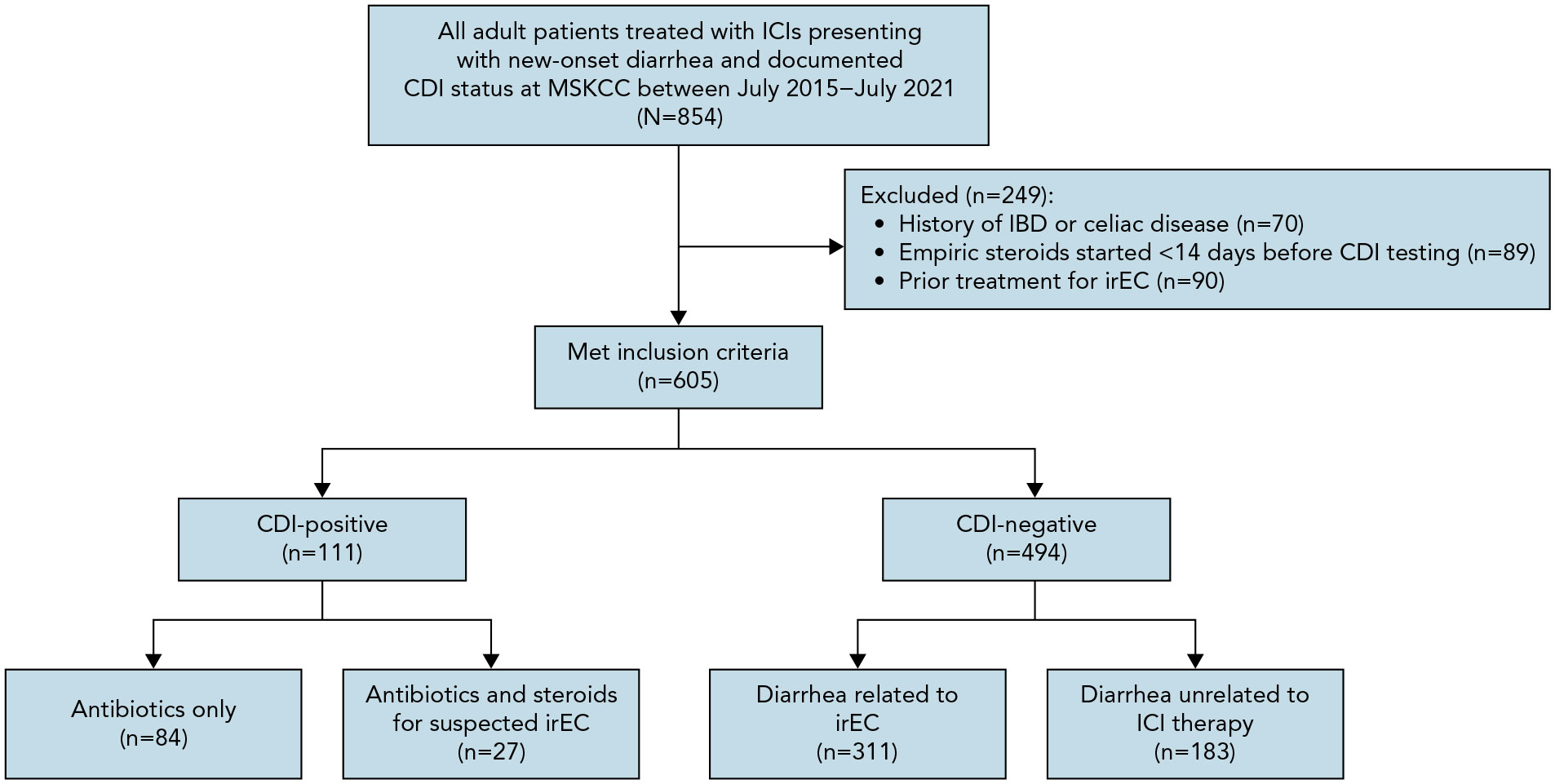
Methods: This retrospective cohort included ICI-treated patients who presented with diarrhea and underwent CDI stool nucleic acid amplification PCR testing at Memorial Sloan Kettering Cancer Center between July 2015 and July 2021. Primary outcomes included CDI frequency, treatment regimens, and the need for immunosuppression for irEC.
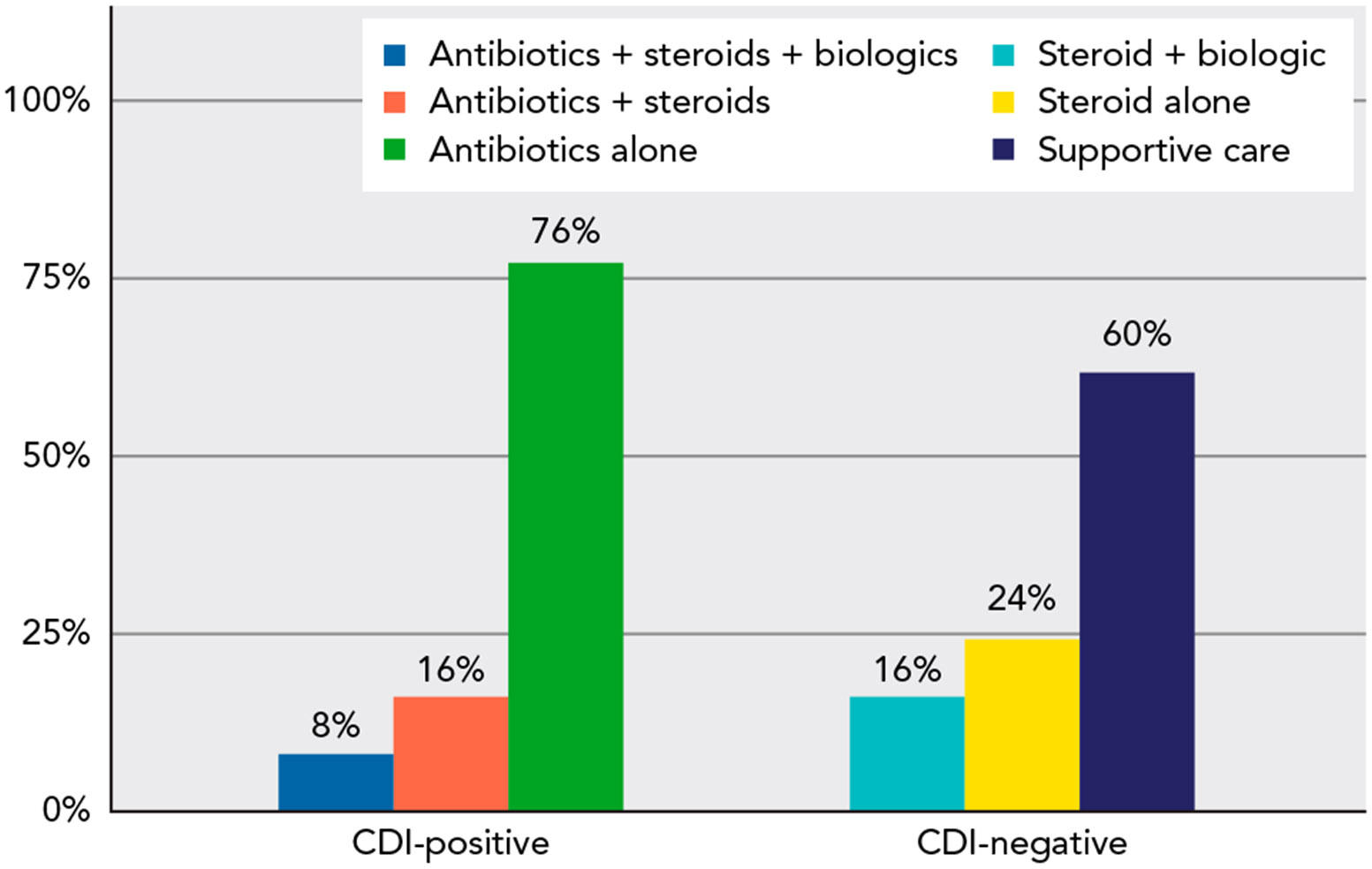
Results: Among 605 ICI-treated patients presenting with diarrhea, 111 (18%) tested positive for CDI. Of these, 84 (76%) were successfully treated with antibiotics alone, whereas 27 (24%) received additional immunosuppressive therapy for suspected or confirmed irEC. Compared with CDI-negative patients, those with CDI had higher rates of prior antibiotic exposure, abdominal pain, fever, bloody stools, and more severe diarrhea and colitis. However, they had lower rates of irEC requiring immunosuppression. Factors associated with the receipt of immunosuppression included CTLA-4-based immunotherapy and grade 3-4 diarrhea and colitis. The CDI recurrence rate was 20%, regardless of the treatment regimen used.
Conclusions: In the largest cohort to date of ICI-treated patients with diarrhea, CDI was identified in 18% of cases and was associated with prior antibiotic therapy. Most patients responded to antibiotics alone; however, 24% required immunosuppression for concurrent irEC, and 20% experienced CDI recurrence. Prompt CDI testing and thoughtful clinical treatment and monitoring may improve outcomes in this population.
Figures
References
-
- Postow MA, Sidlow R, Hellmann MD. Immune-related adverse events associated with immune checkpoint blockade. N Engl J Med 2018;378:158–168. - PubMed
MeSH terms
Substances
Grants and funding
LinkOut - more resources
Full Text Sources
Medical