The role of ferroptosis in Alzheimer's disease: Mechanisms and therapeutic potential (Review)
- PMID: 40341407
- PMCID: PMC12076055
- DOI: 10.3892/mmr.2025.13557
The role of ferroptosis in Alzheimer's disease: Mechanisms and therapeutic potential (Review)
Abstract
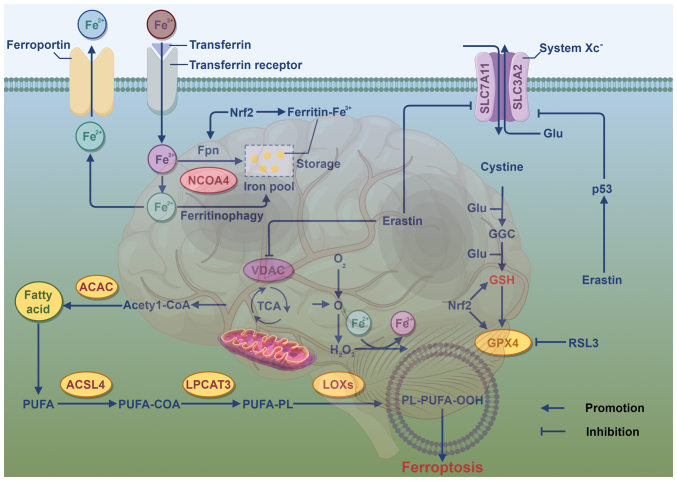
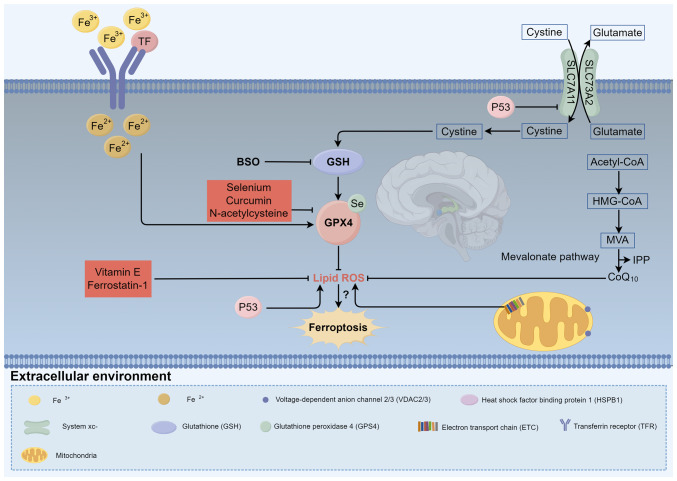
Alzheimer's disease (AD) is a prevalent neurodegenerative disorder characterized by insidious onset and progressive symptom deterioration. It extends beyond a simple aging process, involving irreversible and progressive neurological degeneration that impairs brain function through multiple etiologies. Iron dysregulation is implicated in the pathophysiology of AD; however, the precise mechanisms remain unclear. Additionally, vitamin E and selenium are key in regulating ferroptosis through their antioxidant properties. The present review examined the mechanistic pathways by which ferroptosis contributes to AD, the regulatory roles of vitamin E, selenium, ferrostatin‑1, N‑acetylcysteine and curcumin, and their potential as therapeutic agents to mitigate neurodegeneration.
Keywords: Alzheimer's disease; drug; ferroptosis; pathophysiology.
Conflict of interest statement
The authors declare that they have no competing interests.
Figures
References
Publication types
MeSH terms
Substances
LinkOut - more resources
Full Text Sources
Medical