


Insights from bidirectional Mendelian randomization: Evaluating the influence of circulating inflammatory cytokines on prostatitis
- PMID: 40355178
- PMCID: PMC12073858
- DOI: 10.1097/MD.0000000000042438
Insights from bidirectional Mendelian randomization: Evaluating the influence of circulating inflammatory cytokines on prostatitis
Abstract
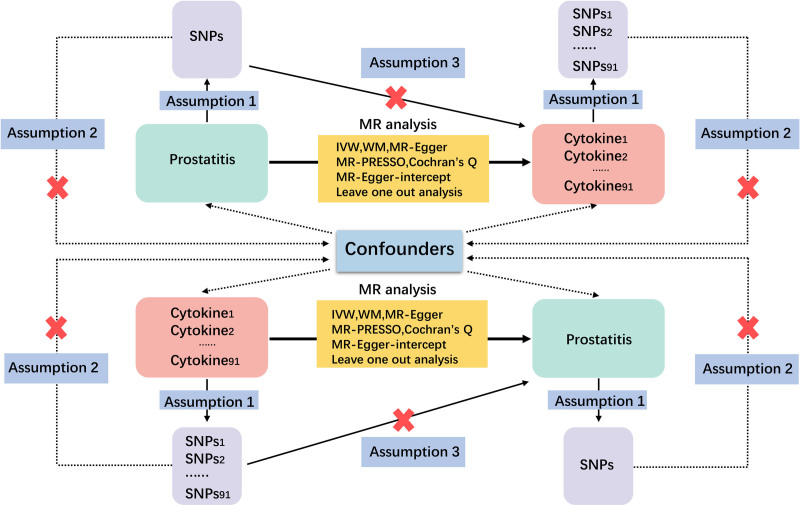
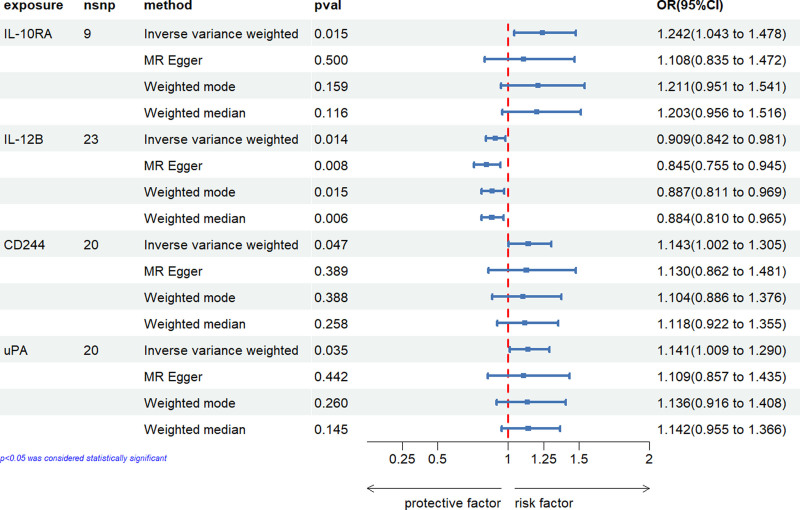
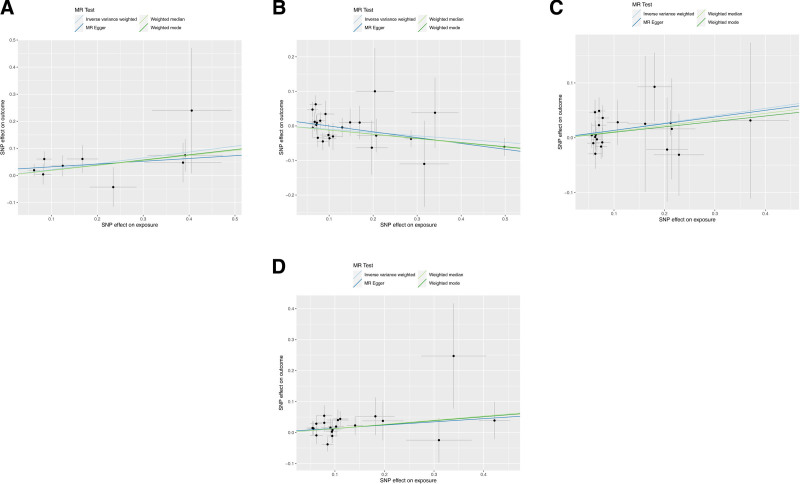
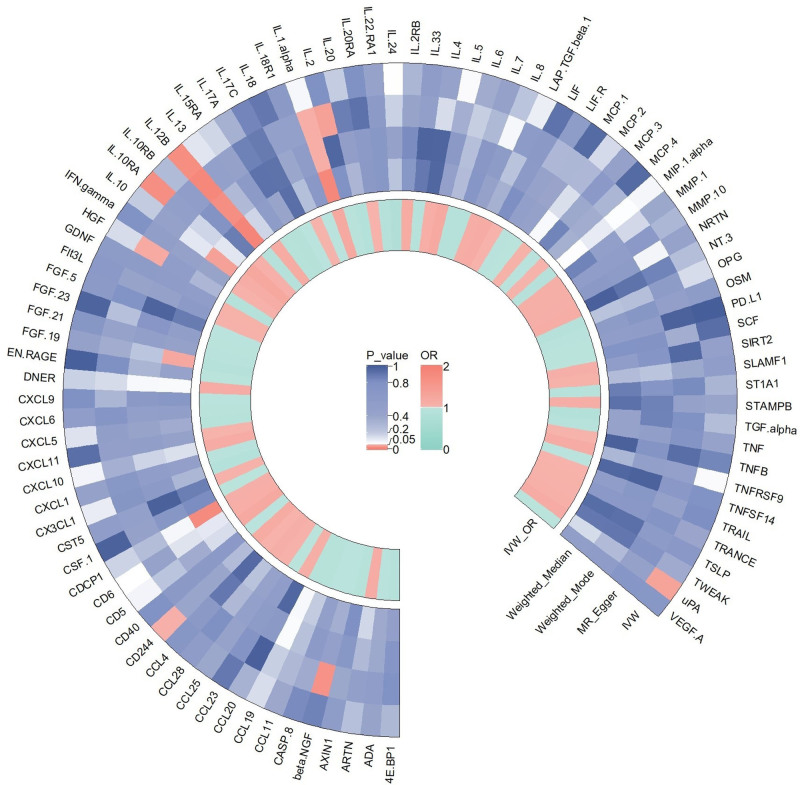
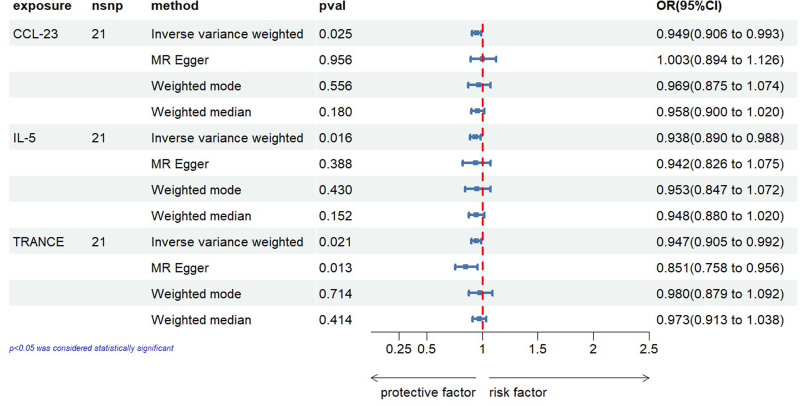
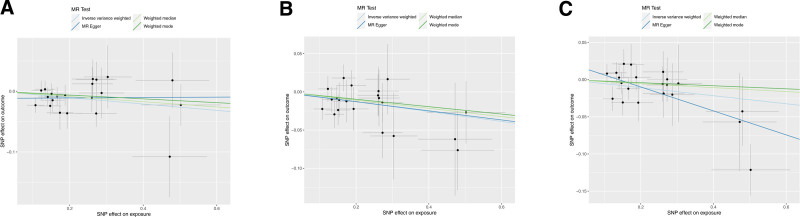
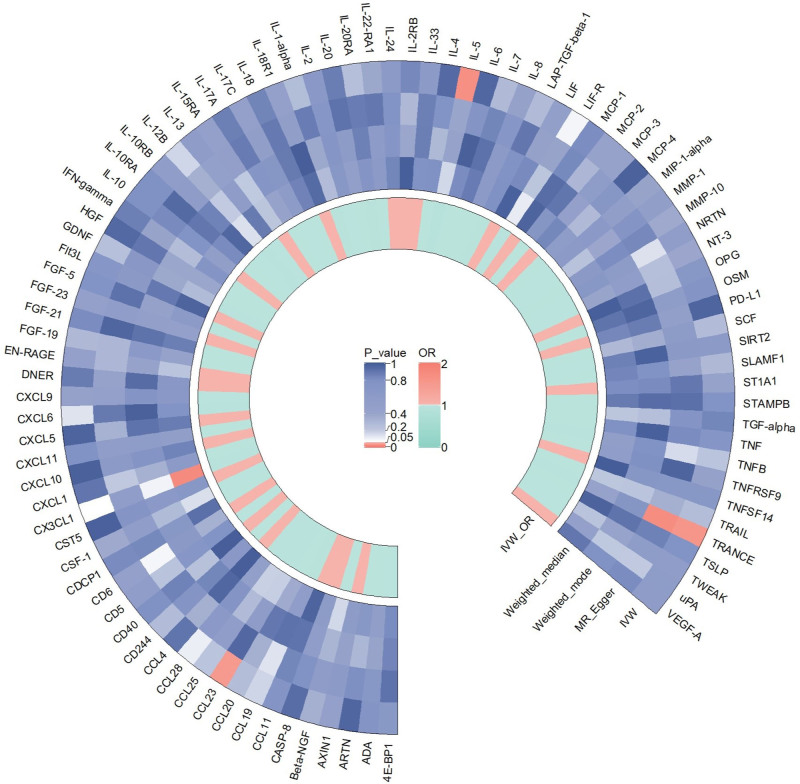
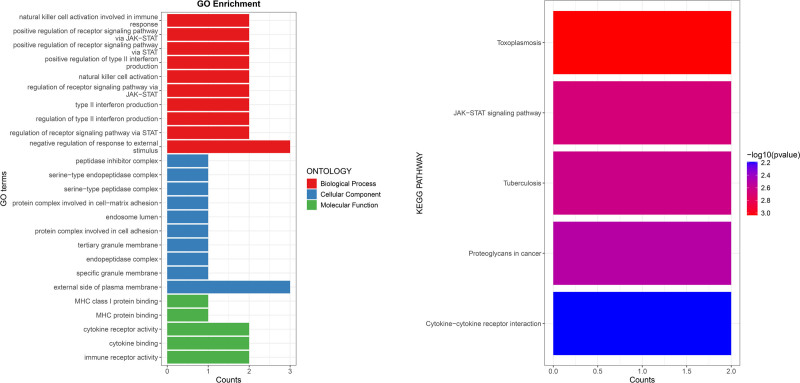
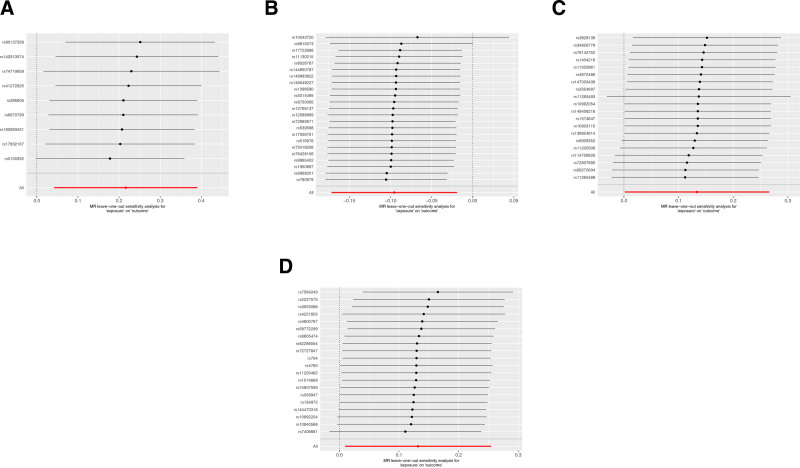
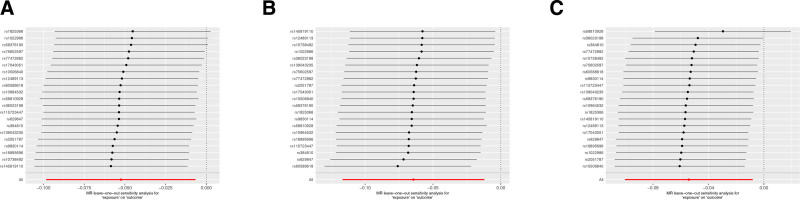
Research on prostatitis has primarily focused on inflammatory cytokines in semen or prostatic secretions, with relatively few studies investigating circulating inflammatory cytokines. To explore the relationship between prostatitis and circulating inflammatory cytokines, this study employed bidirectional two-sample Mendelian randomization (MR) to assess the potential associations between prostatitis and 91 circulating inflammatory cytokines. We performed bidirectional MR to explore causal links between 91 circulating inflammatory cytokines and prostatitis. Data were sourced from 14,824 individuals of European ancestry and the Finngen database for prostatitis. The inverse variance-weighted (IVW) method was the primary tool, complemented by MR-Egger, weighted median, weighted mode, and MR-PRESSO to enhance result robustness. Heterogeneity and pleiotropy evaluations were conducted, and GO/KEGG enrichment analyses were used to explore the biological pathways linked to these inflammatory factors and prostatitis. The MR results revealed that Interleukin-10 receptor A (IL-10RA), Natural Killer Cell Receptor 2B4 (CD244), and urokinase-type plasminogen activator (uPA) were identified as risk factors for prostatitis (IVWIL-10RA: OR = 1.242, 95% CI: 1.043-1.478, P = .015; IVWCD244: OR = 1.143, 95% CI: 1.002-1.305, P = .047; IVWuPA: OR = 1.141, 95% CI: 1.009-1.290, P = .035). Conversely, Interleukin-12B (IL-12B) exhibited a protective effect against prostatitis (IVWIL-12B: OR = 0.909, 95% CI: 0.842-0.981, P = .014). Moreover, reverse MR analysis results indicate that prostatitis decreases plasma levels of chemokine (C-C motif) ligand 23 (CCL23), IL-5, and TNF-related activation-induced cytokine (TRANCE) (IVWCCL23: OR = 0.949, 95% CI: 0.906-0.993, P = .025; IVWIL-5: OR = 0.938, 95% CI: 0.890-0.988, P = .016; IVWTRANCE: OR = 0.947, 95% CI: 0.905-0.992, P = .021). This bidirectional MR study identified potential causal links between 7 circulating inflammatory cytokines and prostatitis, offering insights into its pathogenesis and potential targets for future therapies.
Keywords: Mendelian randomization; acupuncture; biomarkers; causal relationship; inflammation; prostatitis.
Copyright © 2025 the Author(s). Published by Wolters Kluwer Health, Inc.
Conflict of interest statement
The authors have no conflicts of interest to disclose.
Figures
References
-
- Pendegast HJ. Chronic prostatitis and chronic pelvic pain syndrome in men. In: StatPearls. U.S. National Library of Medicine; 2024. https://pubmed.ncbi.nlm.nih.gov/38261706/. Accessed February 1, 2024. - PubMed
-
- Khan FU, Ihsan AU, Khan HU, et al. . Comprehensive overview of prostatitis. Biomed Pharmacother. 2017;94:1064–76. - PubMed
-
- Pontari MA. Etiologic theories of chronic prostatitis/chronic pelvic pain syndrome. Curr Urol Rep. 2007;8:307–12. - PubMed
-
- Motrich RD, Salazar FC, Breser ML, et al. . Implications of prostate inflammation on male fertility. Andrologia. 2018;50:e13093. - PubMed
MeSH terms
Substances
Grants and funding
LinkOut - more resources
Full Text Sources
Miscellaneous
