


The impact of the COVID-19 pandemic on hypertension management in southeastern Poland: Challenges and adaptations for emergency medical teams
- PMID: 40355231
- PMCID: PMC12074032
- DOI: 10.1097/MD.0000000000042416
The impact of the COVID-19 pandemic on hypertension management in southeastern Poland: Challenges and adaptations for emergency medical teams
Abstract
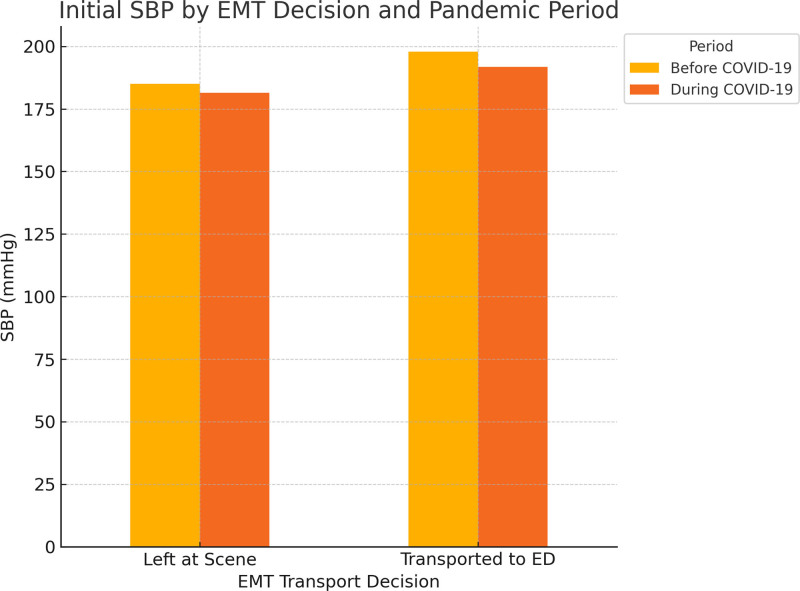
The coronavirus disease 2019 (COVID-19) pandemic introduced unprecedented challenges to healthcare systems, disrupting the management of chronic conditions such as hypertension. This study examines the impact of the COVID-19 pandemic on hypertension management by emergency medical teams (EMTs) in southeastern Poland. A retrospective analysis was conducted using medical emergency activity cards from EMTs in southeastern Poland. The study included 1795 cases of primary hypertension (International Classification of Diseases, 10th Edition: I-10), comparing data from the pre-pandemic period (April 1, 2019-March 31, 2020) to the pandemic period (April 1, 2020-March 31, 2021). Demographic characteristics, blood pressure measurements, pharmacological interventions, and transport decisions were analyzed using Chi-square tests for categorical variables and t-tests for continuous variables. The frequency of hypertension-related emergency calls remained stable between the pre-pandemic and pandemic periods (P = .805). Women accounted for 68.6% (N = 1232) of cases, and the mean age of patients was 63.4 years (SD = 15.2), with no significant age or sex differences between the 2 periods. The mean initial systolic blood pressure (SBP) was significantly higher before the pandemic (189.85 mm Hg) compared to during the pandemic (185.57 mm Hg, P < .001). The proportion of patients with severe hypertension (SBP ≥ 180 mm Hg) decreased from 70.7% to 66.1%, while mild hypertension cases increased from 5.3% to 7.1% (P = .046). The administration of hydroxyzine increased significantly (38.2% vs 45.1%, P = .003), reflecting a greater focus on managing anxiety-related symptoms. Additionally, EMTs treated more patients at the scene rather than transporting them to the emergency department (76.1% vs 62.4%, P < .001), indicating a shift in EMT decision-making to reduce hospital exposure and optimize resource allocation. The COVID-19 pandemic significantly altered the prehospital management of hypertension, leading to lower initial SBP readings, increased anxiolytic use, and reduced hospital transport rates. Age and sex distribution remained stable across both periods. These findings highlight the need for flexible emergency response protocols that integrate mental health considerations and enhance on-site hypertension management. Future research should assess the long-term outcomes of these adaptations and explore strategies to improve prehospital hypertension care in future public health emergencies.
Keywords: COVID-19; blood pressure; emergency medical teams; healthcare adaptation; hypertension; retrospective study; therapeutic interventions; transport decisions.
Copyright © 2025 the Author(s). Published by Wolters Kluwer Health, Inc.
Conflict of interest statement
The authors have no funding and conflicts of interest to disclose.
Figures
References
-
- Adelowo AB. A scoping review of cardio metabolic syndrome: a critical step in mitigating the rising global burden of cardiovascular diseases and diabetes mellitus. Int J Diabetes Metab Disorders. 2022;7:80–6.
-
- Goniewicz K, Khorram-Manesh A, Hertelendy AJ, Goniewicz M, Naylor K, Burkle FM, Jr. Current response and management decisions of the European Union to the COVID-19 outbreak: a review. Sustainability. 2020;12:3838.
Publication types
MeSH terms
Substances
LinkOut - more resources
Full Text Sources
Medical
Miscellaneous
