


Network pharmacology study on the mechanism of Curcumae Rhizoma in the treatment of non-small cell lung cancer
- PMID: 40355237
- PMCID: PMC12074036
- DOI: 10.1097/MD.0000000000042366
Network pharmacology study on the mechanism of Curcumae Rhizoma in the treatment of non-small cell lung cancer
Abstract
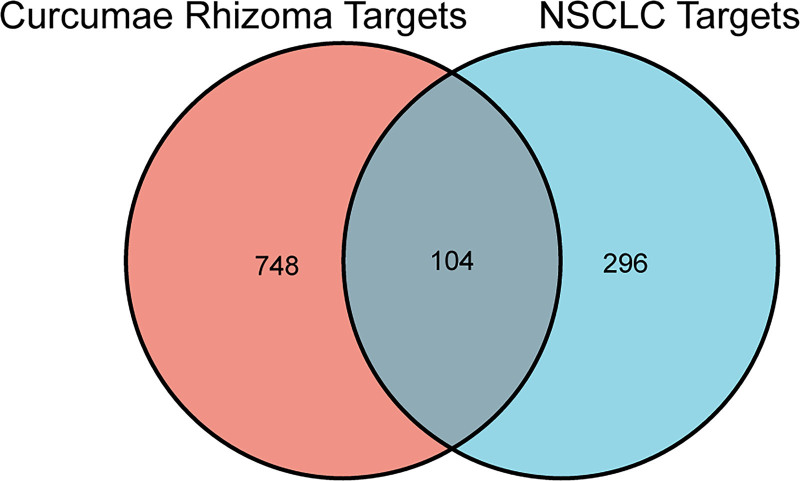
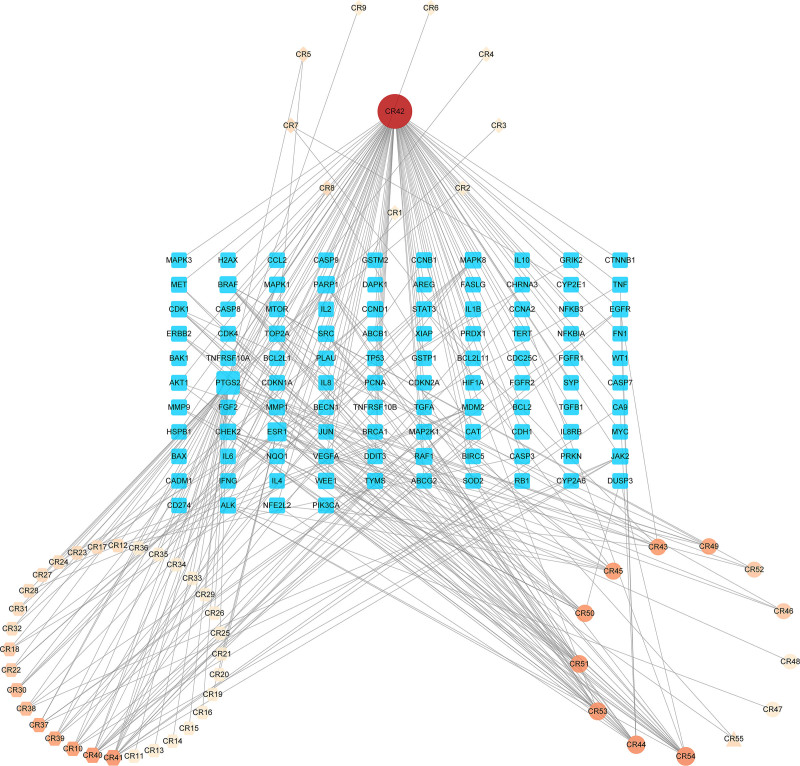
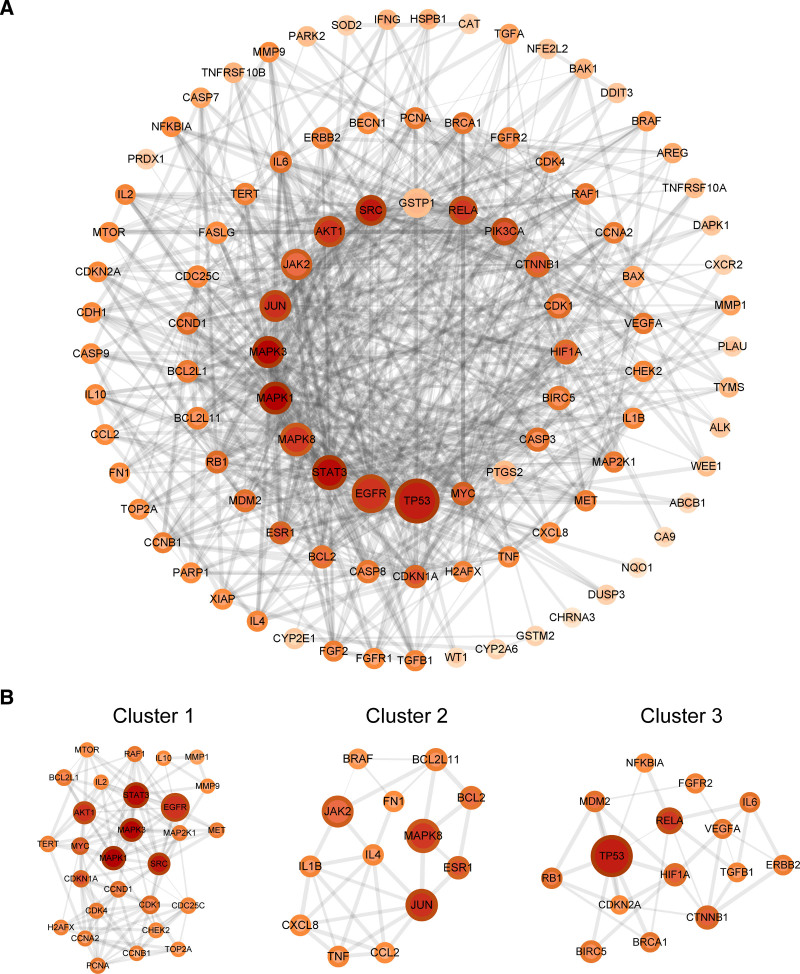
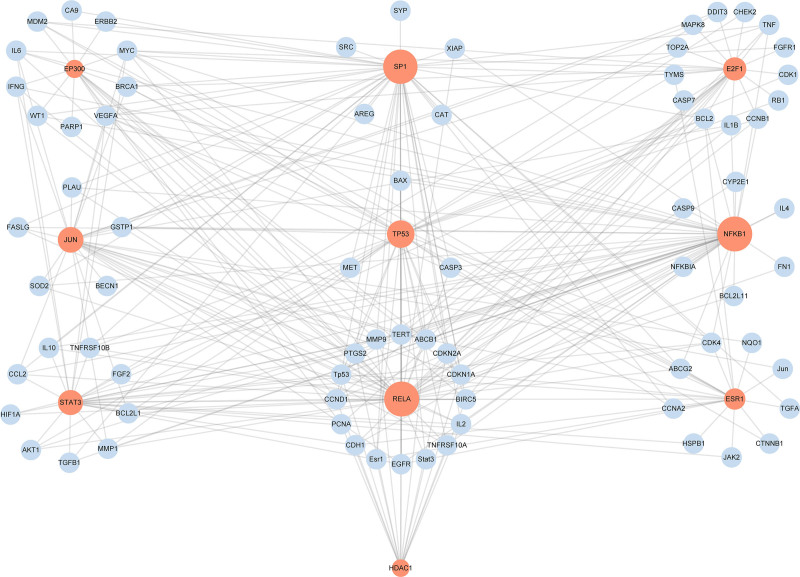
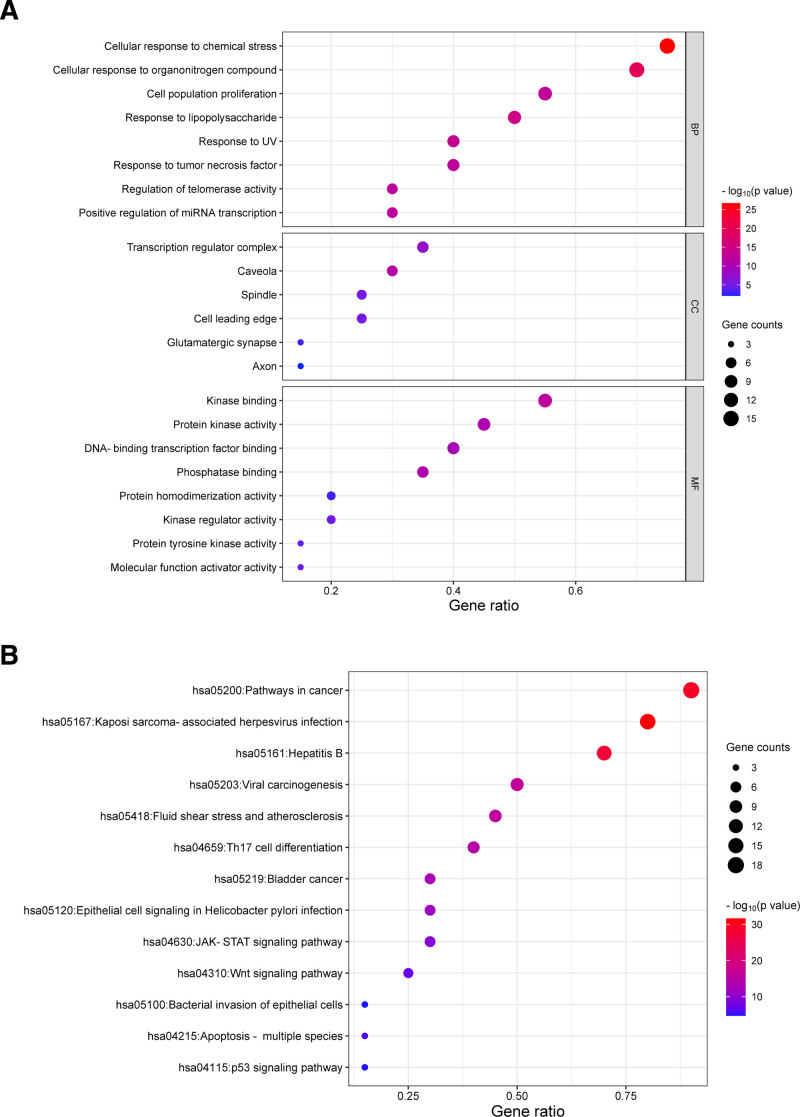
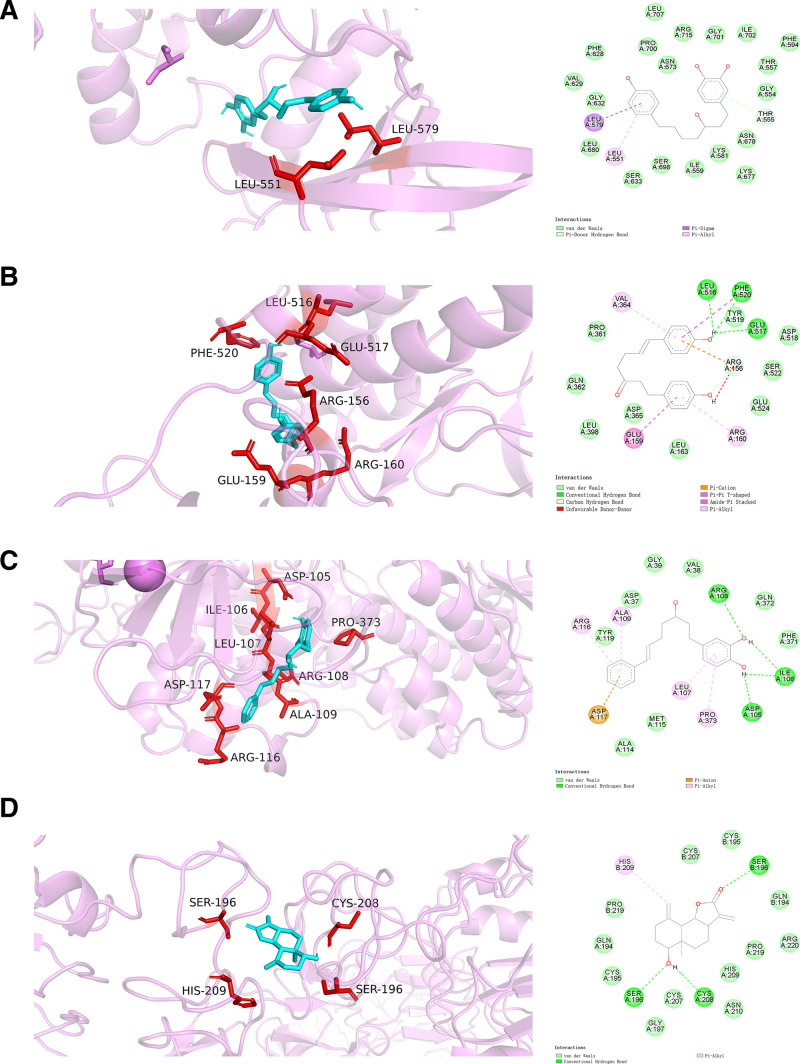
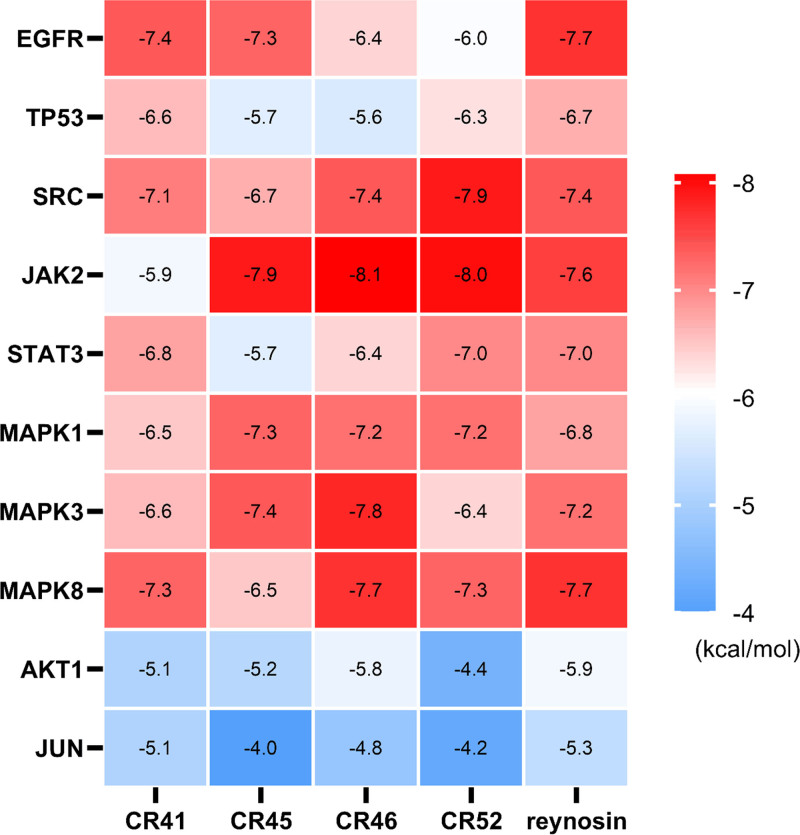
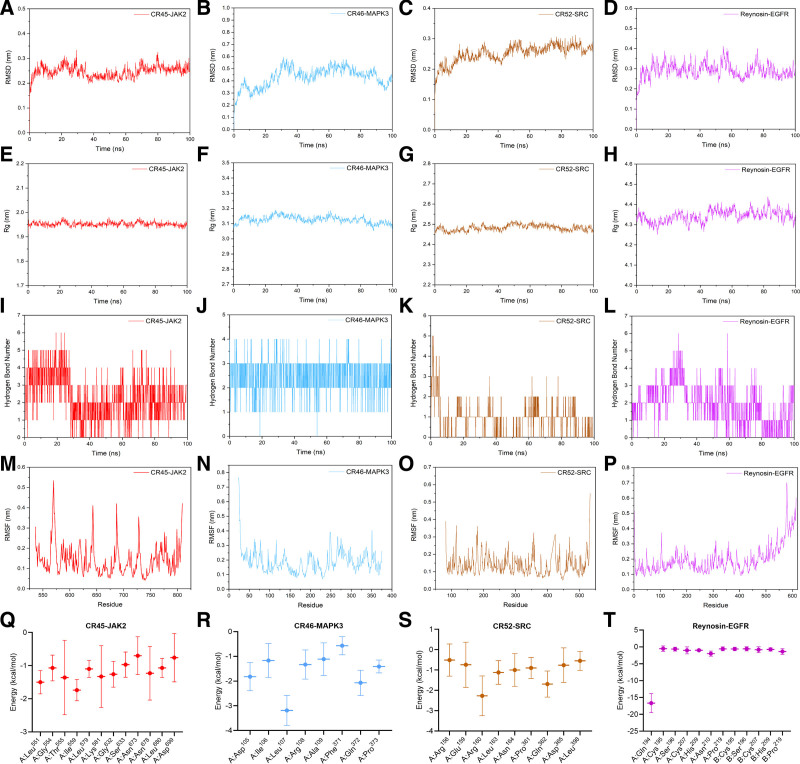
Non-small cell lung cancer (NSCLC) poses a significant threat to public health worldwide. Curcumae Rhizoma (CR) has potent therapeutic potential in different cancers. However, the mechanism of CR treating NSCLC remains unclear. In this study, a network pharmacology-based strategy is followed to address the issue. The targets related to CR or NSCLC were obtained from multiple online public databases. Compound-target network was constructed using Cytoscape. Protein-protein interaction (PPI) was analyzed by STRING. Key transcription factors were explored in TRRUST. Gene ontology (GO) function and Kyoto encyclopedia of genes and genomes (KEGG) pathway enrichment analysis were accomplished in Metascape. The druglikeness of compounds was tested in Molinspiration Cheminformatics Software. Autodock Vina was used for molecular docking. Molecular dynamic (MD) simulation was performed using Gromacs. There were 104 overlapped targets considered as key targets of CR treating NSCLC. The key components of CR, including reynosin, (4S,5S)-13-hydroxygermacrone 4,5-epoxide, and (E)-1,7-bis(4-hydroxyphenyl)-6-hepten-3-one, were screened by topological parameters and bioactivity scores. Central clustered targets in PPI network (epidermal growth factor receptor [EGFR], SRC, JAK2, and mitogen-activated protein kinase 3 [MAPK3]) were identified as critical therapeutic targets of CR. GO and KEGG enrichment analysis suggested that therapeutic effect of CR on NSCLC involved various biological processes, cellular components, and molecular functions, and pathways in cancer, JAK-STAT signaling pathway, and p53 signaling pathway were strongly related. Molecular docking and MD simulation suggested that key compounds in CR had high binding affinity to critical NSCLC targets, like EGFR, JAK2, SRC, and MAPK3, with stable complexes formed. This study revealed key components and mechanism of CR treating NSCLC based on a network pharmacology-driven strategy, providing a reference for in-depth study on treating NSCLC.
Keywords: bioactive compounds; network pharmacology; non-small cell lung cancer; underlying mechanism.
Copyright © 2025 the Author(s). Published by Wolters Kluwer Health, Inc.
Conflict of interest statement
The authors have no funding and conflicts of interest to disclose.
Figures
References
-
- AACR Cancer Progress Report 2022 Steering Committee. Cancer in 2022. Cancer Discov. 2022;12:2733–8. - PubMed
-
- Sung H, Ferlay J, Siegel RL, et al. . Global cancer statistics 2020: GLOBOCAN estimates of incidence and mortality worldwide for 36 cancers in 185 countries. CA Cancer J Clin. 2021;71:209–49. - PubMed
-
- Herbst RS, Morgensztern D, Boshoff C. The biology and management of non-small cell lung cancer. Nature. 2018;553:446–54. - PubMed
-
- Ettinger DS, Wood DE, Aisner DL, et al. . Non-small cell lung cancer, version 5.2017, NCCN clinical practice guidelines in oncology. J Natl Compr Canc Netw. 2017;15:504–35. - PubMed
MeSH terms
Substances
Grants and funding
LinkOut - more resources
Full Text Sources
Medical
Research Materials
Miscellaneous
