


Enhanced bioconversion of kitchen food waste into aquaculture feed using a mixed culture of Bacillus licheniformis and Yarrowia lipolytica
- PMID: 40355544
- PMCID: PMC12069639
- DOI: 10.1038/s41598-025-98265-9
Enhanced bioconversion of kitchen food waste into aquaculture feed using a mixed culture of Bacillus licheniformis and Yarrowia lipolytica
Abstract
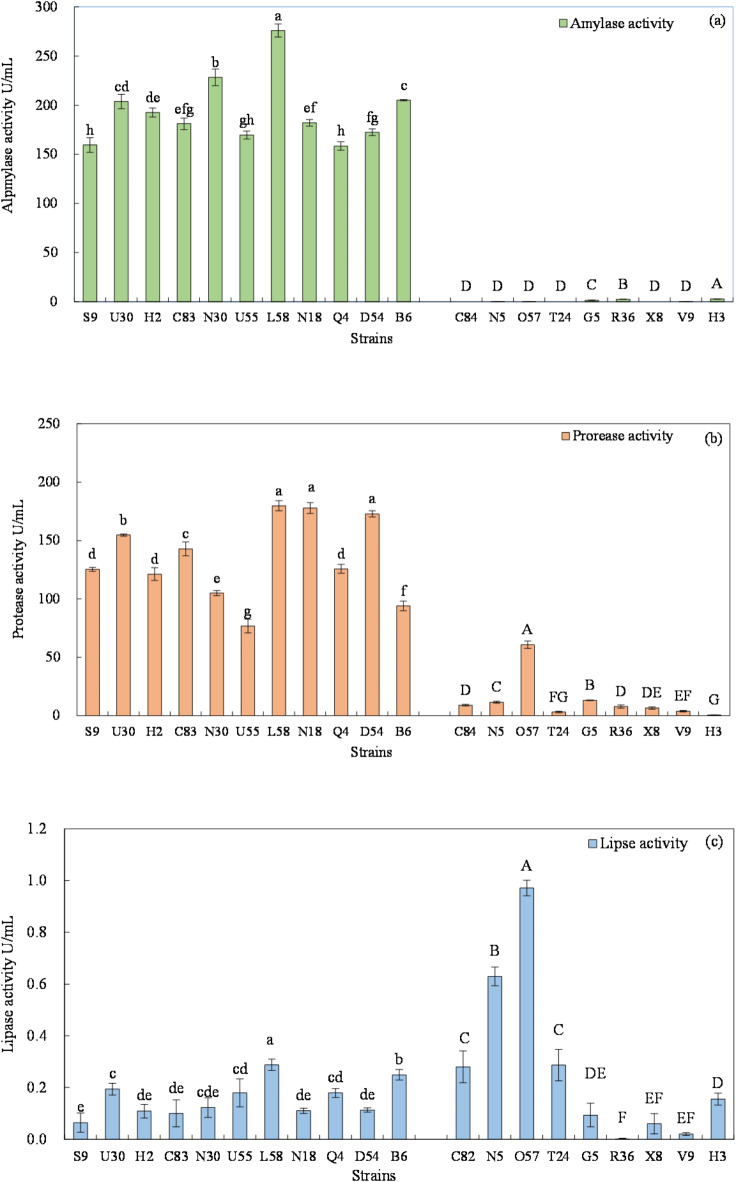
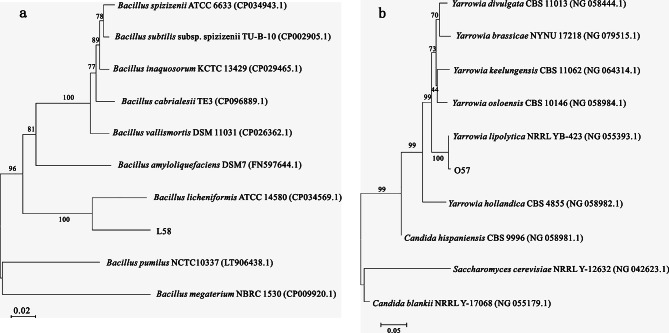
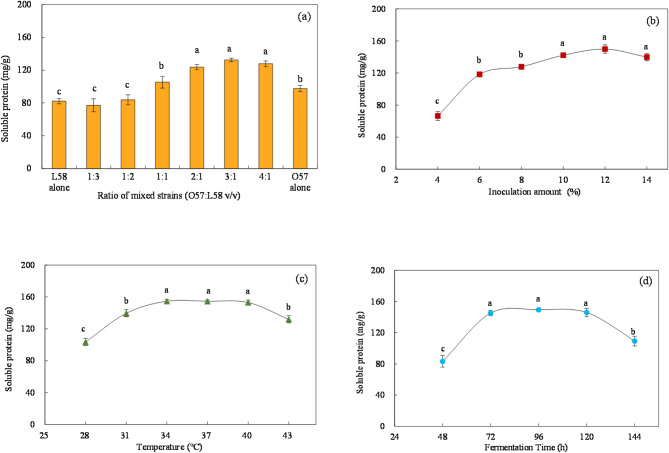
The increasing global population and urbanization have led to a rise in kitchen food waste (KW), posing significant environmental and economic challenges. Converting KW into fish feed offers a sustainable solution for managing KW. This study investigates the conversion of KW to aquatic feed via fermentation, and the innovative use of fermented kitchen waste (FKW) as an alternative protein source in aquaculture feed. Strains L58 and O57, identified as Bacillus licheniformis and Yarrowia lipolytica, were initially screened for high enzymatic activities and salt tolerance. A mixed-strain fermentation approach was employed, with process parameters optimized through central composite designs to maximize soluble protein yield. Fermentation significantly increased the contents of soluble protein, crude protein, and crude fat while reducing total carbohydrates and crude fiber. The total amino acid content increased by 45.5%, with significant gains in 19 amino acids. Feeding trials with juvenile yellow catfish demonstrated that replacing 15-30% of fish meal with FKW significantly improved growth performance, feed utilization, and enhanced the crude protein content in fish flesh. These findings indicate that co-fermenting KW with the two strains efficiently produces high-protein aquaculture feed, offering a sustainable alternative protein source that reduces reliance on fish meal and aids in waste management.
Keywords: Bacillus licheniformis; Yarrowia lipolytica; Fermented feed; Kitchen food waste; Mixed-strain fermentation; Waste management; Yellow catfish (Pelteobagrus fulvidraco).
© 2025. The Author(s).
Conflict of interest statement
Competing interests: The authors declare no competing interests.
Figures


References
-
- United Nations Environment, P. Food Waste Index Report 2024. Think Eat Save: Tracking Progress to Halve Global Food Waste (2024).
-
- Dawood, M. A. O. & Koshio, S. Application of fermentation strategy in Aquafeed for sustainable aquaculture. Reviews Aquaculture12, 987–1002. 10.1111/raq.12368 (2020). - DOI
-
- Tabbara, M., Monzer, S., Zein Eddine, R., Abiad, M. & Saoud, I. Bioprocessing post-consumer food waste for use as a fish feed ingredient. Aquac. Res.53, 2383–2391. 10.1111/are.15756 (2022). - DOI
MeSH terms
Substances
Grants and funding
LinkOut - more resources
Full Text Sources
