


Novel treatment approaches utilizing antibody-drug conjugates in breast cancer
- PMID: 40360516
- PMCID: PMC12075872
- DOI: 10.1038/s41523-025-00743-w
Novel treatment approaches utilizing antibody-drug conjugates in breast cancer
Abstract
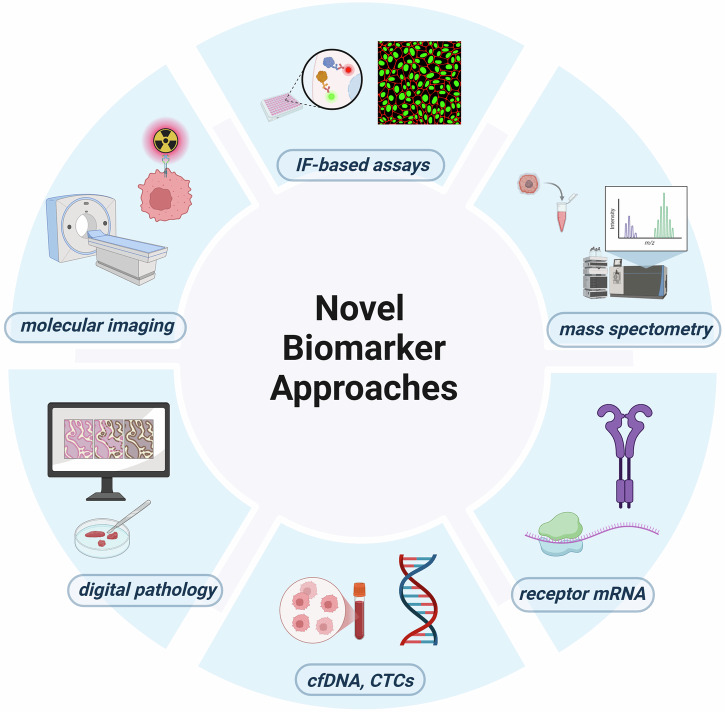
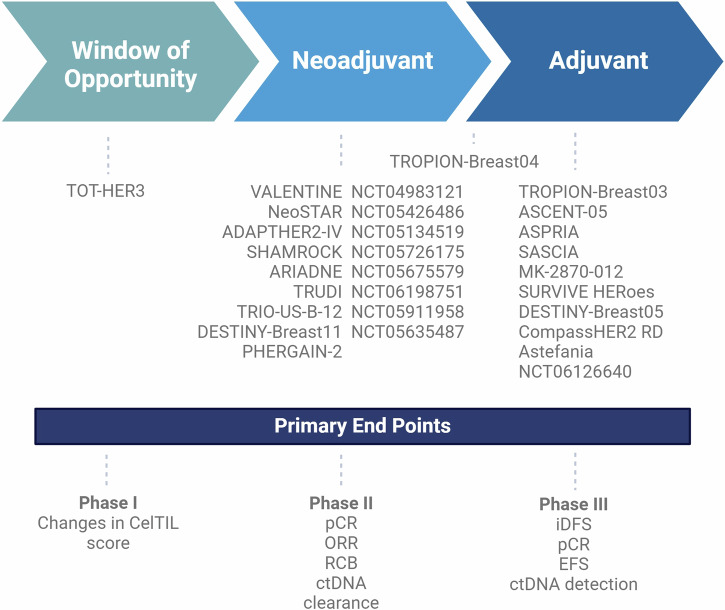
Antibody-drug conjugates (ADCs) are rapidly changing the way we treat patients with breast cancer. Despite this progress, many unanswered questions remain regarding the sequencing of different ADCs with similar payloads, optimal combinations, drug design strategies to limit off-target toxicities, biomarkers to define antigen positivity, and the use of ADCs in the neoadjuvant and adjuvant settings. In this review, we summarize novel ADC approaches in breast cancer treatment, including potential improvements in ADC payloads, linkers, targets, and drug delivery. We also evaluate novel strategies to combine ADCs with other agents, such as targeted drugs and immune checkpoint inhibitors. To improve patient selection, the development of quantitative biomarkers is reviewed, including HER2 mRNA, immunofluorescence-based assays, mass spectrometry, liquid biopsies, digital pathology, and molecular imaging-based approaches. Lastly, we evaluate the potential to incorporate ADCs into the early-stage setting, including evaluating currently published and ongoing clinical trials. This review highlights the potential for ADCs to shift the treatment paradigm in both the advanced and early-stage settings. We further demonstrate the complexity and challenges of improving ADCs to enhance targeting of tumor vulnerabilities while limiting toxicity through rationale drug development strategies to enhance the therapeutic window, linker technology, and payload variability to continue to improve outcomes for patients with breast cancer.
© 2025. The Author(s).
Conflict of interest statement
Competing interests: Davis A.A. reports receiving a grant from the Breast Cancer Alliance, travel expenses from DAVA Oncology, and participation in scientific advisory boards with Pfizer and Biotheranostics. Ma C.X. reports receiving funding from Pfizer and consulting fees from Eli Lilly, Pfizer, Stemline, AstraZeneca, Danatlas, Regor Therapeutics, Merck, Novartis, Daiichi, and Olaris. The other authors declare no conflicts of interest.
Figures
References
-
- Bardia, A. et al. Trastuzumab deruxtecan after endocrine therapy in metastatic breast cancer. N. Engl J. Med. 391, NEJMoa2407086. (2024) - PubMed
Publication types
LinkOut - more resources
Full Text Sources
Research Materials
Miscellaneous
