


Laboratory Findings and Clinical Features in IgA Vasculitis: Identifying Predictors of Kidney Involvement and Disease Relapse in Pediatric Patients
- PMID: 40364087
- PMCID: PMC12073035
- DOI: 10.3390/jcm14093055
Laboratory Findings and Clinical Features in IgA Vasculitis: Identifying Predictors of Kidney Involvement and Disease Relapse in Pediatric Patients
Abstract
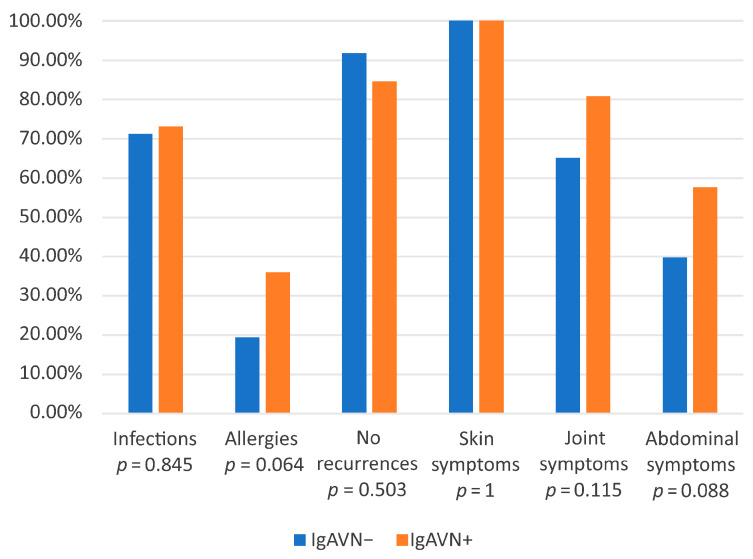
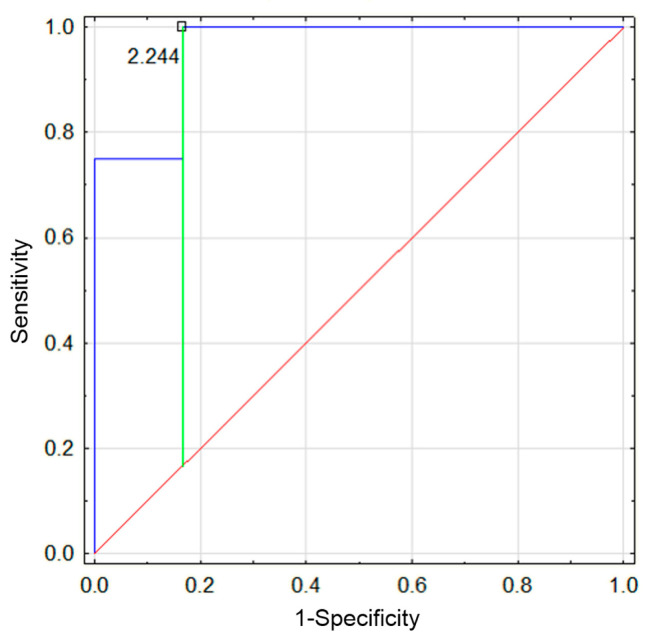
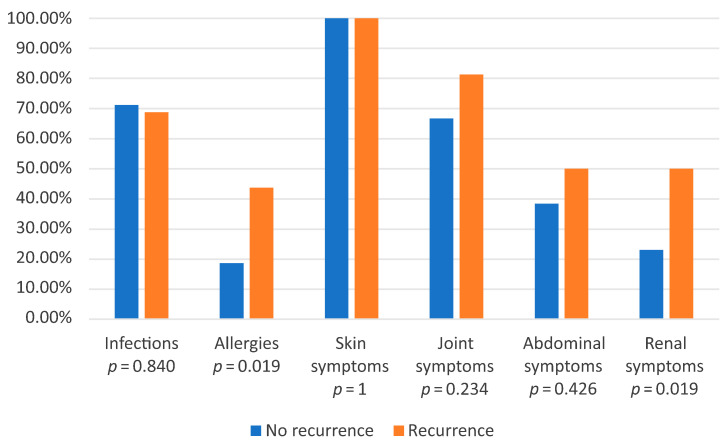
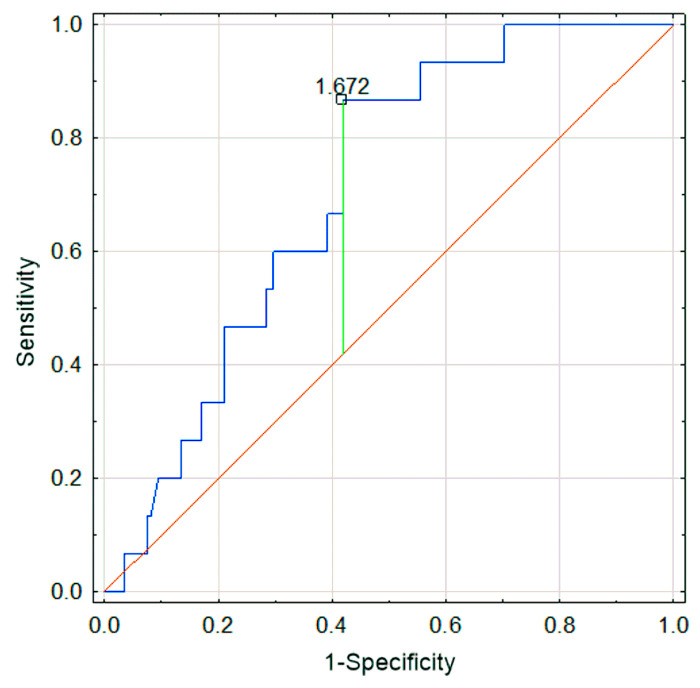
Objective: This study aimed to identify clinical and laboratory predictors of kidney involvement and disease relapse in pediatric patients with IgA vasculitis (Immunoglobulin A vasculitis, IgAV). Materials and Methods: A retrospective cohort study was conducted on 173 children diagnosed with IgAV at the Children's Clinical Hospital of the Medical University of Warsaw between 2018 and 2022. Patients were categorized into groups based on renal involvement (IgAVN+ vs. IgAVN-) and disease recurrence. The analysis included demographic data, clinical manifestations, allergy history, presence of infection, duration of hospitalization, relapse occurrence, the interval between the first and second hospitalization, and laboratory markers. Results: Renal involvement was observed in 42% of cases, while disease recurrence occurred in 9.25% of patients. IgAVN+ patients were older, had longer hospital stays, and more frequently exhibited gastrointestinal symptoms, consistent with previous research. A history of allergic conditions was more prevalent in both the IgAVN+ and recurrence groups. An increase in IgA levels over time was associated with a higher risk of nephropathic development. Patients with recurrences had higher IgM levels and an elevated neutrophil-to-lymphocyte ratio (NLR) (p = 0.07). In the ROC (Receiver Operating Characteristic) analysis, a cutoff value of 1.67 for NLR (AUC 0.71; p = 0.0002; sensitivity 0.87; specificity 0.58) was identified as a risk factor for disease recurrence. Conclusions: Older age at disease onset, gastrointestinal involvement, and allergies are associated with renal involvement in pediatric IgAV. Immune dysregulation, reflected by elevated NLR and IgM, may contribute to disease recurrence. It is important to monitor changes in IgA levels over time, as an increase in IgA concentration is a risk factor for the development of nephropathy. Additionally, calculating the NLR is recommended, as it may indicate the probability of disease recurrence.
Keywords: IgA vasculitis; IgA vasculitis nephritis; disease recurrence; pediatric nephrology.
Conflict of interest statement
The authors declare no conflicts of interest.
Figures
References
LinkOut - more resources
Full Text Sources
Miscellaneous
