


Acceptability of human papillomavirus self-sampling among women living with HIV in sub-Saharan Africa: A systematic review and meta-analysis
- PMID: 40367209
- PMCID: PMC12077793
- DOI: 10.1371/journal.pgph.0004605
Acceptability of human papillomavirus self-sampling among women living with HIV in sub-Saharan Africa: A systematic review and meta-analysis
Abstract
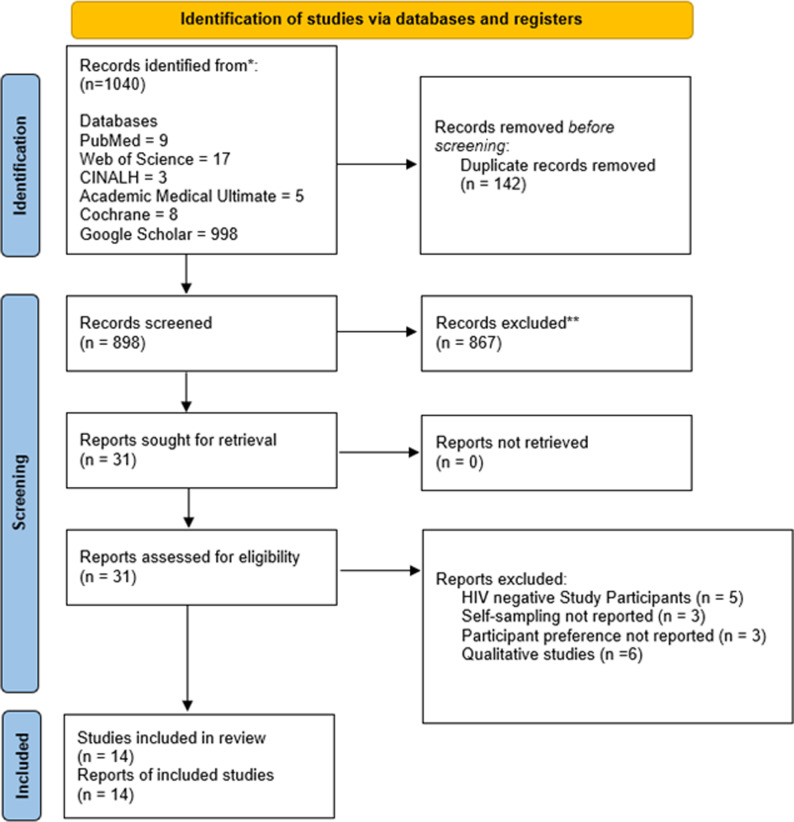
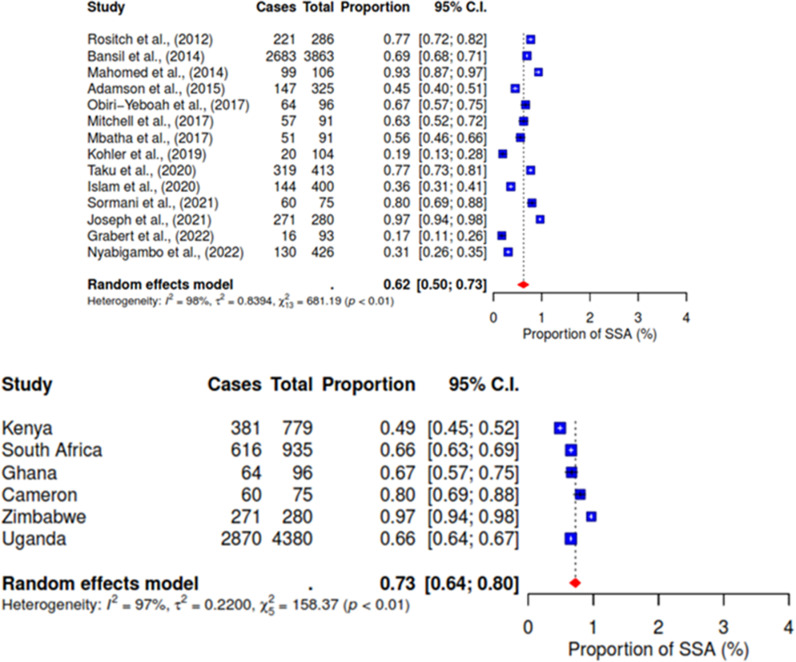
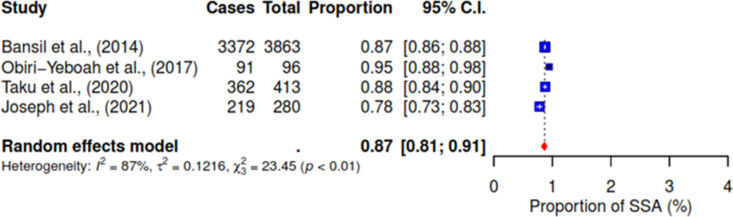
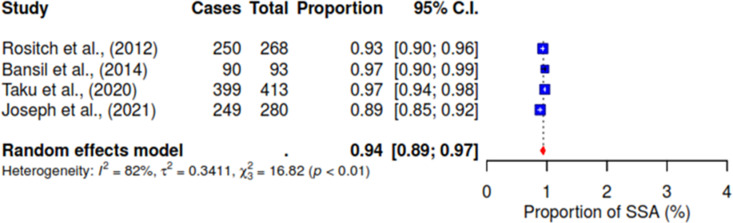
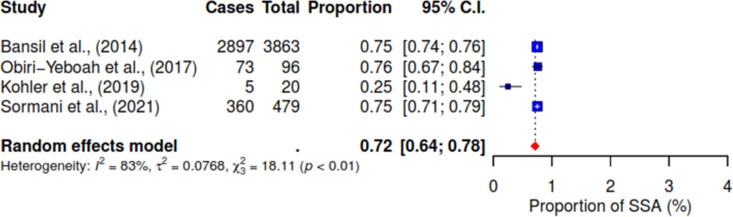
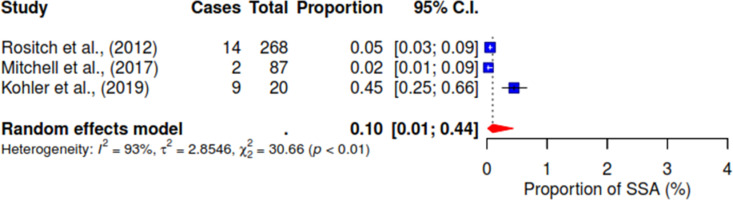
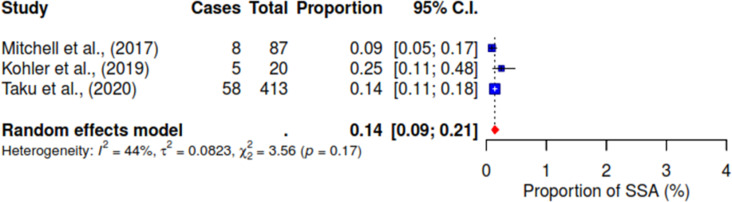
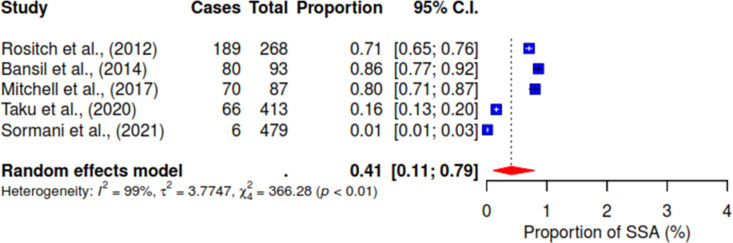
HPV self-sampling has the potential to improve early detection of cervical cancer among women living with HIV (WLHIV), but its acceptability varies, creating implementation challenges, especially in sub-Saharan Africa. This study aims to assess the acceptability of HPV self-sampling among WLHIV. We searched PubMed, Web of Science, CINAHL, Academic Medical Ultimate, Cochrane databases, and Google Scholar. The review protocol was registered with PROSPERO (CRD42022299781). Inclusion criteria were based on population, intervention, comparison, and outcome. Statistical analysis was done with R Studio version 4.3.2, and data abstraction was performed in Microsoft Excel. The analysis included 14 studies on the acceptability of HPV self-sampling among WLHIV. The overall acceptability rate was 73%. The pooled data showed that 94% felt comfortable with self-sampling, 72% found it easy to use, 10% reported pain, 14% felt embarrassed, and 41% felt confident about the process. The study found that a majority of WLHIV accepted HPV self-sampling, a higher rate than in the general female population. Many participants had concerns about the method's efficacy. This indicates that while WLHIV generally views self-sampling positively, additional education and support are needed to improve their confidence in its accuracy and reliability.
Copyright: © 2025 Abodunrin et al. This is an open access article distributed under the terms of the Creative Commons Attribution License, which permits unrestricted use, distribution, and reproduction in any medium, provided the original author and source are credited.
Conflict of interest statement
The authors have declared that no competing interests exist.
Figures
References
-
- World Health Organization (WHO). Cervical cancer [Internet]. Geneva: WHO; 2022. [cited 2025 Apr 14]. Available from: https://www.who.int/news-room/fact-sheets/detail/cervical-cancer
-
- Torre L, Bray F, Siegel R, Ferlay J, Lortet-Tieulent J, Jemal A. Global cancer statistics, 2012. CA Cancer J Clin. 2015;65(2):87–108. - PubMed
LinkOut - more resources
Full Text Sources