


A retrospective study to predict failure of high-flow oxygen therapy for acute hypoxic respiratory failure
- PMID: 40375069
- PMCID: PMC12079891
- DOI: 10.1186/s12245-025-00891-7
A retrospective study to predict failure of high-flow oxygen therapy for acute hypoxic respiratory failure
Abstract
Objective: This study aimed to analyze the characteristics of patients who fail high-flow nasal cannula(HFNC) therapy for acute hypoxemic respiratory failure(AHRF) and to identify predictors of treatment failure.
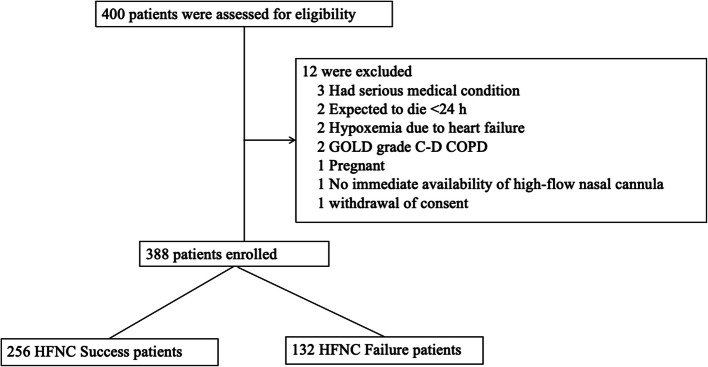
Methods: This single-center, retrospective, observational study analyzed clinical data from 388 patients with AHRF. Patients were divided into two groups: the HFNC success group (HFNC-S, n = 256) and the HFNC failure group (HFNC-F, n = 132). The primary endpoint was the need for escalation of respiratory support to tracheal intubation in the enrolled patients. The demographic data, laboratory tests, blood gas analysis data, CT severity scores, and disease severity scores were analysed to determine the difference between patients who were successful and those who failed HFNC treatment. Univariate and multivariate logistic regression models were used to assess potential predictors of failure of HFNC for patients with acute hypoxaemic respiratory failure.
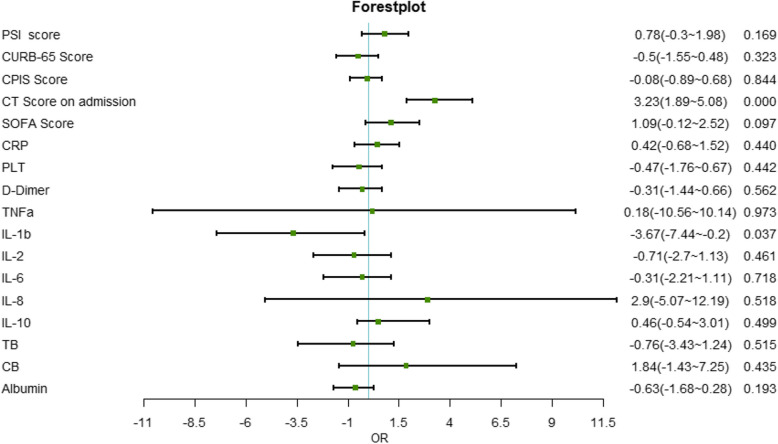
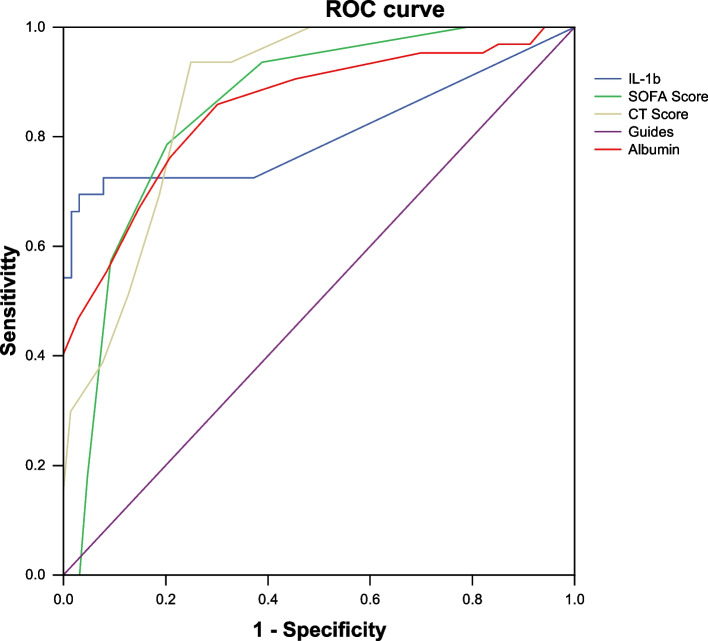
Results: The mean age of patients enrolled was 67.97 ± 14.40 years. The HFNC-F group had significantly higher PSI(Pneumonia Severity Index) score, CURB(Confusion, Urea, Respiratory Rate, Blood Pressure, and Age)-65 score, CPIS(Clinical Pulmonary Infection Score) score, CT score and SOFA(Sequential Organ Failure Assessment) scores compared to the HFNC-S group. Within 12 h of the initiation of treatment, the HFNC-F group exhibited significantly lower oxygen saturation index (PaO2/FiO2) and significantly higher respiratory rate. Additionally, the HFNC-F group exhibited significantly higher levels of C-reactive protein (CRP), platelet count (PLT), D-dimer, interleukin-10 (IL-10), total bilirubin (TB) and creatinine (CB), but lower albumin levels. Multivariate analysis identified CT score, SOFA score, interleukin-1β (IL-1β), and albumin as independent predictors of HFNC failure.
Conclusion: HFNC is effective for treating AHRF. CT score, SOFA score, IL-1β, and albumin are independent predictors of HFNC failure.
Keywords: A retrospective study; Acute hypoxic respiratory failure; Failure of high-flow oxygen therapy.
© 2025. The Author(s).
Conflict of interest statement
Declarations. Ethics approval and consent to participate: This study was approved by the Fudan University Ethics Committee of Zhongshan Hospital Fudan University (B2023-508R). All methods were performed in accordance with the relevant guidelines and regulations. Consent for publication: Not applicable. Competing interests: The authors declare no competing interests.
Figures
References
LinkOut - more resources
Full Text Sources
Research Materials
Miscellaneous
