


Nursing regulation in Canada: Insights from a scoping review
- PMID: 40378384
- PMCID: PMC12084052
- DOI: 10.1371/journal.pone.0323716
Nursing regulation in Canada: Insights from a scoping review
Abstract
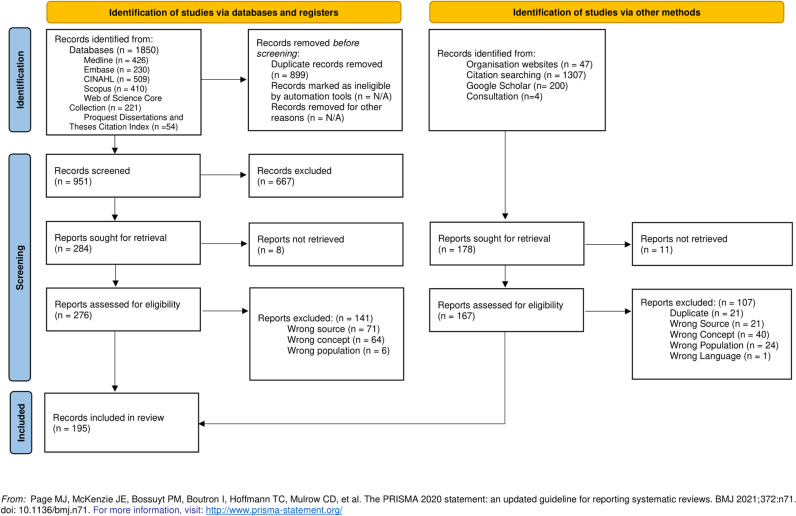
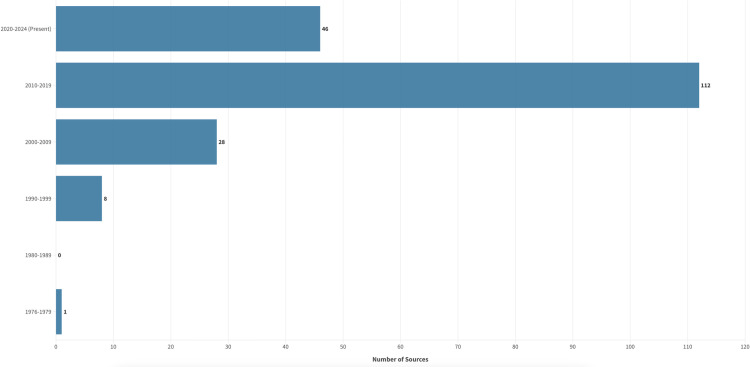
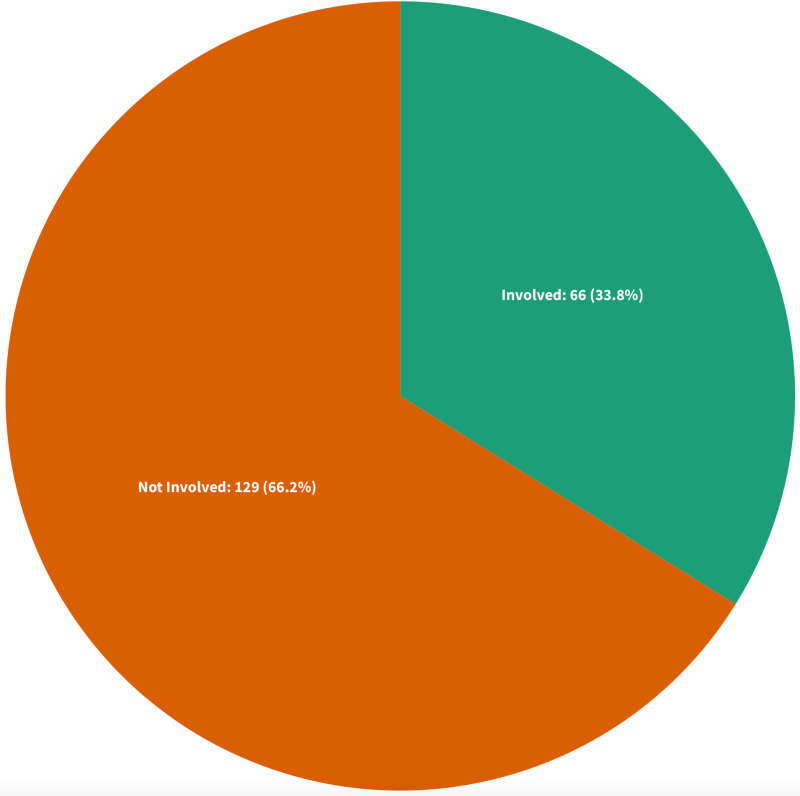
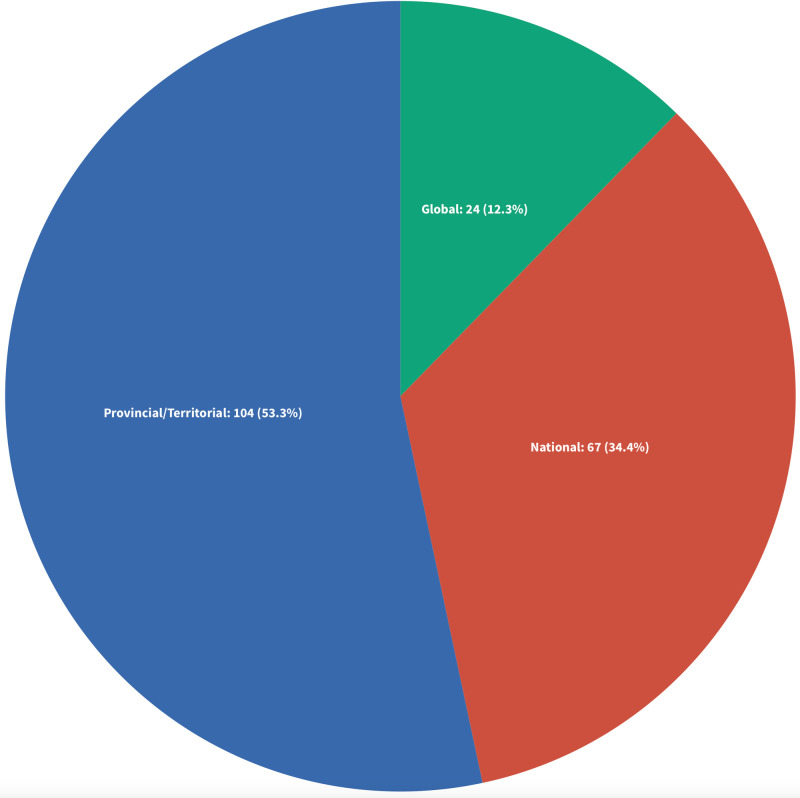
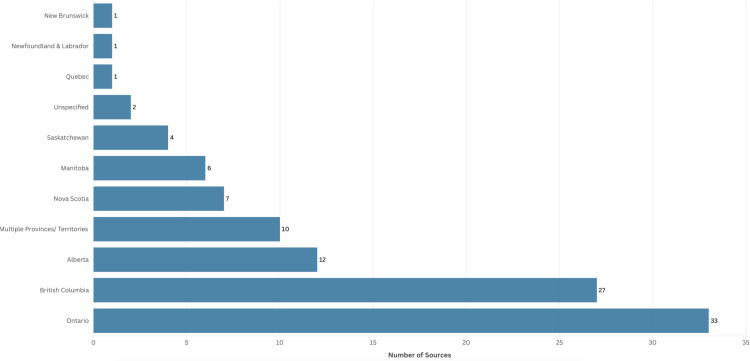
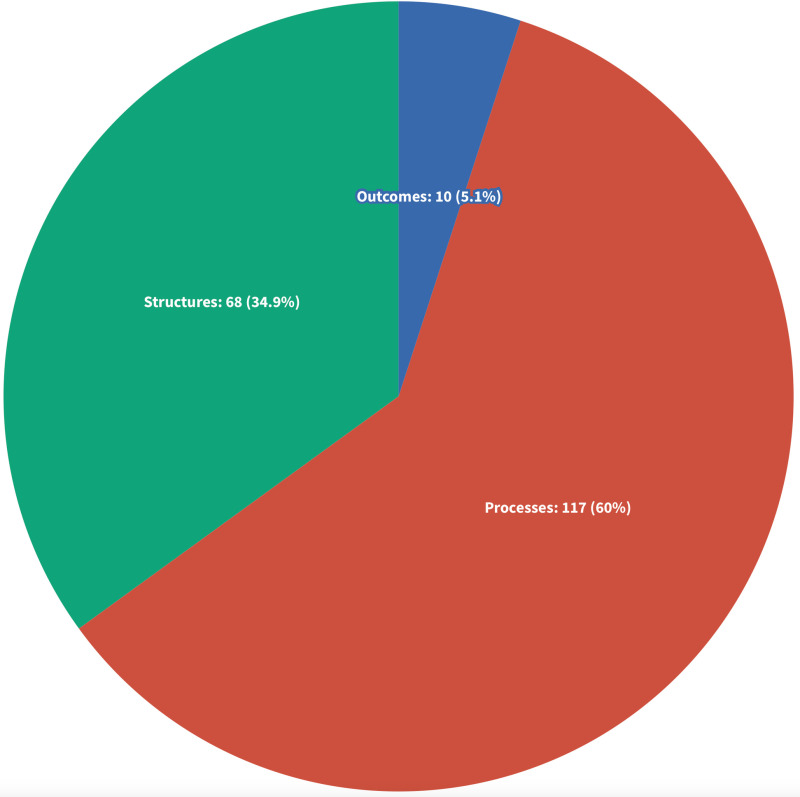
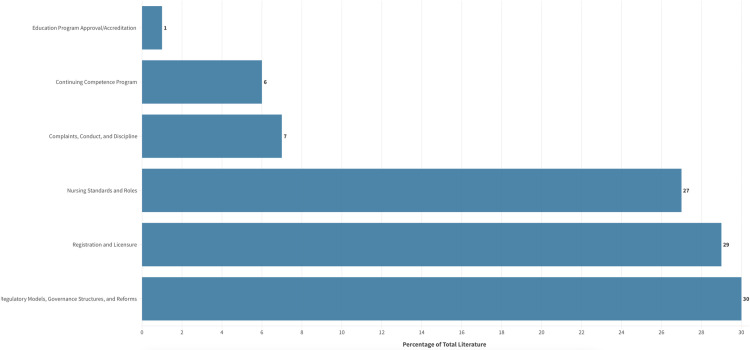
Canadian nursing regulators have implemented various innovations to reform regulatory approaches to address workforce challenges, system demands, governance reforms, and a drive for efficiency. Given the significant role that regulators play in influencing patient safety, workforce, and health system outcomes, decision-making must be evidence-informed. This review examined the nature, extent, and range of literature related to nursing regulation in Canada and how the existing scholarship aligns with emerging regulatory and health system trends to inform the development of a research agenda. The review was conducted following the JBI methodology for scoping reviews and with the support of a medical research librarian. A total of 195 sources, including scholarly (n = 156, 80%) and grey literature sources (n = 39, 20%), were included and reviewed. Just over half of the included scholarly sources were empirical studies (n = 80, 51.3%). The number of publications has steadily increased over the last few decades, and the majority of sources were situated in a provincial/territorial context (n = 104, 53.3%), followed by the national (n = 67, 34.4%) and global context (n = 24, 12.3%). The majority of the literature was led by scholars or professional groups unaffiliated with nursing regulators (n = 129, 66.2%). In contrast, nursing regulators led, commissioned, or were involved in a smaller portion of sources (n = 66, 33.8%). The largest category of literature focused on regulatory models, governance structures, and reforms (n = 59, 30.3%); followed by registration and licensure (n = 57, 29.2%); nursing roles and standards (n = 53, 27.2%); conduct, complaints, and discipline (n = 13, 6.7%); continuing competence programs (n = 11, 5.7%); and education program approval/accreditation (n = 2, 1%). The current literature base related to nursing regulation in Canada is largely descriptive and non-empirical and may not provide sufficient evidence to inform regulatory decision-making. This highlights opportunities for regulators and researchers to enhance collaboration to co-create research agendas that can maximize knowledge development and mobilization efforts.
Copyright: © 2025 Chiu et al. This is an open access article distributed under the terms of the Creative Commons Attribution License, which permits unrestricted use, distribution, and reproduction in any medium, provided the original author and source are credited.
Conflict of interest statement
The authors have declared that no competing interests exist.
Figures
Similar articles
-
Nursing Regulation Literature in Canada: Protocol for a Scoping Review.JMIR Res Protoc. 2024 Jul 26;13:e56163. doi: 10.2196/56163. JMIR Res Protoc. 2024. PMID: 39059008 Free PMC article.
-
Beyond the black stump: rapid reviews of health research issues affecting regional, rural and remote Australia.Med J Aust. 2020 Dec;213 Suppl 11:S3-S32.e1. doi: 10.5694/mja2.50881. Med J Aust. 2020. PMID: 33314144
-
The Experience and Effectiveness of Nurse Practitioners in Orthopaedic Settings: A Comprehensive Systematic Review.JBI Libr Syst Rev. 2012;10(42 Suppl):1-22. doi: 10.11124/jbisrir-2012-249. JBI Libr Syst Rev. 2012. PMID: 27820153
-
Global status of chiropractic education research and scholarly publications: a scoping review.JBI Evid Synth. 2025 Apr 1;23(4):638-703. doi: 10.11124/JBIES-24-00122. Epub 2025 Feb 7. JBI Evid Synth. 2025. PMID: 39918018 Free PMC article.
-
Optimization of home care nurses in Canada: A scoping review.Health Soc Care Community. 2019 Sep;27(5):e604-e621. doi: 10.1111/hsc.12797. Epub 2019 Jun 24. Health Soc Care Community. 2019. PMID: 31231890 Free PMC article.
References
-
- Adams TL. Professional self-regulation and the public interest in Canada. P&P [Internet]. 2016. [cited 2024 Oct 9];6(3). Available from: https://journals.oslomet.no/index.php/pp/article/view/1587
-
- Almost J. Regulated nursing in Canada: the landscape in 2021 [Internet]. Canadian Nurses Association; 2021. [cited 2024 May 7]. Available from: https://www.cna-aiic.ca/en/nursing/regulated-nursing-in-canada
-
- Registered Psychiatric Nurse Regulators of Canada. Mobility and assessment of Canadian and internationally educated registered psychiatric nurses [Internet]. 2015. Apr [cited 2024 May 7]. Available from: https://www.rpnc.ca/sites/default/files/resources/pdfs/RPNRC-prjct-rpt-F...
-
- Adams TL. Drivers of regulatory reform in Canadian health professions: Institutional isomorphism in a shifting social context. J Prof Org. 2022;9(3):318–32. doi: 10.1093/jpo/joac018 - DOI
Publication types
MeSH terms
LinkOut - more resources
Full Text Sources
