Hematomyelia after epidural anesthesia: a rare complication with putative multifactorial and occult etiology
- PMID: 40384194
- PMCID: PMC12236289
- DOI: 10.47162/RJME.66.1.07
Hematomyelia after epidural anesthesia: a rare complication with putative multifactorial and occult etiology
Abstract
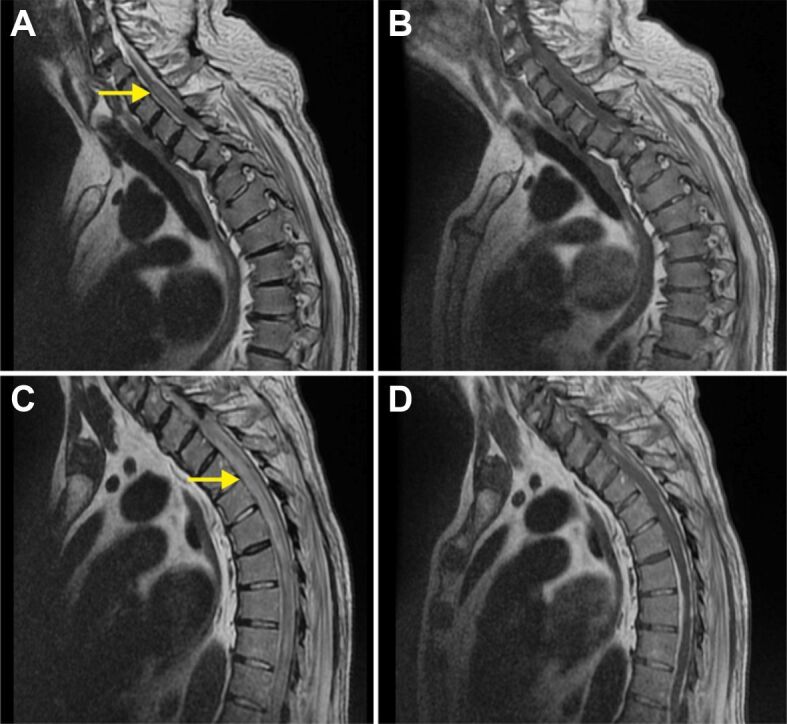
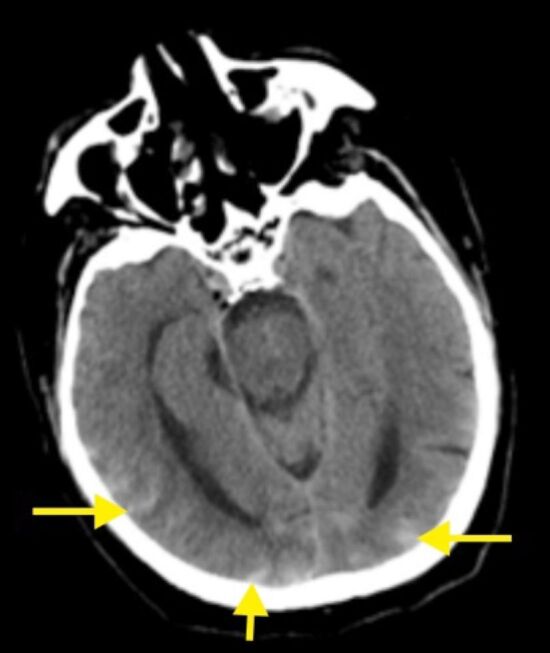
Subarachnoid hemorrhage (SAH) and spinal hematomas are considered serious but rare complications of spinal pathology. They occur after spinal anesthesia, especially in patients with risk factors such as autoimmune diseases, blood coagulation pathology, anticoagulant treatment, vascular malformations, intramedullary or spinal cord tumors, or can be multifactorial. Usually, anticoagulant therapy represents an additional factor regarding spinal SAH (SSAH) or spinal hematomas. None of the direct oral anticoagulants has a higher chance of producing a spinal hemorrhage. The diagnosis can be established based on the clinical picture of SSAH or myelopathy syndrome, completed with magnetic resonance imaging (MRI). In this study, we present the latest data from the literature regarding SSAH and hematomas and compare them with the data of a 77-year-old man with a history of atrial fibrillation, on oral anticoagulant treatment, who developed a SSAH and spinal hematoma after elective surgery for an inguinal hernia.
Keywords: hematomyelia; regional anesthesia; subdural hematoma.
Conflict of interest statement
The authors declare that they have no conflict of interests.
Figures
References
Publication types
MeSH terms
LinkOut - more resources
Full Text Sources